US And Iran Agree Memorandum To End War, Reopen Strait Of Hormuz, Remove Naval Blockade
Key Takeaways
- Memorandum to end the war and reopen the Strait of Hormuz.
- Pakistan's prime minister Shehbaz Sharif mediated the US-Iran agreement.
- Exact terms, including sanctions relief, have not been publicly disclosed.
Deal ends war, reopens Hormuz
The United States and Iran agreed on a memorandum of understanding to end their war, with US President Donald Trump saying the Strait of Hormuz would reopen and the US naval blockade of Iranian ports would be removed.
The deal is expected to halt the US blockade of Iran, reopen the Strait of Hormuz, and begin 60 days of talks on Tehran’s nuclear program, with Pakistan’s Prime Minister Shehbaz Sharif acting as mediator and saying the pact called for “the immediate and permanent termination of military operations on all fronts, including in Lebanon.”

Iran’s deputy foreign minister Kazem Gharibabadi said the sides agreed to the “immediate and permanent end of the war and all military operations on various fronts, including Lebanon,” according to one of Tehran’s diplomatic missions.
The agreement is set to be signed on Friday in Switzerland, and the BBC reported that the pact would extend a ceasefire for another 60 days while the sides negotiate details of a final agreement.
The Vox framing challenged the idea that the war is truly over, arguing that the deal succeeded only in “reopening a strait that wasn’t closed before the war” and that the agreement “leaves so many issues unresolved.”
Competing interpretations and threats
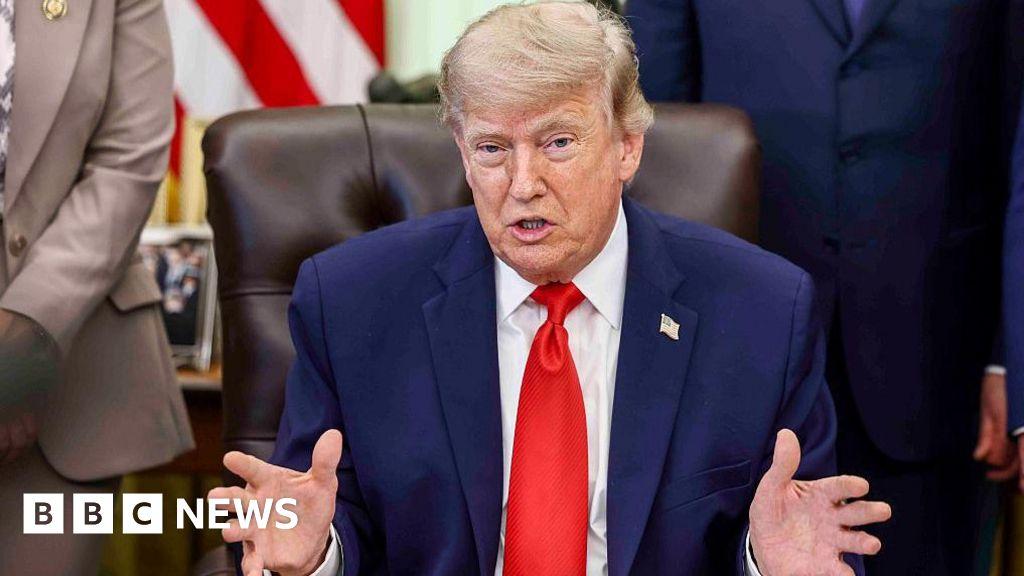
Trump posted on Truth Social that “Ships of the world, start your engines. Let the oil flow!” and said he had authorized the immediate removal of the United States Naval blockade, while the BBC reported that he told French President Emmanuel Macron on Monday that “I am very happy to say: it's signed, the deal is all signed.”
The Times of Israel reported that Trump reportedly threatened that attacks on Iran could resume if the sides ultimately fail to reach a nuclear accord, and it also said it was unclear whether the US would back continued IDF operations in Lebanon after the deal.
Israeli officials pushed back on the agreement, with Defence Minister Israel Katz pledging that if Iran attacked Israel due to events in Lebanon, it would strike “with full force,” and with far-right National Security Minister Itamar Ben Gvir writing on X that “Trump's agreement does not bind us.”
In parallel, Iran’s deputy foreign minister Kazem Gharibabadi confirmed the end of military operations in a phone call on Iranian state TV, and the BBC added that Iran’s top military command, Khatam al-Anbiya Central Headquarters, said Iranians and Tehran’s proxies and allies had shown the US and Israel they had “no option but to accept defeat and surrender.”
The Vox critique highlighted a dispute over Hormuz transit, saying Iran’s state media claims Tehran plans to implement fees on transit through the Strait of Hormuz that would contradict Trump’s claim that the waterway would be “permanently toll free.”
What’s at stake next
The Council on Foreign Relations said the agreement’s initial focus is reopening the Strait of Hormuz and ending military attacks, with both sides then beginning “sixty days of negotiations about sanctions and Iran’s nuclear program.”
CFR also reported that the administration indicated the memo would be released after a public signing ceremony in Geneva attended by Vice President JD Vance, Middle East special envoy Steve Witkoff, and Jared Kushner, while it quoted Steven Cook warning that “Negotiations on the outstanding issues, especially on Iran’s nuclear program, will be long and difficult.”
The Times of Israel said the reported elements of the deal do not achieve the goals set out by the US and Israel, including eliminating Iran’s nuclear program and ending its support for terror proxies, while it added that the precise terms were not immediately known.
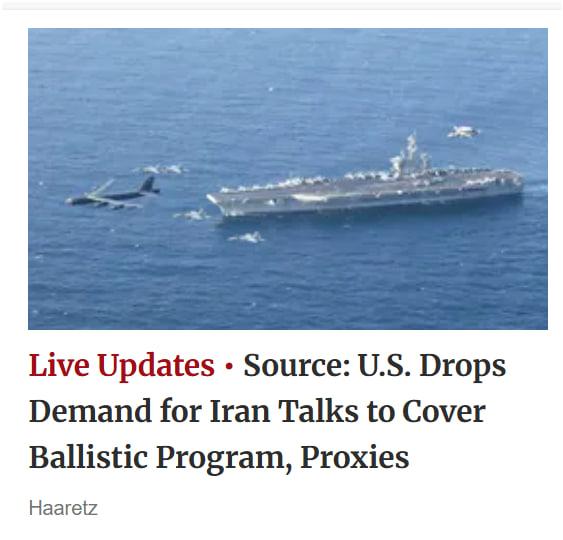
Haaretz, citing reports by Channel 12 and Saudi outlet Al Arabiya, said the memorandum of understanding stipulates Tehran will maintain the status quo in its nuclear program as long as negotiations on a final agreement continue and includes a pledge to end all sanctions on Tehran.
Meanwhile, the BBC reported that the shipping channel had been effectively closed by Iran since the war began on 28 February, driving up fuel prices worldwide, and it said the strait would be opened when the initial agreement is signed, with an official signing ceremony later this week in Geneva.
More on Iran

Purported U.S.-Iran Memorandum Of Understanding Circulates, Including Lebanon War End And Strait Reopening
12 sources compared

JD Vance Says Trump Could Give Iran Access To $300 Billion Reconstruction Fund
23 sources compared

Trump Says US-Iran Deal Is Signed, Reopens Strait of Hormuz by Friday
15 sources compared
Trump, Iran Sign Initial Deal To End War, Reopen Strait Of Hormuz
12 sources compared