
Ceasefire in US-Iran War Frays: Iran Accuses US of Violations as Bombing Intensifies
Key Takeaways
- U.S. and Iran agreed to a two-week ceasefire; Islamabad to host talks.
- Iran accuses the U.S. of violating parts of the ceasefire framework.
- Hormuz transit open if ships coordinate with Iran; White House says it will stay open.
Ceasefire Agreement
The United States and Iran agreed to a two-week ceasefire just hours before Trump’s deadline for reopening the Strait of Hormuz.
Iran’s parliamentary speaker accused the US of violating three of Tehran’s 10 conditions for a ceasefire.

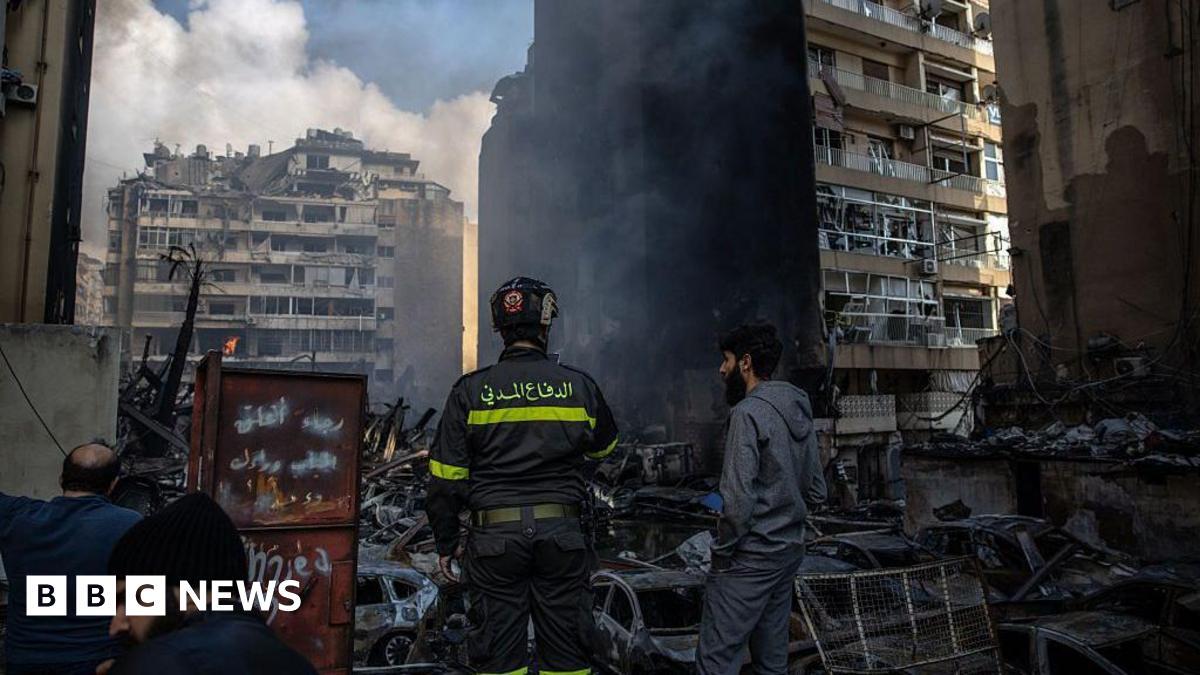
The Red Cross said it was outraged by the devastating death and destruction in Lebanon.
Israel continued strikes that killed at least 254 people in Lebanon.
Strait of Hormuz and Lebanon
The IRGC announced alternative transit routes citing the risk of sea mines.
Iran closed the Strait of Hormuz in response to Israeli attacks on Lebanon.

Netanyahu said the ceasefire does not cover fighting Hezbollah in Lebanon.
Israel struck dense commercial and residential areas of Beirut without warning.
Diplomatic Efforts Face Obstacle
Pakistan said the ceasefire covered Lebanon, a claim disputed by the White House.
Vice President Vance said the ceasefire extending to Lebanon was never part of the agreement.
Trump was clearly disappointed in NATO allies.
China quietly pushed Tehran toward a ceasefire.
Human Cost and Market Reaction
Over 1,500 had been killed in Lebanon, 23 in Israel.
Nearly 3,400 were killed across Iran including more than 1,600 civilians.
Oil prices dropped and stock markets rallied on the ceasefire.
Uncertainty about the ceasefire's durability remained.
More on Iran

FTSE 100 Surges 3% on US-Iran Ceasefire; Oil Prices Plunge 15%
46 sources compared
Ceasefire Between US and Iran Collapses as Israel Bombs Lebanon, Straits Close
14 sources compared

US-Iran Two-Week Ceasefire Reached, Trump Declares Total Victory
28 sources compared

Shippers Demand Clarity as Hormuz Transit Resumes Cautiously
26 sources compared