
U.S. And Iran Agree To Stop Strikes, Hold Strait Of Hormuz Talks In Doha
Key Takeaways
- U.S. and Iran agreed to halt strikes and hold talks in Qatar this week.
- Talks aim to de-escalate tensions in the Strait of Hormuz after weekend clashes.
- Iran denies direct Doha talks, while U.S. officials push for negotiations.
Ceasefire, talks, and Hormuz
The United States and Iran agreed to stop attacking each other, with a senior U.S. official telling Axios, "We decided to stop all the kinetic activity," as the two sides planned talks this week in Qatar's capital, Doha, to work out their dispute over the Strait of Hormuz.
Axios reported that a second U.S. official said both sides would stand down "for now" and that "vessels can move freely" as technical talks were set to continue.

Iran’s deputy foreign minister Kazem Gharibabadi said the first Joint Hormuz Committee meeting took place in Muscat, while he also said reports of technical talks in Doha were "not confirmed."
Euronews said the framework agreement was signed on 17 June by U.S. President Donald Trump while dining with French President Emmanuel Macron at the Palace of Versailles, and by Iranian President Masoud Pezeshkian in Tehran.
The dispute has been tied to competing interpretations of the memorandum of understanding, including Iran’s commitment to make its best efforts to allow safe passage of commercial vessels through the strait and the U.S. lifting its blockade of Iranian ports.
Conflicting claims on Doha
Iran’s Foreign Ministry said on Monday that an Iranian delegation would visit Doha to follow up on the implementation of the memorandum of understanding, while stressing that they would not meet with the Americans at any level for negotiations in the coming days, denying what President Donald Trump said.
The Al Jazeera net account said Iran’s Deputy Foreign Minister Kazem Gharib Abadi, according to state television, described circulating information about technical working-group meetings as untrue and said there are no technical meetings of working groups planned for this week.

In response, Trump posted on Truth Social that "IRAN HAS REQUESTED A MEETING. IT WILL TAKE PLACE TOMORROW IN DOHA!" as the U.S. prepared to send envoys Steve Weitkov and Jared Kushner to Qatar.
WRAL quoted a senior Iranian negotiator, Kazem Gharibabadi, posting on X that "The situation is sensitive and complex," while also quoting the U.S. position that the Strait of Hormuz is open for shipping.
WRAL also cited the Iranian Foreign Minister Abbas Araghchi saying, "Any attempt to establish new or separate arrangements from those currently being carried out by the Islamic Republic of Iran" would increase delays and tensions.
What’s at stake next
The CBS News live updates framed the immediate stakes around whether the Strait of Hormuz would return to prewar conditions, quoting Carnegie Endowment senior fellow Aaron David Miller saying, "we are not going back to Feb. 27, where the straits were free and unfettered."
“What to know about the Iran war today: - Iran's Foreign Ministry denied Monday that its negotiators would be meeting with U”
Miller said Iran has "their hands all over them," and CBS News reported that he described the geography as leverage as the U.S. and Iran continued to test the fragile ceasefire.
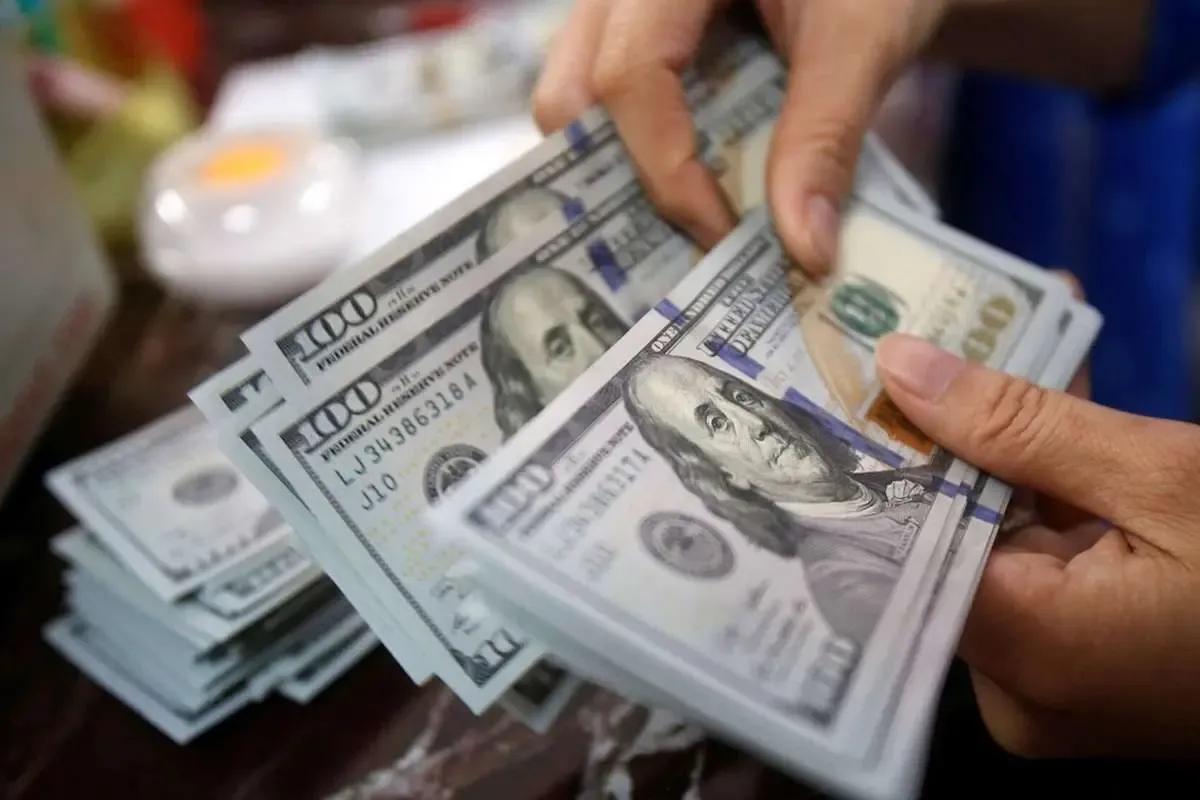
CBS News also reported that Iran’s president said Monday the country is set to receive $6 billion in frozen assets currently held in Qatar, and that the unfreezing of Iran’s financial assets is one of the conditions in the memorandum of understanding.
DW reported that Trump told reporters in the Oval Office the Qatar meeting would be "perhaps important, perhaps not," and that he said, "We're going to find out."
DW also said Iran’s deputy foreign minister Kazem Gharibabadi stated on X that Iran alone will undertake removing mines from the Strait of Hormuz in line with the U.S.-Iran memorandum of understanding, while advising France against complicating it with its "provocations."
More on Iran
Trump, Iran Pause Strikes as Delegations Head to Qatar for Talks
11 sources compared
Trump Announces U.S.-Iran Doha Meeting After Days of Hostilities Threatened MoU Talks
24 sources compared
.jpg&w=3840&q=75)
Donald Trump Says U.S. and Iran Will Meet in Doha Tuesday After Days of Strikes
33 sources compared

Iran’s Islamic Revolutionary Guard Corps Launches Drone And Missile Attacks On Bahrain And Kuwait
38 sources compared