
U.S. and Iran Agree On Two-Week Ceasefire; Strait of Hormuz to Reopen
Key Takeaways
- Two-week US-Iran ceasefire agreed, halting major hostilities during talks.
- Strait of Hormuz traffic permitted during the halt, subject to agreement.
- Ceasefire described as conditional, dependent on good-faith negotiations and compliance.
Ceasefire Agreement
The United States and Iran agreed on a temporary two-week ceasefire after more than five weeks of conflict.
Pakistan played a central role in brokering the deal.

The agreement calls for the reopening of the Strait of Hormuz, though Iran indicated it would manage the reopening and could charge transit fees.
The ceasefire covers all fronts including Lebanon, despite Israel's initial resistance.
Trump described the outcome as a complete and total victory, while Iran framed it as a triumph of resilience.
Contradictions and Challenges
Despite the formal ceasefire, contradictions and challenges emerged immediately.
Israel continued strikes in Lebanon, with Trump stating these were not included in the agreement.

Iran stopped oil tanker traffic through the Strait of Hormuz after Israel attacked Lebanon.
Attacks continued on oil facilities across the region.
The Pakistani prime minister warned these incidents undermine the spirit of the peace process.
Underlying Fault Lines
Fundamental issues underlying the conflict remained unresolved.
Iran's 10-point peace plan included demands the US has historically rejected.
Analysts warned this was a fragile truce in a war fought over contradictory objectives.
Trump and Araghchi both framed the ceasefire in terms of victory and resilience.
More on Iran
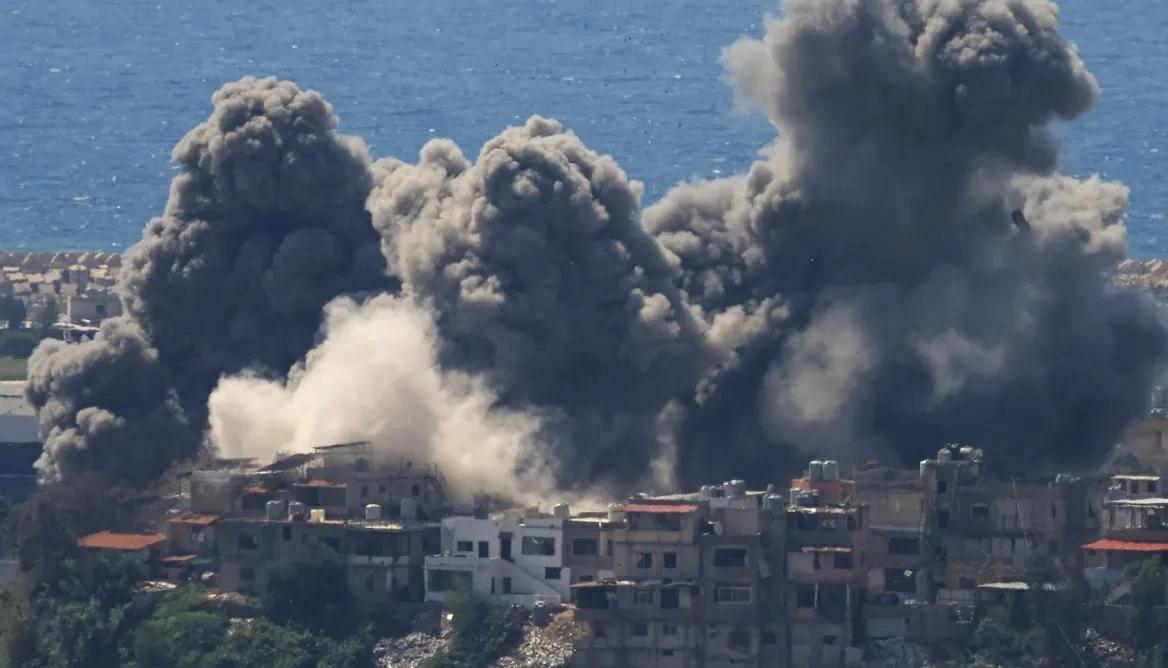
Truce Frays as Trump Excludes Lebanon, Israel Bombs Beirut
34 sources compared
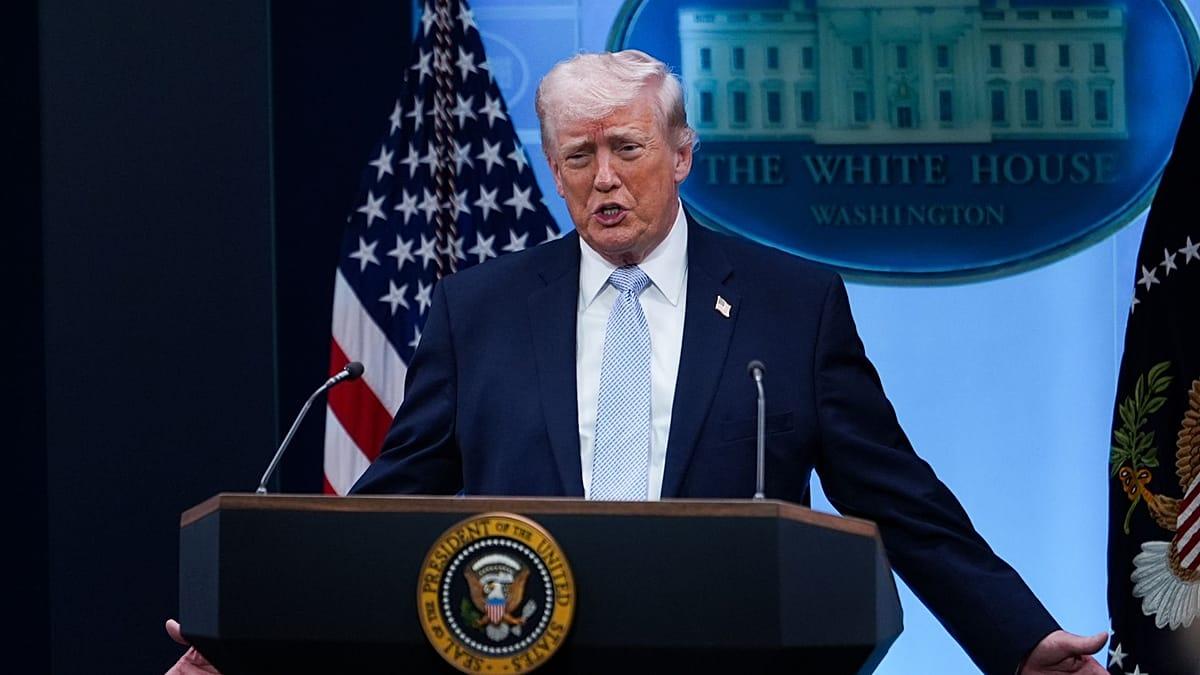
US and Iran Agree Two-Week Ceasefire; Strait of Hormuz Reopens
75 sources compared

AOC Demands Trump Removal, Urges Troops to Refuse Illegal Orders
12 sources compared
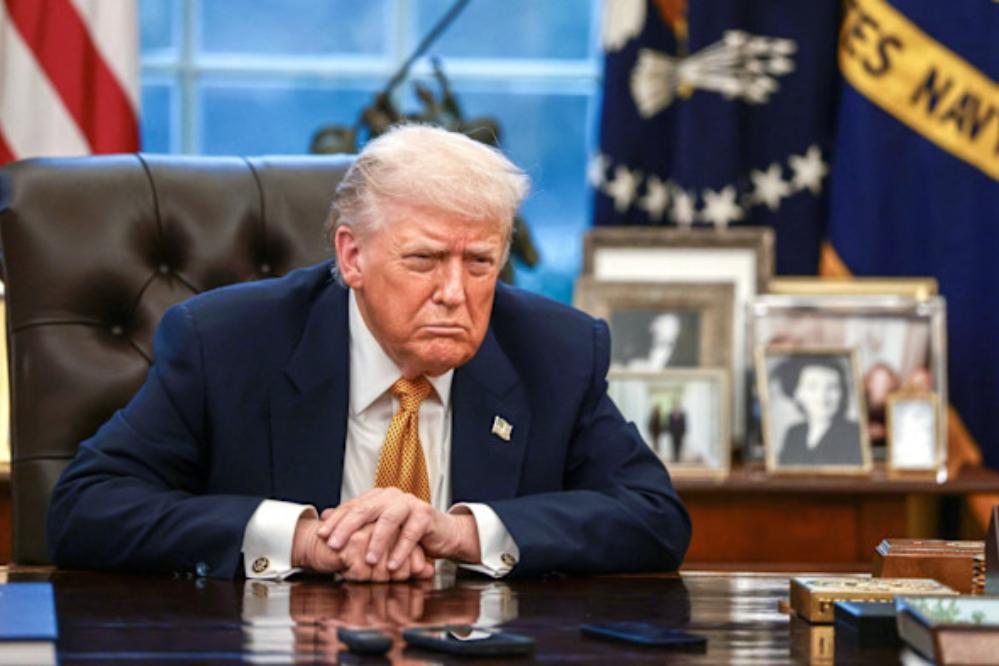
Trump and Khamenei's Two-Week Iran Ceasefire Nears Collapse Amid Shifting Alliances
25 sources compared