
US and Iran Begin Direct Peace Talks in Pakistan to End Conflict
Key Takeaways
- US and Iran began direct peace talks in Islamabad, mediated by Pakistan.
- US delegation led by Vice President JD Vance; Kushner and Steve Witkoff attending.
- Aim to convert two-week ceasefire into lasting peace, reopen Strait of Hormuz for shipping.
Historic US-Iran Talks
The United States and Iran began direct peace talks in Islamabad on April 11, mediated by Pakistan.
Vice President JD Vance led the American delegation, while Iran was represented by Parliament Speaker Mohammad Bagher Ghalibaf and Foreign Minister Abbas Araghchi.
The talks came after a fragile two-week ceasefire and were described by Pakistani Prime Minister Shehbaz Sharif as make or break.
The negotiations aimed to turn the ceasefire into a lasting peace, addressing core issues including Iran's control of the Strait of Hormuz.
Trump announced the US was starting the process of clearing out the Strait of Hormuz as a favor to Countries all over the World.
Core Issues and Divergent Demands
Iran demanded an end to economic sanctions, the release of $6 billion in frozen assets, and guarantees around its nuclear program.
Iran's 10-point proposal explicitly called for a halt to Israeli strikes on Hezbollah.

The United States submitted a 15-point proposal that included restricting Iran's nuclear program and reopening the strait.
Israeli and Lebanese representatives were expected to meet in Washington next week.
Trump warned Iran not to try to play us, while Iranian Foreign Minister Araghchi said Tehran was entering negotiations with deep distrust.
Strait of Hormuz and Economic Stakes
Iran entered the talks holding leverage it had managed to wield at no other time: control over the Strait of Hormuz.
Iran effectively blocked the strait days after the war began, restricting ship traffic and charging fees of up to $2 million per ship.
Trump announced the US was starting to clear the strait, but only a handful of ships had transited since the ceasefire.
The blockage caused a spike in global energy prices, with Brent Crude surging from about $72 to almost $120 per barrel.
Prices dropped to just under $100 on April 10 after the ceasefire agreement.
Reactions and Regional Dynamics
The talks unfolded amid continued Israeli strikes in Lebanon.
The Israel Defense Forces claimed to have hit more than 200 Hezbollah targets in the past 24 hours.

Iran's network of regional allies and proxies has given Tehran regional clout.
The Israeli-Lebanese front remained a major sticking point.
The war had killed at least 3,000 people in Iran, 1,953 in Lebanon, 23 in Israel, and 13 US service members.
More on Iran

US Vice President Vance Leads Historic Peace Talks With Iran In Pakistan
30 sources compared

Pakistan Deploys JF-17 And F-16 Fighters To Escort Iranian Delegation For US-Iran Peace Talks
10 sources compared
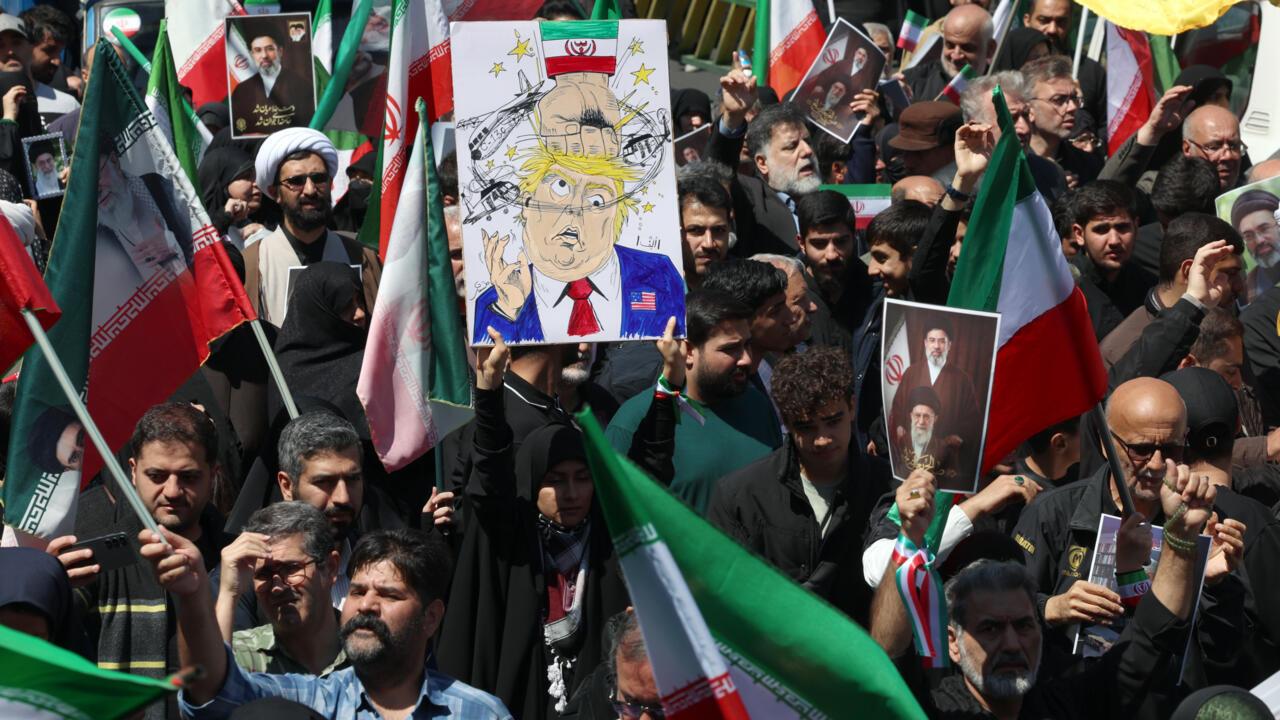
Iran Demands Lebanon Ceasefire And Frozen Assets Release Before US Talks
15 sources compared

US And Iran Begin Direct Peace Talks In Pakistan To End War
19 sources compared