
US And Iran Begin Peace Talks Amid Lebanon Ceasefire Dispute And Hormuz Closure
Key Takeaways
- Direct U.S.-Iran talks underway in Pakistan to reinforce a fragile ceasefire.
- Israeli strikes in Lebanon killed over 300 people.
- Iran links Lebanon ceasefire to asset release and Hormuz closure before talks.
Pakistan Talks Begin
The United States and Iran commenced direct peace talks in Islamabad on April 11, 2026.
Vice President JD Vance led the American delegation and Iranian parliamentary Speaker Mohammad Bagher Qalibaf headed the Iranian team.
Israel and Hezbollah continue exchanging fire in southern Lebanon.
Iran insists that Lebanon must be included in the ceasefire, while the U.S. and Israel maintain it is separate.
The Strait of Hormuz remains effectively closed, with Iran demanding control and the right to collect transit fees.
Lebanon Ceasefire Dispute
The inclusion of Lebanon in the ceasefire emerged as a central and contentious issue.
Iran demanded a full ceasefire in Lebanon before talks could proceed.
Israeli Prime Minister Netanyahu insisted there is no ceasefire in Lebanon.
The Lebanese government has no direct control over Hezbollah.
Iran's President Pezeshkian called Israeli strikes a clear violation of the ceasefire.
Hormuz Control and Economic Impact
The Strait of Hormuz remained a critical sticking point.
Iran demanded acknowledgment of its authority over the strait and the right to collect transit fees.
The U.S. insisted the waterway must remain open without restrictions.
Traffic through the strait showed minimal recovery since the truce began.
The disruption contributed to sustained oil prices around $95 per barrel.
Nuclear and Sanctions
Iran's nuclear program and sanctions relief emerged as additional hurdles.
Iran sought permission to continue enriching uranium, a demand Washington ruled out.

Trump said his top priority was to ensure Tehran could not have a nuclear weapon.
Iran demanded the release of blocked assets estimated at about $6 billion.
The White House dismissed reports that the U.S. had agreed to release Iran's frozen assets.
More on Other

Israel Agrees to Lebanon Talks While Continuing Attacks on Hezbollah
31 sources compared
OIC Condemns Israel for Approving 34 New West Bank Settlements as War Crimes
11 sources compared
OIC Condemns Israel's Approval of 34 New West Bank Settlements
10 sources compared
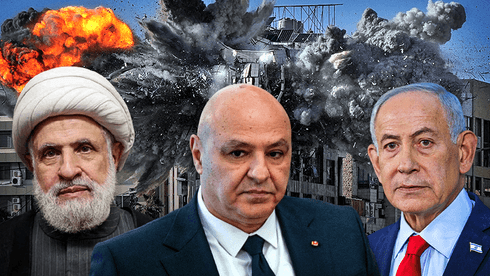
Netanyahu Orders Direct Talks With Lebanon to Disarm Hezbollah Amid Ongoing Strikes
14 sources compared