JD Vance Leads Historic US-Iran Ceasefire Talks in Pakistan Amid Hormuz Tensions
Key Takeaways
- Vice President JD Vance led direct U.S.-Iran talks in Islamabad with Iranian delegates.
- The talks aim to end the war and stabilize a fragile ceasefire.
- Key issues on the table include uranium enrichment and Strait of Hormuz.
Historic Talks
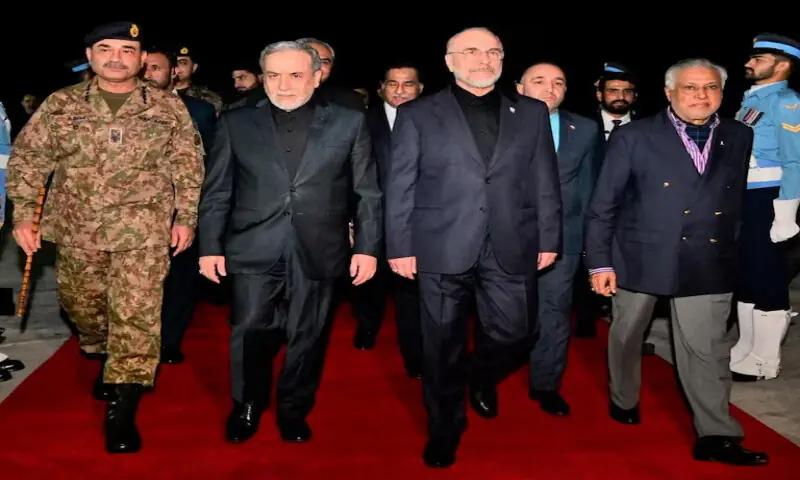
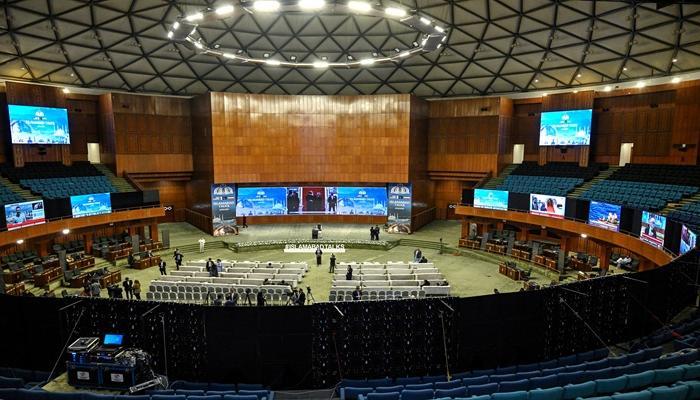
The United States and Iran engaged in historic face-to-face negotiations in Islamabad, marking the highest-level direct talks since 1979.
Vice President JD Vance led the American delegation alongside Witkoff and Kushner.
Iran was represented by Parliament Speaker Ghalibaf and Foreign Minister Araghchi.
The talks stretched into the early morning hours after starting on Saturday afternoon.
Vance warned Iran against manipulating America; Ghalibaf said Iran came with good faith but did not trust the other side.
The talks aimed to cement a ceasefire and address control of the Strait of Hormuz.
Strait of Hormuz
Control of the Strait of Hormuz emerged as a major sticking point.
The U.S. began mine-clearing operations after two Navy destroyers transited the strait.

Iran's Revolutionary Guard threatened to deal severely with any military vessels transiting the waterway.
Iran insisted on continued control over the strait as part of any deal.
The closure of the strait had disrupted roughly 20% of global oil and gas trade.
Trump told reporters it makes no difference to me whether a deal is reached.
Divergent Death Tolls
The war's human toll remained staggering and contested.
HRANA estimated nearly 3,400 people killed across the region.
Lebanon's health ministry reported 2,020 killed in the Israel-Hezbollah conflict.
The death toll in Israel stood at 23.
The American death toll had risen to 13 service members.
More than a million people were displaced in Lebanon.
Reactions and Challenges
Reactions to the talks were mixed and fraught.
Iranian Foreign Minister Araghchi emphasized a complete lack of trust.

Israeli Prime Minister Netanyahu said any peace must include dismantling Hezbollah's weapons.
The Pope issued a sweeping call for peace.
Skepticism ran high given how the war began.
The talks represented a dramatic pivot but faced deep obstacles.
Vance's Role
Vance's role was seen as both a signal of seriousness and a gamble.
Axios described it as going to the Super Bowl for Vance.
MS NOW noted the role could be a poisoned chalice.
The talks featured Vance meeting Ghalibaf, a former Revolutionary Guard commander.
The talks were mediated by Pakistan.
Regional players including China, Egypt, Saudi Arabia, and Qatar were involved.
More on USA

US Navy Clears Iranian Mines From Strait of Hormuz Using Destroyers
13 sources compared
Manhattan DA Investigates Rep. Eric Swalwell for Raping Former Staffer
33 sources compared

US Navy Destroyers Begin Mine-Clearing in Strait of Hormuz After Iran Offensive
36 sources compared

Melania Trump Denies Ties To Jeffrey Epstein In Rare White House Statement
15 sources compared