U.S. And Iran Hold Historic Peace Talks In Islamabad Led By Vance And Ghalibaf
Key Takeaways
- Iranian delegation arrives in Islamabad for peace talks.
- U.S. Vice President JD Vance heads to Islamabad for peace talks.
- Ceasefire fragility and Lebanon-Hormuz disputes shape negotiations.
Historic Talks
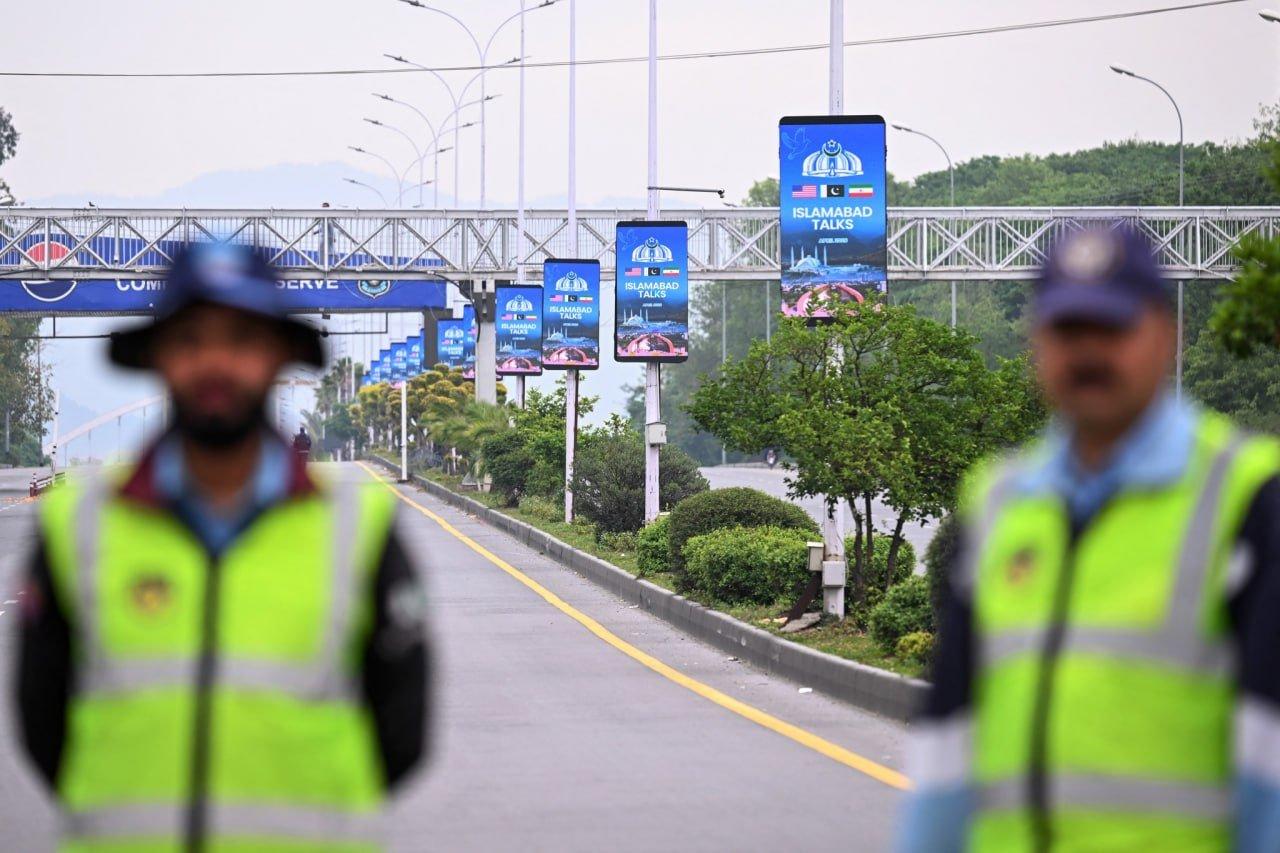
The United States and Iran engaged in historic peace talks in Islamabad, marking the highest-level face-to-face talks since 1979.
Vice President JD Vance led the U.S. delegation; Iran's delegation was led by Parliamentary Speaker Mohammad Bagher Ghalibaf.
The talks came after Pakistan brokered a two-week ceasefire that ended six weeks of hostilities.
The ceasefire was fragile from the start, with Israel and Hezbollah continuing to clash.
Ghalibaf told Iranian state TV, "We have good intentions but we do not trust."
Trump warned that if a deal was not reached, "we will be using [weapons] very effectively."
Contentious Issues
Iran insisted that Lebanon be included in the truce and demanded the unfreezing of its assets as preconditions for negotiations.
Israel and the U.S. maintained that Lebanon was not part of the deal.

The Strait of Hormuz was a critical sticking point.
Iran wanted to retain full control and charge fees for passage.
The future of Iran's nuclear enrichment program loomed large.
The World Bank warned that global economic damage could be severe.
Pakistan's Role
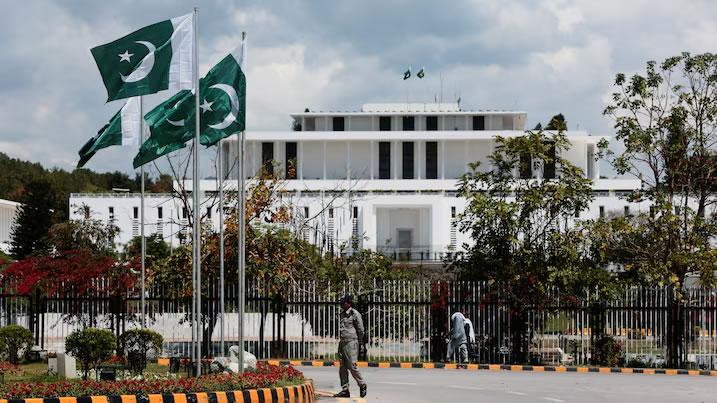
Pakistan emerged as a key mediator, hosting the talks and brokering the ceasefire.
“The United States delegation has departed for Saturday’s planned ceasefire negotiations in Islamabad, Pakistan, and Iran’s government confirmed its representatives have already arrived”
Prime Minister Shehbaz Sharif described the talks as a "make-or-break moment."
Islamabad prepared extensively, clearing a five-star hotel and declaring holidays.
The talks were facilitated by Pakistan's army chief Asim Munir.
Pakistan's lack of diplomatic relations with Israel complicated the Lebanon dimension.
Lebanon was handled separately through U.S.-mediated talks between Israel and Lebanon.
Uncertain Outcomes
The talks were described as a "poisoned chalice" for Vance.
The ceasefire was already contested and broken since the moment it was announced.

Israel and Hezbollah showed no signs of decreasing their attacks.
Trump had vowed to have the Strait of Hormuz open "with or without" Iran's cooperation.
The economic toll was mounting, with consumer prices spiking in the U.S.
The talks represented the most significant push toward peace since 2018.
More on USA

Eric Swalwell Faces Multiple Sexual Assault Allegations, Campaign Collapses
12 sources compared

Democrats Withdraw Support As Eric Swalwell Faces Sexual Assault Allegations
41 sources compared

Haitian Immigrant Kills Florida Woman With Hammer After Biden Releases Him
31 sources compared
Melania Trump Denies Epstein Ties, Calls for Congressional Hearings
15 sources compared