
U.S. and Iran Hold Pakistan-Mediated Peace Talks Amid Israel Bombing Lebanon
Key Takeaways
- Pakistan hosts U.S.-Iran talks in Islamabad, mediating between the two nations.
- U.S. delegation led by Vice President JD Vance attends the talks.
- Fragile two-week ceasefire persists amid Israel-Hezbollah clashes during negotiations.
Pakistan-Mediated Talks
The Iran war entered its 42nd day as U.S. and Iranian negotiators prepared to meet in Islamabad for Pakistan-mediated peace talks.
“Islamabad, Pakistan – With key differences in the Iranian and American positions seemingly intact, Pakistan is aiming for what officials describe as a realistic – if modest – outcome from the negotiations between the two warring nations set to commence in Islamabad on Saturday”
Vice President JD Vance led the American delegation, while Iran's team was expected to be led by Foreign Minister Abbas Araghchi and Parliament Speaker Mohammad Bagher Ghalibaf.

The talks were structured as proximity negotiations, with the two sides in separate rooms.
Ghalibaf issued an ultimatum that negotiations could not begin unless Israel stopped attacks in Lebanon and the U.S. released Tehran's frozen assets.
Trump warned that if a deal was not reached within 24 hours, the U.S. was prepared to renew and intensify strikes on Iran.
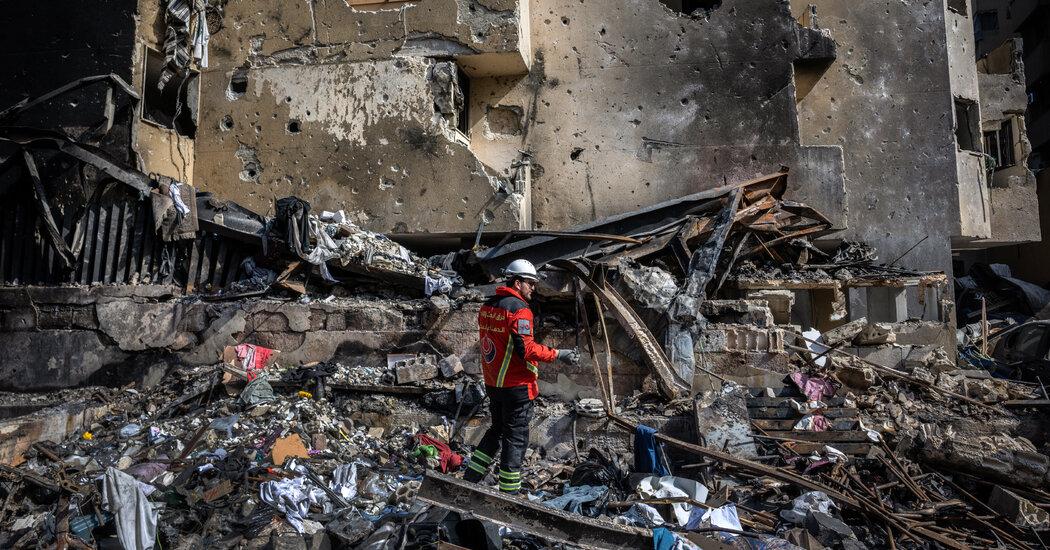
The ceasefire that enabled the talks was already under strain as Israel continued to bomb Lebanon, killing hundreds.
Contentious Preconditions
Iran's parliamentary speaker set two conditions for negotiations: a ceasefire in Lebanon and the release of Iran's blocked assets.
These conditions were not met as Israel continued strikes in Lebanon, killing at least 200 people in a single day.
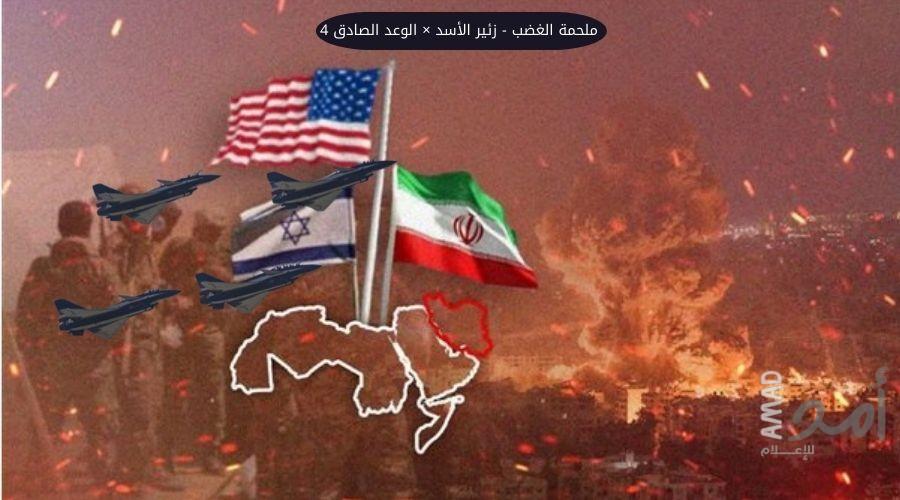
Trump and Netanyahu maintained that Lebanon was not part of the ceasefire.
The Strait of Hormuz remained nearly closed despite the ceasefire agreement that Iran would lift its blockade.
Trump fumed on social media that Iran was doing a very poor job of allowing oil to go through the strait.
The closure of the strait had caused the worst-ever disruption to global energy supplies.
Divergent Death Toll Reports
The death toll from the conflict varied widely across sources.
“Skip to main content Apr 8, 2026 - Politics & Policy Vance to lead U”
Reuters and the Bangladeshi government reported 28 dead in the Rahman Textile fire.
Al Jazeera correspondents counted at least 41.
The Dhaka Tribune reported 33 confirmed dead.
The divergence in casualty figures reflected broader uncertainties and contested narratives.
Economic and Humanitarian Impact
The closure of the Strait of Hormuz disrupted 20% of the world's traded oil.
Brent crude prices rose more than 30% since the war started.

The Airports Council International Europe warned of systemic jet fuel shortages.
Lebanon declared a day of mourning after Israeli attacks killed at least 200 people.
Medical facilities treated hundreds and sheltered thousands of displaced people.
The World Food Programme warned of a food security crisis in Lebanon.
More on Iran
Trump Accuses Iran of Violating Ceasefire as Strait of Hormuz Remains Closed
10 sources compared

Iran Blocks Strait of Hormuz, Demands Israel Cease Attacks Before Talks
24 sources compared
US Sends Vance to Pakistan for Peace Talks as Israel Strikes Lebanon
23 sources compared

Israel Kills Over 300 in Intense Airstrikes on Beirut Amid Global Pressure
22 sources compared