Iran10 April, 20262 min read
US And Iran Negotiate Ceasefire And Nuclear Issues In Islamabad Amid Lebanon Dispute
This article is an automated aggregation of coverage from news outlets. Our editorials offer in-depth analysis curated by the NewsCord team.
U.S. and Iran hold Islamabad talks to extend a fragile ceasefire. Iran rejects enrichment restrictions ahead of negotiations on its nuclear program.
Ceasefire Talks Begin
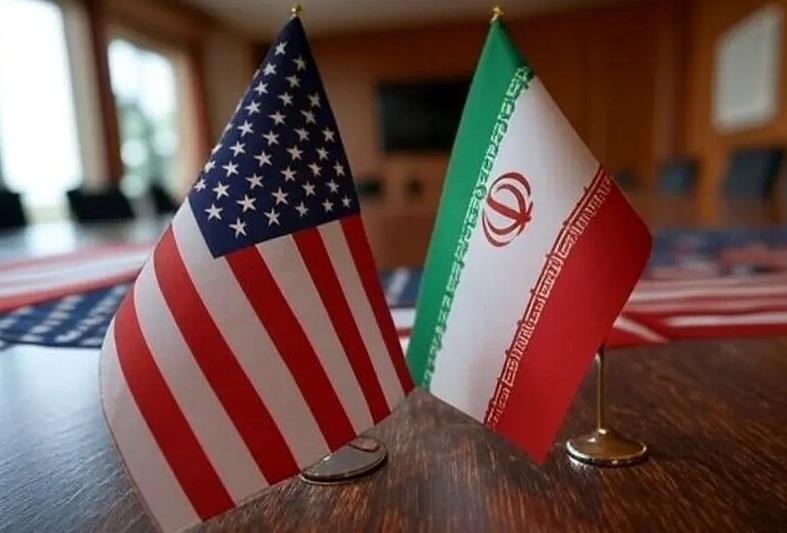
Negotiators from the United States and Iran convened in Islamabad to transform a shaky two-week ceasefire into a durable peace. The ceasefire covered all fronts including Lebanon, but Israel and the United States subsequently denied coverage of Lebanon, creating a major diplomatic impasse. Iran made Lebanon a precondition for talks, while Washington and Tel Aviv refused to accept that framing.
Trump accused Iran of doing a bad job on reopening the Strait of Hormuz, which remained nearly halted despite the ceasefire. The front lines around Lebanon showed no sign of cooling, with Hezbollah continuing missile and drone attacks and Israel responding with strikes.

Core Disputes
The talks centered on competing 15-point American and 10-point Iranian proposals that revealed sharp divergences. The American proposal focused on constraining Iran's nuclear and regional activities. Washington's demands included a complete halt to uranium enrichment and limits on Iran's missile program.
Iran's proposal focused on sovereignty and strategic independence, seeking a full lifting of sanctions and maintaining control of the Strait of Hormuz. The core points of disagreement remained especially regarding Iran's uranium enrichment program and the presence of U.S. forces.
Nuclear Enrichment Standoff
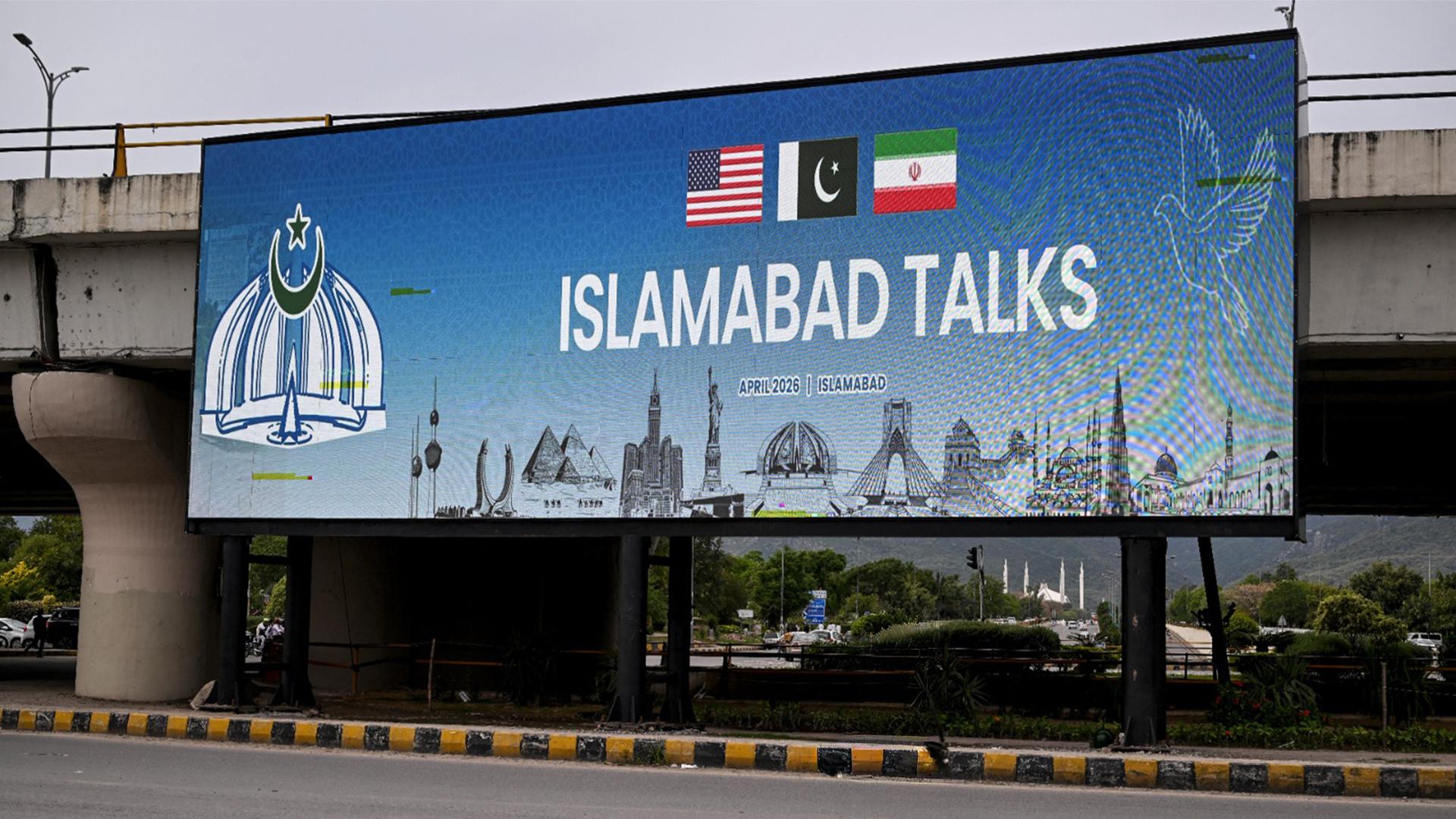
Iran's atomic energy chief ruled out any restrictions on uranium enrichment, directly contradicting a central U.S. and Israeli demand. Senior Iranian officials explicitly stated that any talks with the U.S. will be solely about Iran's peaceful nuclear program.
The New York Times reported that Iran is ready to halt or suspend its nuclear program to calm the situation. Deputy foreign minister Ali Bagheri Kani said Iranian officials have no plan to transfer weapon-grade materials to any country.
Regional Tensions and Economic Stakes
The front lines around Lebanon remained volatile as Israel and Hezbollah traded fire. The Israeli military announced it had dismantled more than 4,300 Hezbollah positions since the war began. Iran's closure of the Strait of Hormuz sent oil prices skyrocketing and roiled the world economy.
The spot price of Brent crude was around $97, up more than 30% since the war started. Some 230 ships loaded with oil were waiting to get through the strait.