
US and Israel confront Iran, pushing West Asian oil payments toward China’s yuan
Key Takeaways
- US-Israeli actions against Iran may mark a turning point for dollar dominance in oil.
- Iran could require yuan payments for Hormuz oil shipments, accelerating petrodollar erosion.
- Analysts foresee a broader shift toward yuan-denominated energy transactions, weakening dollar supremacy.
War risk to petrodollar dominance
Deutsche Bank analysts say the US-Israeli confrontation with Iran could mark a turning point for the dominance of the dollar in global oil trade, potentially opening space for wider use of China’s yuan.
“Deutsche Bank warned this week that Iran’s move to condition oil tanker passage through the Strait of Hormuz on payments in Chinese yuan could accelerate the erosion of the decades-old petrodollar system and push global energy trade closer to a yuan-denominated future”
This view frames the conflict as a stress test on the 'foundations of the petrodollar regime', with Gulf damage potentially encouraging an unwind in their foreign asset savings.
Most globally traded oil is priced and invoiced in US dollars under a system dating back to the 1974 petrodollar pact.
Saudi Arabia has experimented with non-dollar payments for infrastructure projects, and Russian and Iranian oil are trading in non-dollar units.
Yuan expansion amid conflict
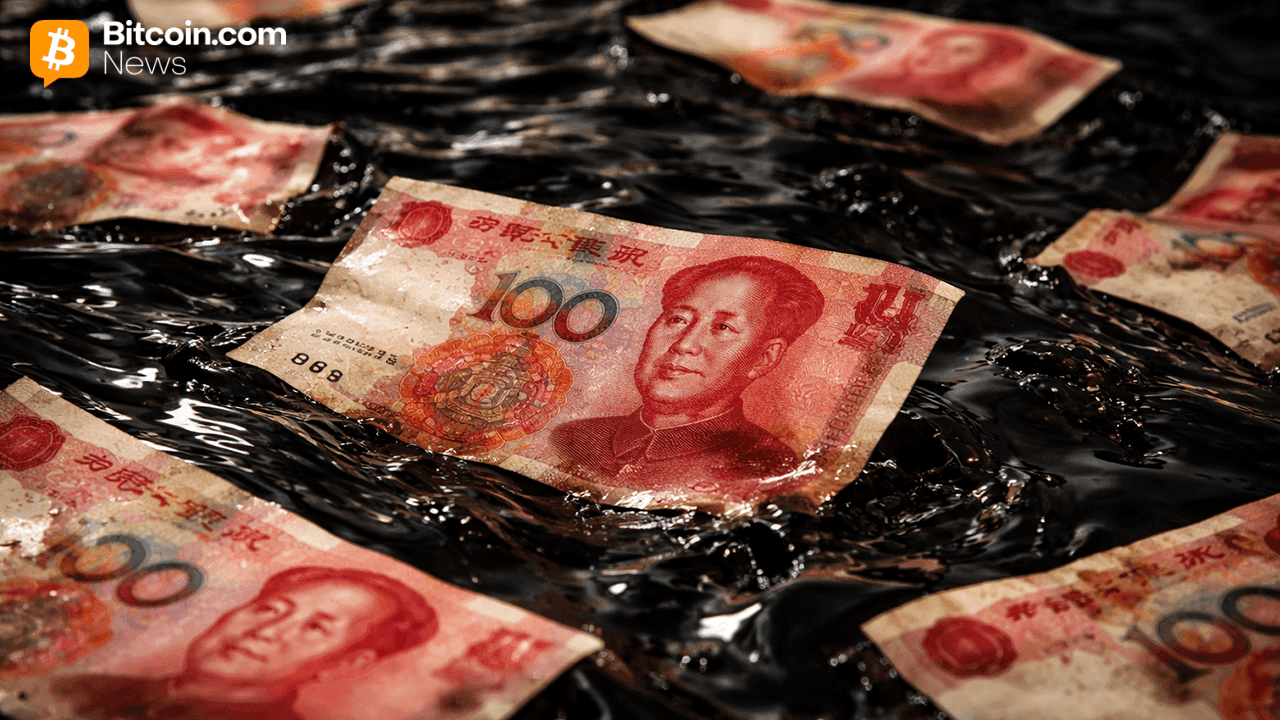
Iran has allowed vessels to transit the Strait of Hormuz on the condition that oil payments are conducted in yuan, a move that, if sustained, would mark a significant departure from established market conventions.
Saudi exports to China are roughly four times higher than those to the United States.
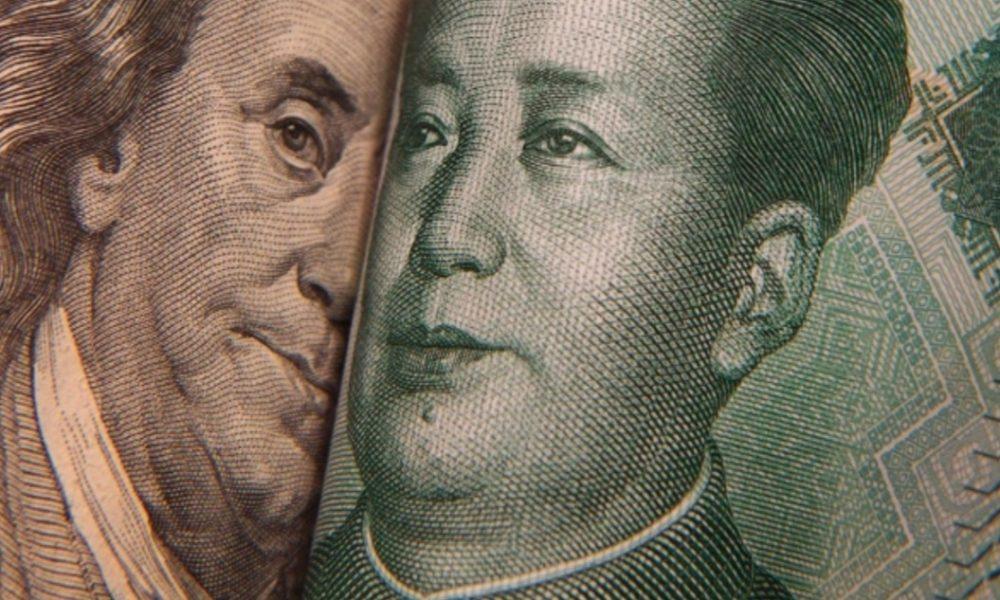
Saudi Arabia has experimented with non-dollar payments for infrastructure projects.
China has stepped up efforts in recent years to strengthen the yuan’s international standing, including expanding its use in cross-border trade and energy markets.
Oil prices amid dollar-yuan shifts
The developments triggered a sharp surge in oil prices, with Brent crude rising above $100 per barrel for the first time in several years.
“Iran war could boost China’s ‘petroyuan’ and weaken US dollar dominance, analysts say Disruptions from the war could accelerate a shift in the oil trade, threatening the US dollar’s long-held dominance, analysts say Fallout from the nearly month-long conflict was testing the “foundations of the petrodollar regime”, while damage to Gulf economies “could encourage an unwind in their foreign asset savings”, Deutsche Bank analysts said in a research note published on Tuesday”
West Texas Intermediate crude has traded above $90 per barrel in recent trading sessions, reflecting market tension around Hormuz risk.
The developments widen channels that could divert energy trades away from the dollar.
Gulf economies absorbing damage from the conflict may unwind dollar-denominated asset holdings.
Policy implications and uncertainty
Deutsche Bank is not predicting a collapse of dollar dominance but is pointing to incremental, structurally significant erosion if yuan-based energy flows gain traction.
This could be the catalyst for the emergence of what is increasingly referred to as the petro-yuan.
Under that deal, Saudi Arabia agreed to price oil in the American currency and invest surpluses in US dollar assets in exchange for security guarantees.
More on Iran
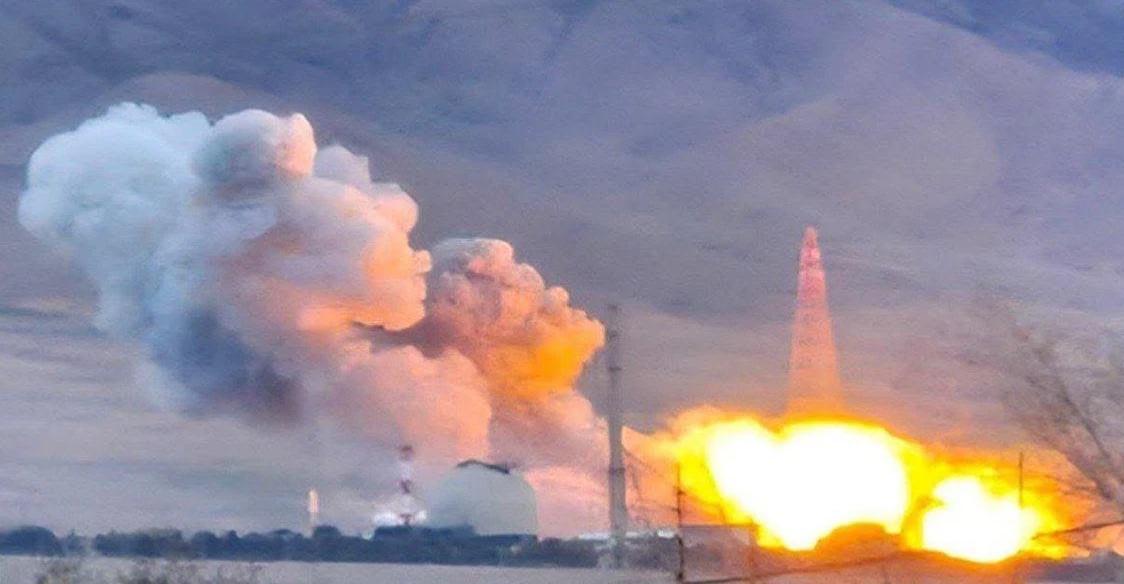
Israel Bombs Iran's Arak Heavy Water Reactor and Ardakan Yellowcake Plant
19 sources compared

Iran Allows 20 Pakistani-Flagged Ships Through Strait Of Hormuz
14 sources compared
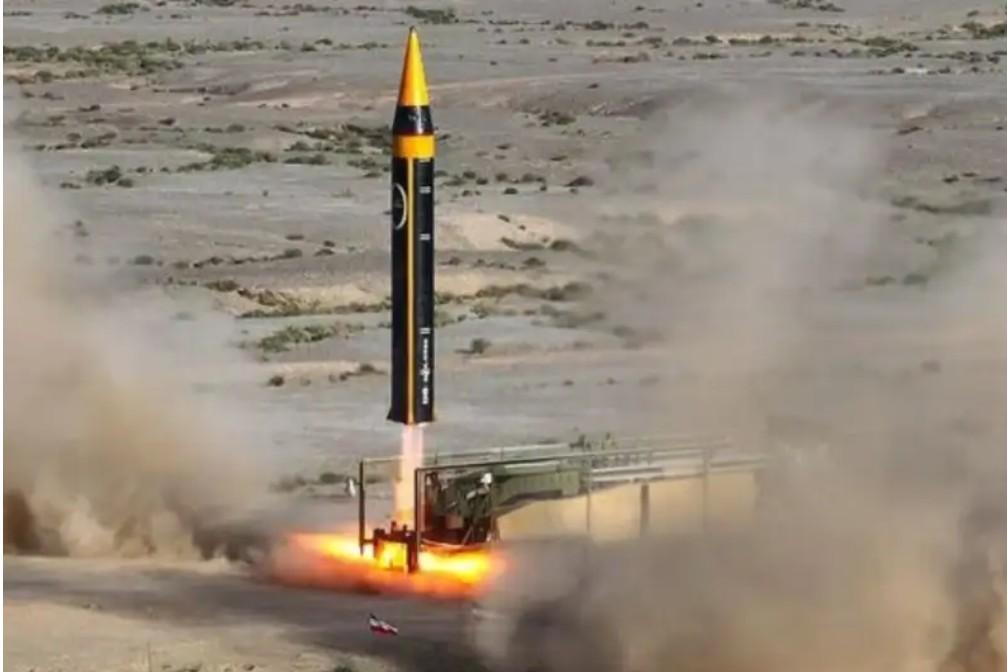
Houthis Formally Enter Iran-Israel War By Firing Missiles And Drones At Israel
16 sources compared
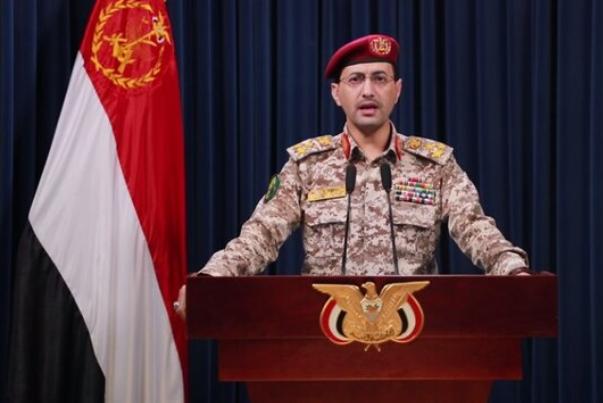
Houthis Launch First Missiles At Israel, Joining Iran War And Threatening Red Sea Routes
75 sources compared