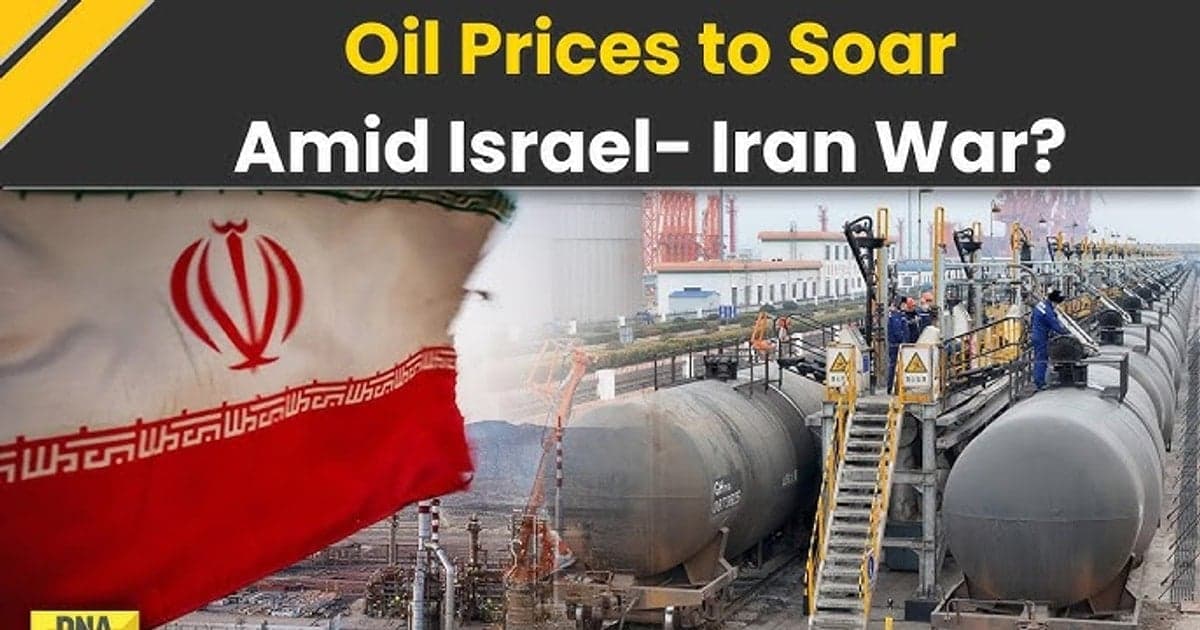
US and Israel Deepen War on Iran, Fueling Global Oil Price Spike
Key Takeaways
- Oil prices surged past $100 per barrel.
- U.S. and Israel intensified military action against Iran, triggering regional escalations.
- Markets plunged while governments activated contingency plans, consulate evacuations, and emergency energy measures.
Escalation and strikes
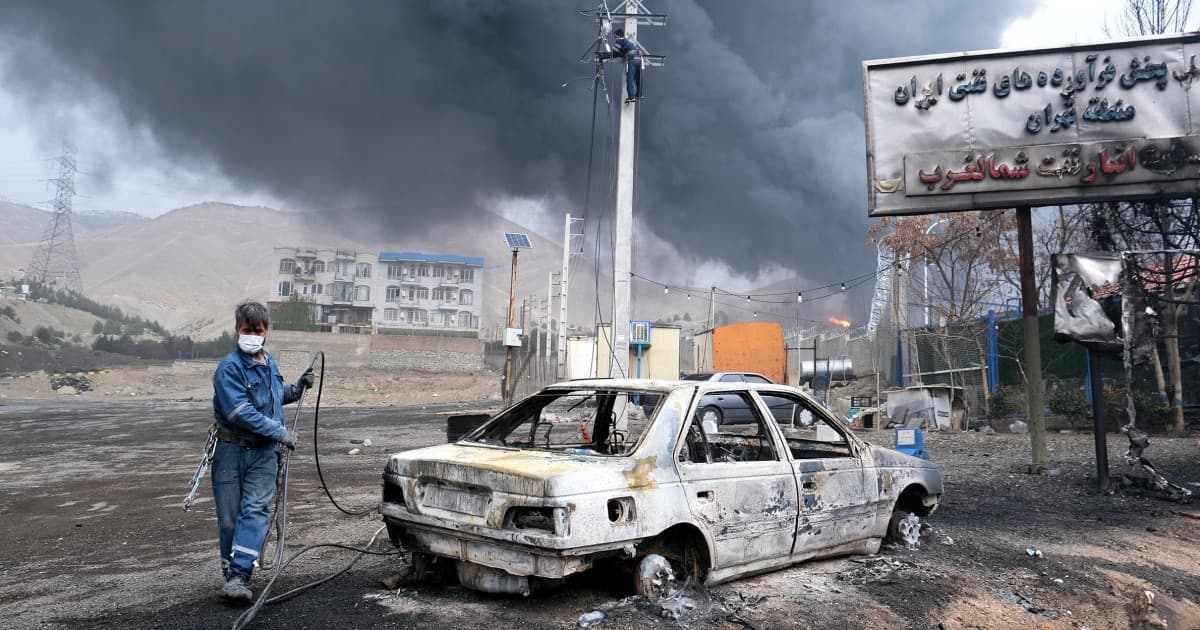
Multiple outlets report that U.S. and Israeli forces have escalated direct operations against Iran in early March, with U.S. strikes specifically targeting radar systems and missile launch sites along the Strait of Hormuz and regional reporting describing a widening US-Israeli war on Iran.
“Asian nations activate contingency plans as Middle East conflict drives oil prices up Schools shut, fuel cap, austerity measures in offing as US-Israeli war on Iran deepens with oil producers declaring force majeure ISTANBUL In India, authorities say fuel prices remain unchanged for now as the government relies on diversified supply sources and strategic reserves”
USA TODAY documented U.S. military airstrikes “targeting Iranian radar systems and missile launch sites along the Strait of Hormuz,” Anadolu Agency described “US-Israeli war on Iran deepens with oil producers declaring force majeure,” and NBC reported that “In Iran, more than 1,200 people have been killed by Israeli and American strikes, according to the Iranian Red Crescent Society.”

Casualties and attacks
The human toll reported across multiple countries is substantial and multi-faceted: outlets cite battlefield deaths, civilian casualties from incoming strikes, and additional hostile actions by militias.
NBC summarized a regional human cost, writing “Hundreds of people have been killed across the Middle East,” while CBS detailed specific civilian fatalities including a worker fatally struck by shrapnel at a construction site in Holon and a wider Lebanese toll where the health minister said deaths had “reached at least 394, including 83 children and 42 women.”
USA TODAY also noted that “Reports emerged of Iranian-backed militias launching attacks on U.S. military bases in Iraq, resulting in additional casualties.”
Missiles, Hezbollah, interceptions
Regional military dynamics and the spread of the conflict have fast become a broader security challenge: outlets point to rocket and missile salvos, large non-state arsenals, and cross-border interceptions that implicate NATO defenses.
“orders non-emergency staff and families to leave consulate in Adana, Turkey The U”
CBS reported that “It came after another warning from the Israeli military of an incoming Iranian missile salvo” and that “Hezbollah continues to multiply the threat posed by Iran to Israel, and to the U.S.” including that “Hezbollah is still believed to have thousands of missiles.”
NBC noted a ballistic missile entered Turkish airspace and was “neutralized by NATO air defenses,” and USA TODAY said “Both Iran and the United States have mobilized additional military assets to the region.”
Oil spike and markets
The conflict has sent energy and financial markets into turmoil: oil surged and fuel costs rose sharply while equity markets reacted negatively, prompting emergency measures by some governments.
NBC headlined that “Oil hits $100 per barrel as impact of Iran war widens,” the Associated Press documented U.S. pump prices and freight fuel moves — “the average price of a gallon of regular gasoline rose to $3.48” and “Diesel... sold for about $4.66 a gallon” — and Anadolu Agency reported that “Asian nations activate contingency plans as Middle East conflict drives oil prices up” while CBS said “Stock markets plunge as oil and gas prices soar.”
Global responses and measures
International political reactions and emergency domestic policies have multiplied: some governments are urging citizens to leave, others are preparing price controls or reserves measures, and key global actors are voicing positions.
NBC quoted Iran’s foreign minister rejecting ceasefire calls — “his country must ‘continue fighting for the sake of our people’” — and also reported China saying it “opposes interference in other countries’ internal affairs” after noting the selection of a new Iranian supreme leader.
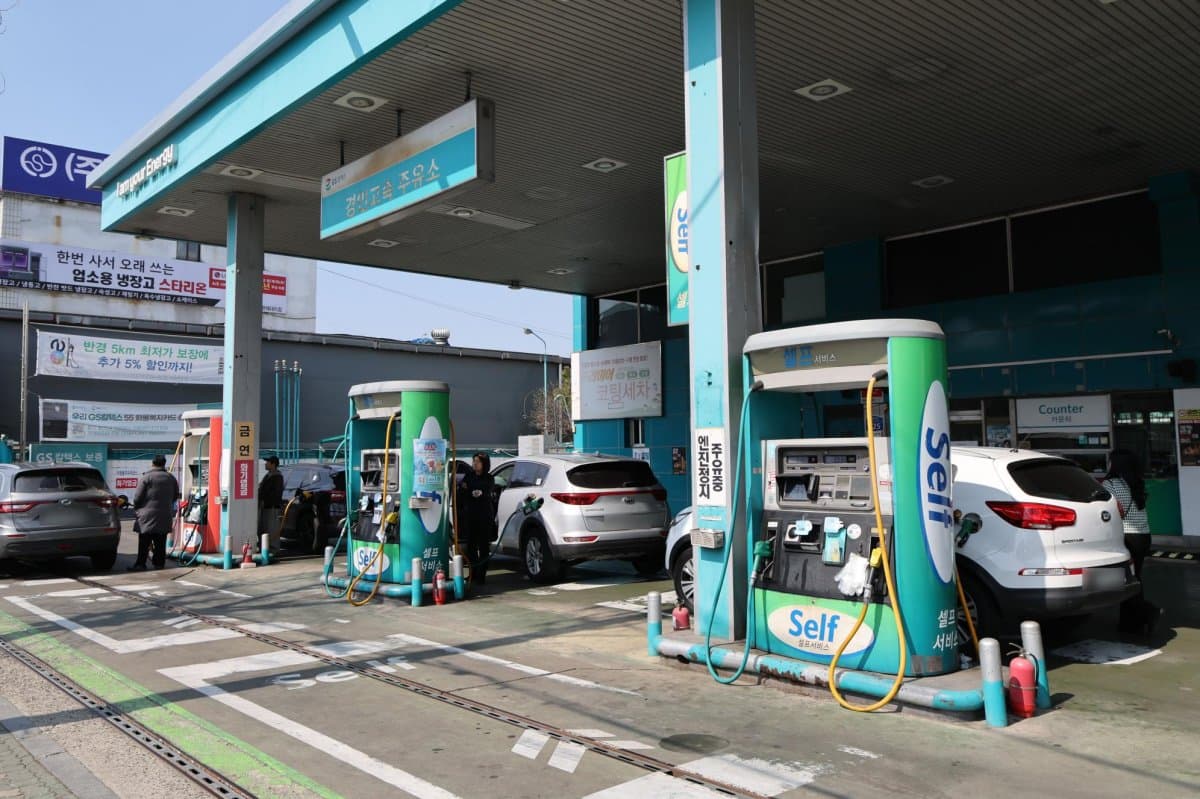
USA TODAY noted the U.N. Security Council has been convened, writing that the council was “calling for an immediate ceasefire,” while Anadolu described national steps such as India relying on “strategic reserves sufficient for roughly 50 to 74 days of consumption” and South Korea urging a fuel price cap.
CBS also recorded domestic security measures like Qatar’s arrests for sharing footage, reporting “Qatar arrests 313 people for sharing attacks video and spreading "rumors".”
More on Business

Senate Passes Bipartisan Housing Bill Banning Institutional Investors From Buying Single-Family Homes
19 sources compared

Senate Passes Bipartisan Housing Bill Banning Institutional Investors From Buying Single-Family Homes
29 sources compared

Lucid Group Reveals Cosmos and Earth Midsize EVs Starting Under $50,000
10 sources compared
IEA Proposes Largest-Ever Strategic Oil Reserve Release to Reshape Global Markets
15 sources compared