
US and Israel Displace 3.2 Million in Iran, Push Middle East to Breaking Point
Key Takeaways
- United States and Israel launched large-scale attacks against Iran.
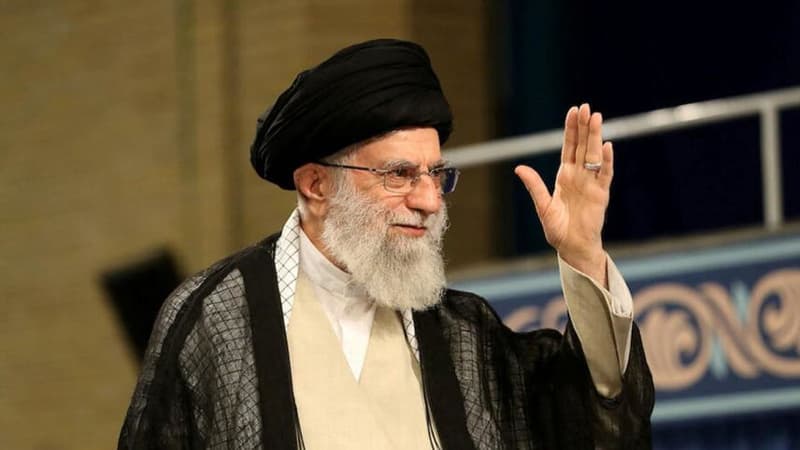
- Attacks killed Supreme Leader Ayatollah Ali Khamenei; Mojtaba Khamenei named successor.
- U.S.-Israeli attacks temporarily displaced up to 3.2 million people within Iran.
Mass displacement overview
US and Israeli military operations have forced an estimated 3.2 million people from their homes, creating one of the largest displacements in the Middle East in decades and pushing the region toward a broader rupture.
“Sam Vigersky is an international affairs fellow at the Council on Foreign Relations”
Reporting across regional and international outlets documents mass evacuation orders, sustained aerial bombardment and siege tactics that have rendered civilian areas uninhabitable and compelled large-scale flight, while analysts warn that the scale of displacement is overwhelming humanitarian capacities and threatening to destabilise neighbouring countries.

The combination of Israel’s intensive bombing campaigns and US political, military and logistical backing has been repeatedly cited as the driver of this mass uprooting and the wider regional escalation.
Humanitarian catastrophe and genocide
The humanitarian toll amounts to what multiple rights groups and eyewitness reports call genocidal conduct by Israel in Gaza: concentrated, indiscriminate bombardment of dense civilian populations, destruction of vital infrastructure and obstruction of humanitarian aid have precipitated mass civilian deaths, injuries, and the collapse of essential services.
Observers from regional media, human rights organisations and investigative journalists document hospitals being struck, water and electricity cut, and a spiralling scarcity of food and medicine that together create conditions of collective punishment and civilian extermination.
Regional escalation risks
The crisis has rippled across the Middle East, with militias and state actors responding to Israel’s offensive and US support by launching attacks that further threaten to widen the war.
“Sam Vigersky is an international affairs fellow at the Council on Foreign Relations”
Coverage from regional outlets and Western press documents cross-border strikes, maritime attacks and increased military alertness, while diplomatic channels strain under unprecedented tensions.
Commentators and security assessments warn that the cumulative effect of Israel’s actions and Washington’s backing is to fuel an escalation spiral that could draw regional powers into a prolonged, multi-front confrontation.
US enabling role
The United States’ role has been central: Washington’s diplomatic cover, arms supplies and intelligence-sharing have enabled Israel’s sustained offensive, according to reporting and expert commentary.
Multiple outlets cite US resupply flights, political vetoes at international bodies, and high-level diplomatic backing that have shielded Israeli operations from decisive international rebuke, even as those operations produce mass civilian suffering and displacement.
Critics in the media and rights communities argue that US support is complicit in the unfolding violations and is exacerbating the humanitarian emergency on the ground.
Calls for ceasefire and accountability
International institutions, rights groups and many governments are calling for an immediate ceasefire, accountability and unfettered humanitarian access, but divisions at the UN and in major capitals have so far prevented decisive action.
“Sam Vigersky is an international affairs fellow at the Council on Foreign Relations”
Legal experts and human rights organisations cited in coverage argue that the scale and pattern of attacks warrant investigations for war crimes and potentially crimes against humanity, while appeals grow for independent inquiries and emergency intervention to protect civilians and stop further displacement.
More on Gaza Genocide

Israel Drops Charges Against Five Soldiers Accused Of Sexually Assaulting Palestinian Detainee
23 sources compared

Israeli Reservist Soldier Kills Palestinian Man in Occupied West Bank as Israel Intensifies Military Presence
15 sources compared
Wealthy Flee Gulf as Private Jet Charters Surge to $350,000, Riyadh Becomes Evacuation Hub
26 sources compared
U.S. and Israel Assassinate Iranian Supreme Leader Ayatollah Ali Khamenei, President Donald Trump Says
137 sources compared