
U.S. and Israel Intensify Strikes on Iranian Weapons Sites
Key Takeaways
- U.S. and Israeli forces are striking Iranian weapons and military sites
- Brent crude briefly topped $100 a barrel amid the conflict
- U.S. and IEA members announced emergency oil releases of 172 million and 400 million barrels
Escalation of strikes
U.S. and Israeli forces have markedly stepped up strikes on Iranian weapons sites and related proxy infrastructure, with official military statements describing fresh "waves" of attacks and analysts noting an intensification in tempo and lethality.
“The estimate was first reported by The New York Times”
Inside Climate News reports that "U.S. and Israeli forces have intensified their attacks on Iranian weapons sites and regional proxies, striking thousands of targets with increasing lethality."

CBS News recorded an Israeli military post announcing the beginning of a new "wave of extensive strikes targeting the terrorist regime's infrastructure across Iran."
The New York Times likewise reported that "the Israeli military launched a new wave of strikes against Iran, saying it was targeting government infrastructure," underscoring coordinated and sustained action by U.S. and Israeli forces across multiple theatres.
Human cost and scope
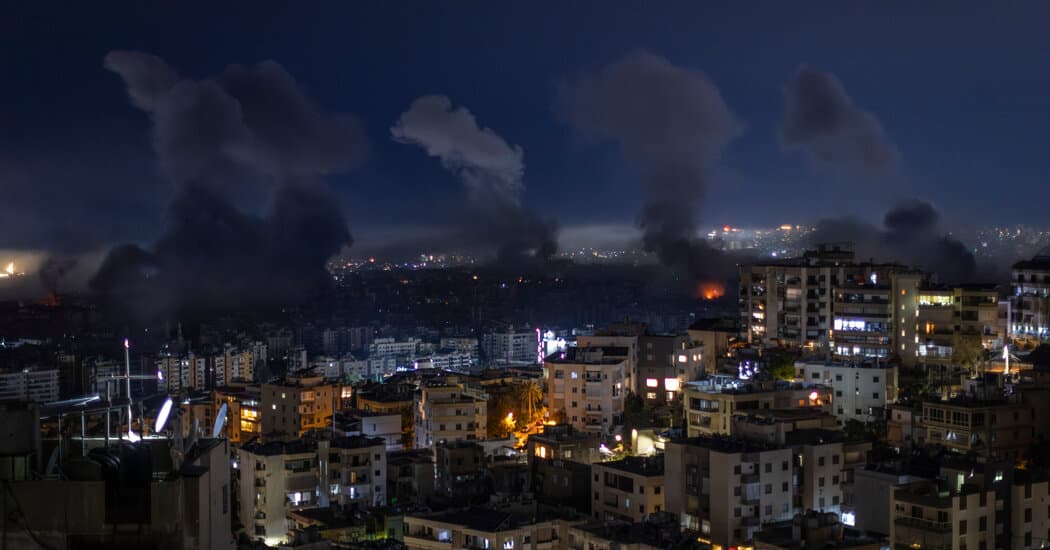
The strikes have had direct, deadly effects on both military and civilian areas across the region, with reporting of strikes in Iran, Lebanon and elsewhere and continued retaliatory attacks.
The New York Times described Israeli bombing that "shook Beirut" and said heavy strikes "had killed at least seven people and injured dozens more," and Inside Climate News emphasized that thousands of targets have been hit as part of the intensified campaign.

CBS News noted that "neither Israel nor Iran have shown any inclination to slow their attacks," reflecting an ongoing cycle of action and reprisal that has displaced civilians and produced mounting casualties and destruction.
Maritime and infrastructure hits
Beyond direct combat, the war has spread to shipping lanes and regional infrastructure: several tankers were struck off Iraq’s coast and multiple nations reported attacks or interceptions, prompting port and terminal closures.
“The concentration of petrochemical production facilities in Gulf states adds another layer of complexity”
The New York Times reported two tankers "burning off the Iraqi coast" and that Iran "claimed responsibility for attacking one" of the ships, while CBS News covered a Thai vessel struck in the Strait of Hormuz with crew "believed to be trapped."
Streamline Feed framed these incidents as part of a broader disruption that "halted the flow of millions of barrels of crude daily," illustrating how strikes on energy and maritime targets have escalated the conflict’s geographic and economic footprint.
Energy shock and reserves
The strikes and shipping attacks have triggered a severe global energy shock, prompting coordinated reserve releases but also conflicting tallies of reserves committed.
The New York Times quoted the International Energy Agency warning the war had caused "the largest supply disruption in the history of the global oil market," and Inside Climate News described the crisis as "thelargest supply shock in the history of the modern oil market."
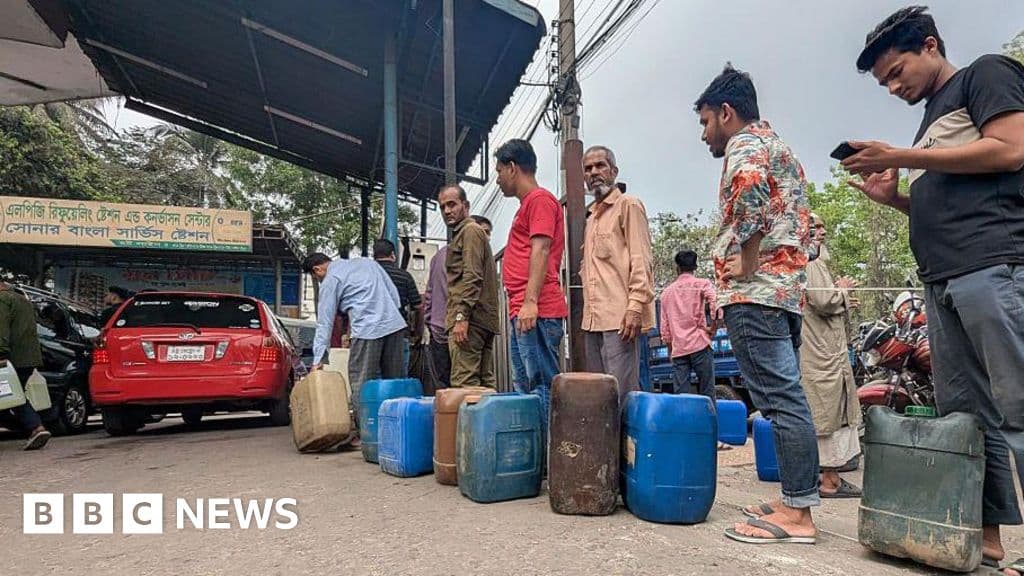
Several outlets reported coordinated releases of strategic reserves: the New York Times said member states "agreed to release 400 million barrels of oil from their emergency reserves," and Inside Climate News noted the IEA "agreed to release an unprecedented 400 million barrels of oil."
By contrast, Discovery Alert described a coordinated release "targeting 350 million barrels of oil," creating a discrepancy in reported volumes that the sources do not reconcile.
Economic ripple effects
Analysts and regional observers warn of deep economic ripple effects if the campaign persists: higher oil and fertiliser prices, supply-chain shocks, and limits in alternative routing and production capacity.
“Personalized content and ads can also include things like video recommendations, a customized YouTube homepage, and tailored ads based on past activity, like the videos you watch and the things you search for on YouTube”
Streamline Feed observed that "refineries across South East Asia have been engineered over decades specifically to process this particular type of crude," complicating substitution, while vocal.media described the crisis as producing "extreme volatility in oil markets" with analysts warning prices could reach "as high as $150 per barrel" if tensions continue.
Discovery Alert highlighted broader supply risks—"Urea prices have increased 65% from baseline levels"—and modelled scenarios where prolonged disruption pushes prices much higher and inflicts lasting harm on agriculture and growth in import-dependent economies.
More on Iran

FBI Warns Iran Could Launch Drone Attack on California From Offshore Vessel
10 sources compared

Iran Keeps Strait of Hormuz Closed, New Supreme Leader Mojtaba Khamenei Declares
10 sources compared

US and Israel Force 3.2 Million Iranians to Flee in Under Two Weeks of War
14 sources compared

Iran's New Supreme Leader Mojtaba Khamenei Orders Strait of Hormuz Closed
17 sources compared