Iran03 March, 20262 min read
US and Israel Kill Iran's Supreme Leader Ayatollah Ali Khamenei
This article is an automated aggregation of coverage from news outlets. Our editorials offer in-depth analysis curated by the NewsCord team.
United States and Israel launched sustained air strikes on Tehran and other Iranian cities Iran fired hundreds of missiles and drones at Gulf states, striking US bases and infrastructure
6 outlets told this the same way.
Outlets did split on Iran Reviews US Negotiation Proposals As Pakistan And Qatar Mediate Strait Of Hormuz Dispute →
United States and Israel strike
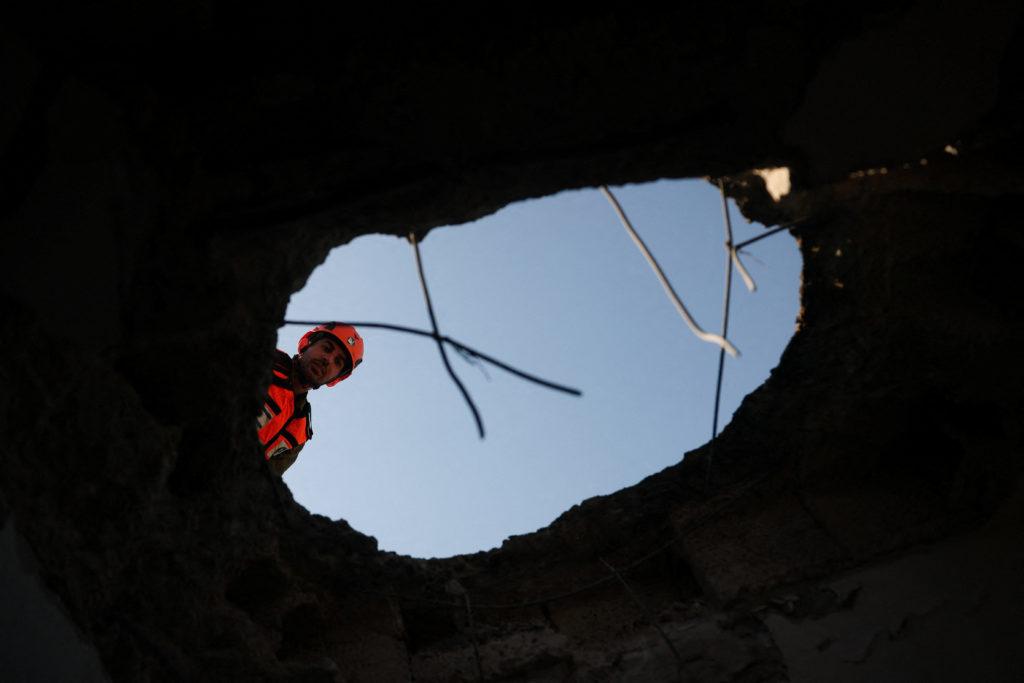
On February 28, 2026, the United States joined Israel in a large-scale military strike on Iran that targeted Tehran and other Iranian cities. According to reporting, the attack destroyed military and official targets and killed Supreme Leader Ayatollah Ali Khamenei and several senior clerics.
“On February 28, 2026, the United States joined Israel in a large-scale military strike on Iran: two U.S. aircraft carrier strike groups, scores of advanced aircraft and the Israeli air force attacked Tehran and other Iranian cities, destroying military and official targets and killing Supreme Leader Ayatollah Ali Khamenei and several senior clerics.”
PBS likewise frames the situation as a sharpening Middle East war after the killing of Khamenei, and notes widespread explosions and retaliatory action across the region. The Times article listed in coverage was not accessible behind a paywall in the source set provided here.
U.S., Iran and regional strikes
Sources report the strike involved major U.S. naval and air assets, described as two U.S. aircraft carrier strike groups and scores of advanced aircraft operating with the Israeli air force. They say Iran retaliated with missiles and armed drones, striking Israeli targets and U.S. facilities across Gulf states.
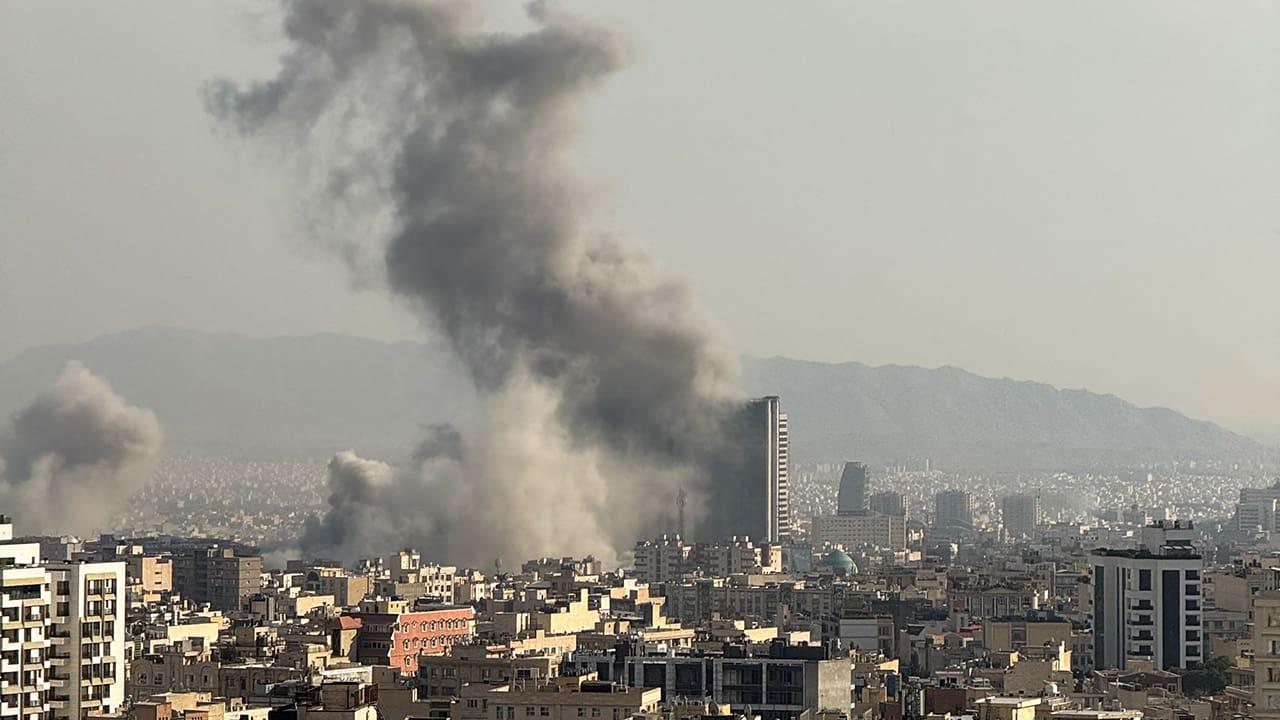
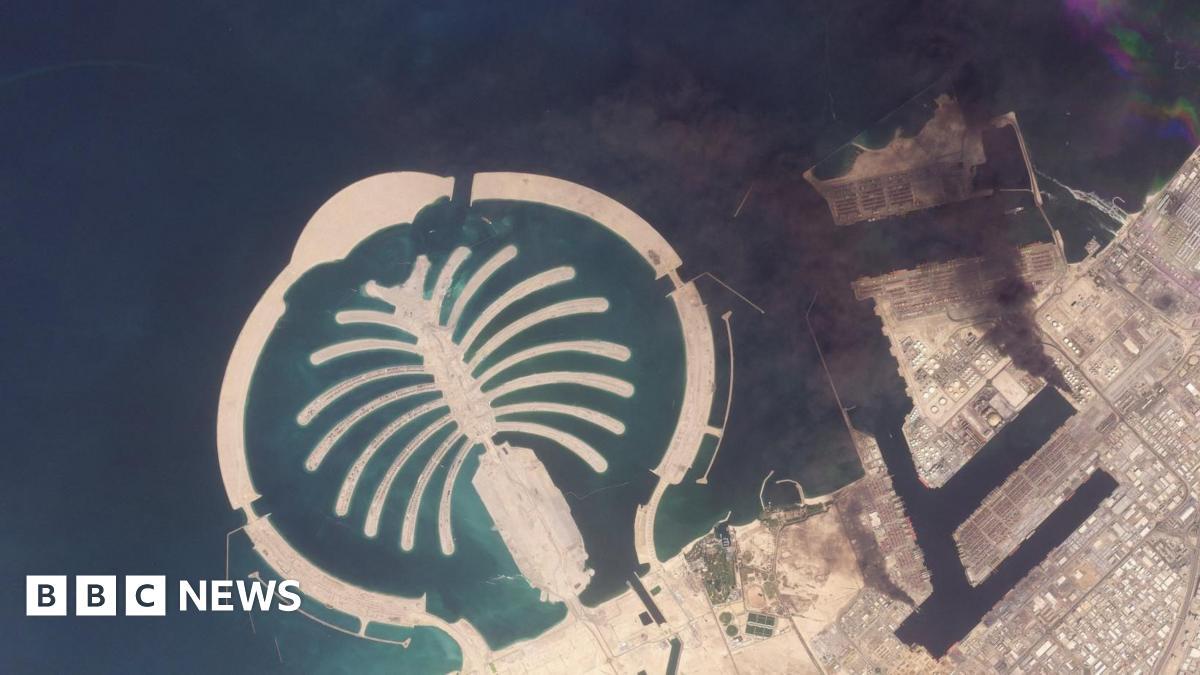
PBS describes explosions across Tehran and says Iran and its allies launched retaliatory strikes on Israel, neighbouring Gulf states and energy infrastructure. Arab Center reports damage to civilian infrastructure in the Gulf, including ports and airports.
U.S. political messaging
The Arab Center quotes President Donald Trump saying the goal of the attack was 'regime change in Tehran.' PBS reports Trump also said the U.S. can sustain military operations beyond a previously projected four-to-five-week timeframe. PBS also highlights conflicting statements from the U.S. and Israel and a lack of a clear exit plan, concerns that raise the prospect of a prolonged conflict.
“President Donald Trump said the goal of the attack was regime change in Tehran, a development that could reshape the strategic balance across the Middle East.”
Regional and global consequences
Analysts emphasize regional and global consequences. Arab Center reports the fighting 'effectively closed the Strait of Hormuz, which carries about 20% of global oil shipments.' The center says the strike and its fallout 'could reshape the strategic balance across the Middle East' and has solicited expert analysis.
PBS similarly stresses the attacks' intensity and the prospect of wide consequences, noting the lack of a clear exit strategy. The Times coverage in the provided set could not be accessed for further detail without the article text or a public link.