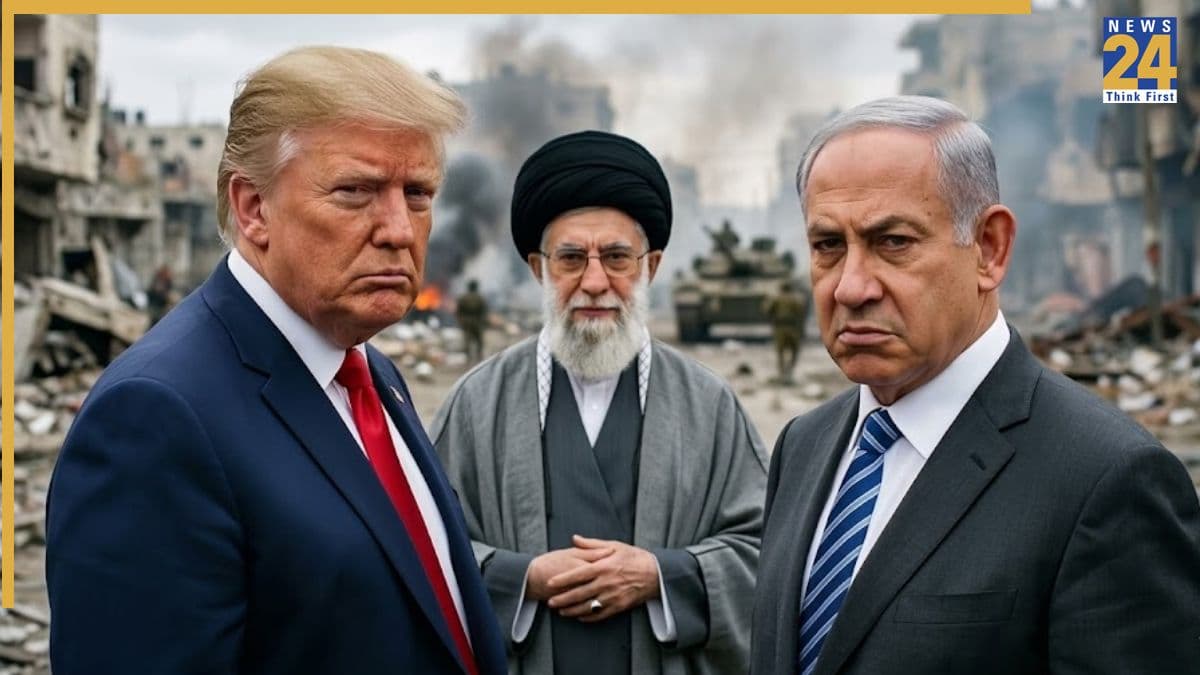
US and Israel Launch Coordinated Strikes on Iran
Key Takeaways
- United States and Israel carried out coordinated strikes on Iran
- Iranian missile barrages triggered sirens in central Israel and prompted UAE interceptions
- The attacks sharply escalated regional tensions, raising fears of a wider Middle East war
Claims of Israeli strikes
Multiple outlets report that Israel’s military announced a new, "wide-scale wave of strikes" across Iran and said it was also striking Hezbollah infrastructure in Beirut, while Israeli forces reported intercepting missiles fired from Iran toward Israel; sources differ on the scale and on whether US forces directly joined in the strikes, and the available reporting does not uniformly confirm coordinated US-led strikes inside Iran.
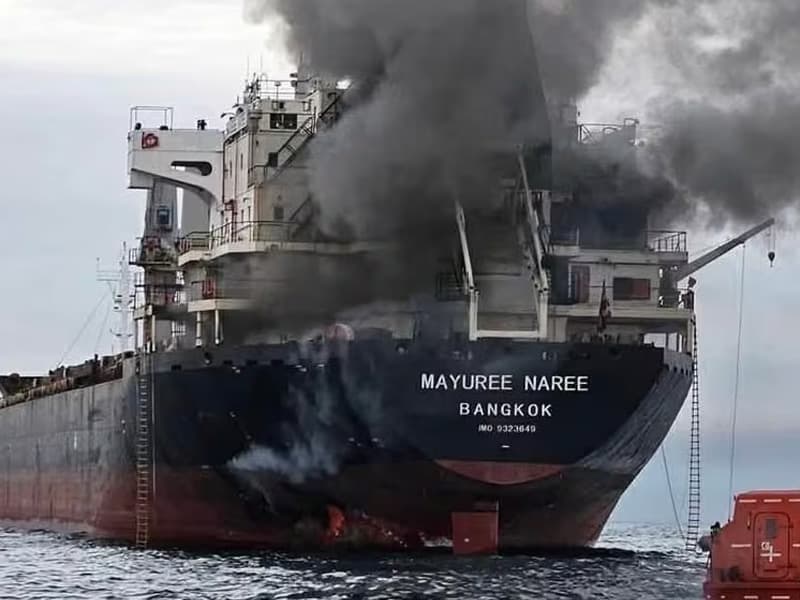
“UAE intercepts 92 per cent of 270 missiles over 11 days as new attacks hit Saudi Arabia Highlights Three additional vessels were hit by unidentified projectiles in the Strait of Hormuz on Wednesday, according to maritime security firms, raising the total number of ships attacked in the waterway since the Iran conflict erupted to at least 14, Reuters reported”
Gulf News quoted Israel's military saying it had begun a "wide-scale wave of strikes" across Iran and was hitting Hezbollah in Beirut, while News24 reported that the Israeli Defence Forces said their defence systems were actively intercepting missiles fired from Iran toward Israel; other items in the reporting reference a broader conflict involving the US, Israel and Iran but do not present consistent, independent confirmation that US forces carried out strikes inside Iran alongside Israel.

Given the varying emphases in the coverage, the extent of direct US military action remains unclear in these sources.
Iran's retaliatory posture
Iran’s military and officials publicly vowed continued retaliation and described attacks inside Israel: Iran’s military said its drones targeted refineries and oil storage facilities in Haifa, a major Israeli port, and Tehran’s foreign ministry and senior advisers framed diplomacy with the United States as "off the table" while pledging prolonged military responses.
News24 cited Iran’s military claims about drone strikes on Haifa via Tasnim News Agency and quoted Iran’s foreign minister Abbas Araqchi and adviser Kamal Kharazi saying Iran would sustain missile attacks and that talks with the US were no longer possible.

Gulf News coverage adds regional responses such as Oman condemning the ongoing targeting operations and reporting of drone activity in nearby waters, underscoring how Iranian statements and regional defence activity have escalated tensions.
Multi-front escalation
The fighting has broadened beyond Iran and Israel, with strikes and drone activity reported in Iraq and Lebanon and local militias and opposition groups affected: News24 cited Reuters reporting airstrikes on the Hashd Shaabi headquarters near Kirkuk that killed and wounded fighters;
“US-Israel-Iran War Highlights: A new chapter of conflict in the Middle East has erupted after coordinated strikes by the United States and Israel on Iran, rapidly escalating tensions across the region and beyond”
Gulf News reported a drone strike in Iraq's Kurdistan region that killed a member of an Iranian Kurdish opposition group (Komala), which its exiled party blamed on Iran; and Gulf News also recorded Israel announcing strikes on Hezbollah infrastructure in Beirut, indicating the conflict is playing out across multiple theatres.
These reports suggest a complex, multi-front escalation involving state militaries and non-state forces, with different outlets emphasising different flashpoints.
Civilian and commercial disruption
The conflict has inflicted immediate civilian and commercial disruptions across the region: airlines cancelled and rerouted flights, air raid sirens sounded in Gulf states, and governments repatriated citizens.
Gulf News reported that KLM cancelled all flights to Dubai until March 28 and that Cathay Pacific announced rising fuel surcharges as prices doubled; News24 said Bahrain’s Gulf Air suspended flights temporarily and that air raid sirens sounded across Bahrain, while China’s foreign ministry said more than 10,000 Chinese citizens returned safely from Gulf countries.
Pakistan began escorting merchant vessels to protect shipping through the Strait of Hormuz, according to News24’s citation of the New York Times, illustrating how commercial travel and shipping have been directly affected.
Economic and contested claims
Economic ripple effects and contested casualty claims are prominent in the reporting: oil prices and fuel costs have surged, shipping and freight leaders warned of higher costs for consumers, and there are disputed on-the-ground claims such as Iran state television’s broadcast of alleged missile fragments marked 'Made in USA' from a strike on a girls’ school—claims News24 said are unconfirmed.
“Israelis in central cities of the country were unable to sleep for more than three consecutive hours overnight into Wednesday due to a series of missiles fired from Iran, which triggered sirens in cities between Netanya in Israel's central north, and Ashdod in the south”
Gulf News quoted Maersk’s chief executive warning freight could rise 15–20% and cited doubled fuel costs prompting airline surcharges, while News24 reported that the Trump administration was reportedly exploring easing Russian oil sanctions to bolster global supply—moves that would have geopolitical trade-offs.
The sources document significant economic strain and note that some casualty and weapons-origin claims remain unverified in the available reporting.
More on Iran
US Bombs Military Sites on Iran's Kharg Island
10 sources compared
Iran Closes Strait of Hormuz, Chokes Global Shipping and Pushes U.S. Retail Prices Higher
41 sources compared
President Donald Trump Orders US Bombing of Iran's Kharg Island, Says Targets 'Totally Obliterated'
18 sources compared
Trump Orders US Bombing of Iran's Kharg Island, Claims 'Every Military Target' Obliterated
12 sources compared