Russia03 March, 20264 min read
US and Israel Launch Surprise Missile Strikes on Iran, Trigger Retaliation Across Arab Gulf
U.S. and Israel launched coordinated strikes inside Iran targeting missile, naval, and nuclear-related infrastructure Iran launched missile and drone strikes across the Arab Gulf, striking U.S. bases and Gulf infrastructure
63 outlets told this the same way.
U.S. and Israel strikes
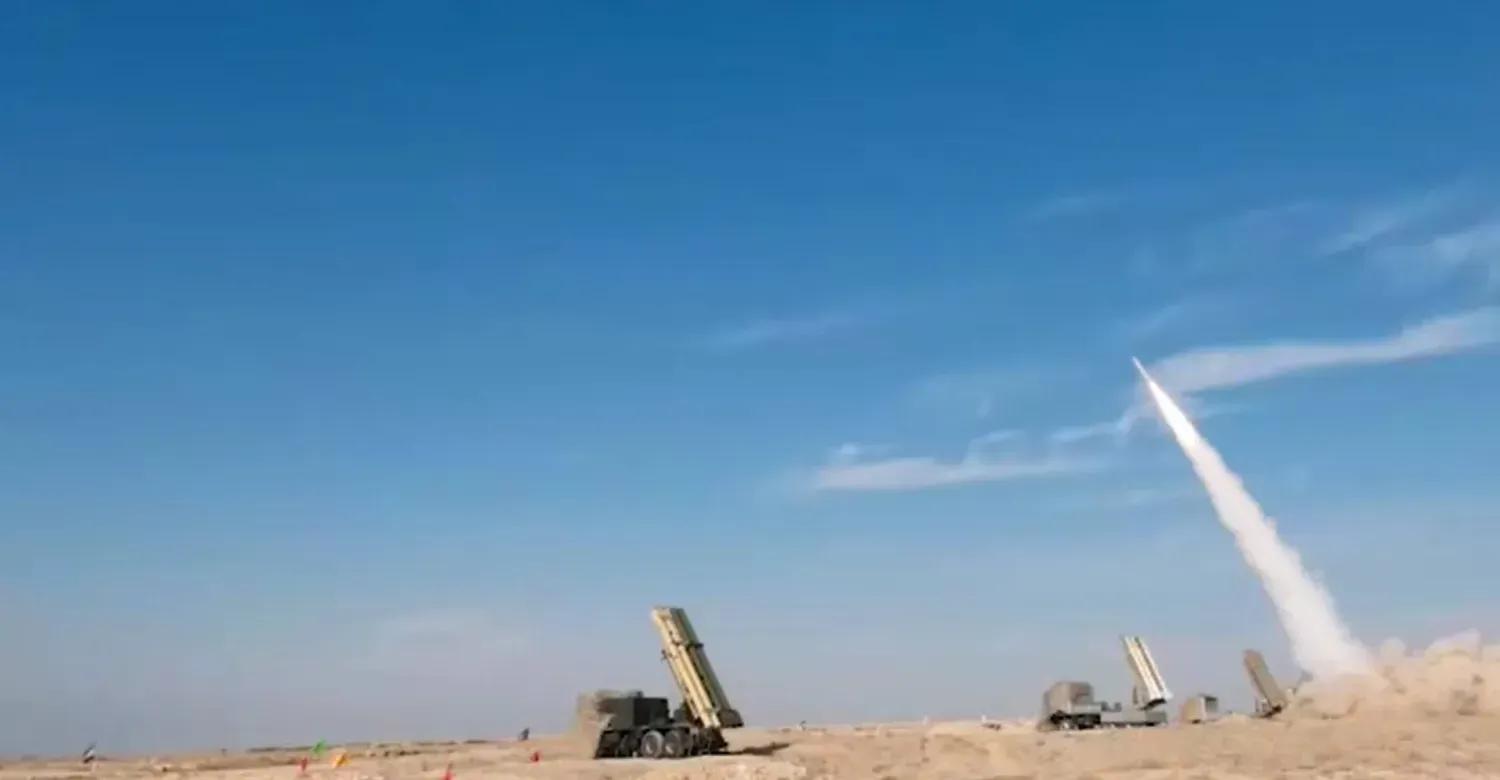
Multiple outlets reported that U.S. and Israeli forces carried out large-scale, coordinated strikes on Iran in late February/early March 2026, describing the actions as a joint campaign against Iranian missile, air-defense and nuclear-related sites.
“U.S. and Israeli forces carried out coordinated strikes across Iran after reports — not independently verified — that Supreme Leader Ayatollah Ali Khamenei had been killed.”
Vocal.media reported that the United States and Israel launched large-scale, coordinated military strikes on Iran in the early hours of February 28, 2026.
NPR noted that U.S. B-2 bombers and Israeli forces carried out joint strikes on Iranian targets, and said B-2s used 2,000-lb bombs against ballistic-missile sites.
Vocal.media also reported that President Donald Trump publicly confirmed a massive and ongoing campaign aimed at neutralizing what he called imminent threats.
At the same time, some outlets published claims that were not independently verified about senior Iranian casualties, with KGNS saying the strikes followed unconfirmed reports that Supreme Leader Khamenei was killed.
Casualties and damage reports
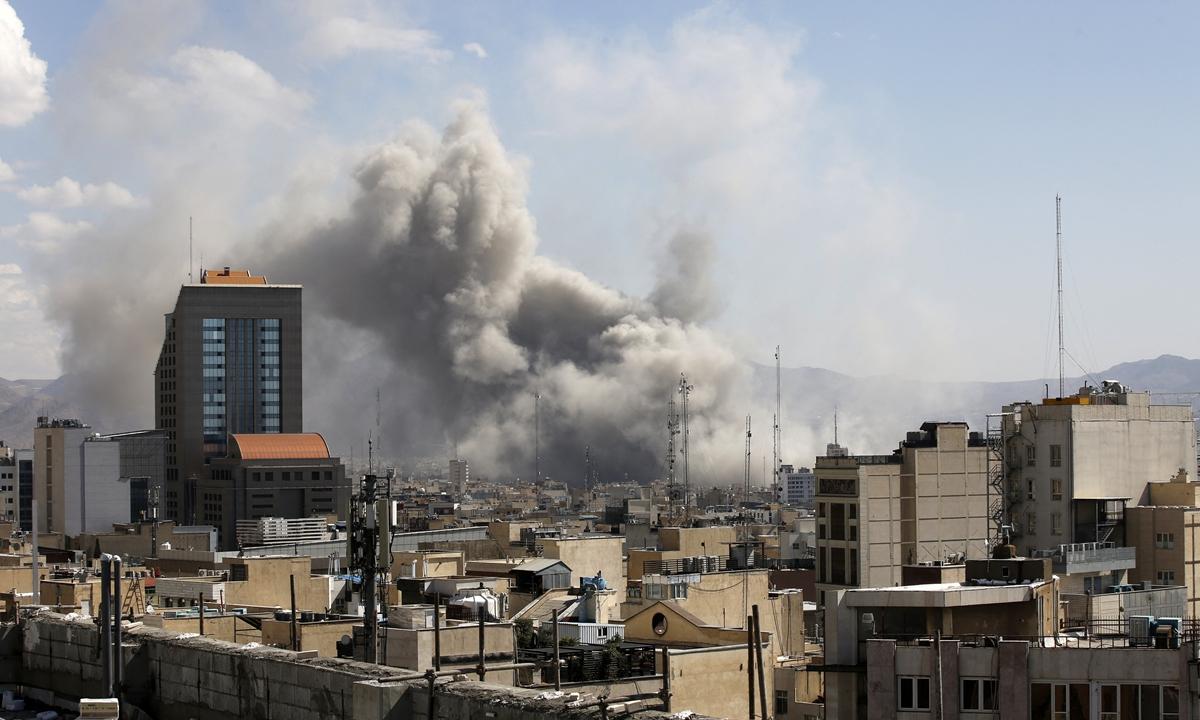
Iran reported heavy civilian tolls and extensive damage to cities and cultural sites after the strikes. Al Jazeera said that 'the death toll from recent US- and Israeli-led strikes climbed to 787, with widespread destruction across the country.' Middle East Eye reported that 'Iran's Red Crescent gave a death toll of at least 787 and said strikes hit more than 150 cities.'
The Times of India described local reports that 'a strike hit the Shajare Tayyebeh girls’ elementary school in Minab, Hormozgan province ... killing and injuring many children.' The Guardian captured the human reaction with a quote that Iran’s health ministry spokesman called the incident 'the most bitter news.'

Iran's regional strikes
According to multiple reports, Iran and Iran‑aligned forces responded with missile, drone and naval strikes across the Gulf and against U.S. facilities in the region.
“Iran has struck at least six U.S. military facilities across the Middle East after U.S. and Israeli attacks on Iran.”
The New York Times said "Iran has struck at least six U.S. military facilities across the Middle East after U.S. and Israeli attacks on Iran."
CNN reported that "Iran launched retaliatory strikes across the region targeting US bases, diplomatic sites and civilian infrastructure."
PressTV — citing Iranian military statements — said Iran’s regular army had "joined an offensive, carrying out drone, missile and naval strikes since dawn against ‘enemy’ positions — including sites in the Israeli‑occupied territories and the U.S. Al Udeid base in Qatar."
Stars and Stripes noted the impact on U.S. assets, saying "strikes hit the U.S. 5th Fleet base in Bahrain ... damaging a large building and at least one other structure."
Proxy escalation and responses
The conflict rapidly spilled beyond Iran and U.S. bases, involving Hezbollah and other proxies and prompting Israeli operations in Lebanon and along borders. NPR highlighted rising proxy activity, saying "Iran’s network of proxies has reportedly become more active, with Hezbollah and others launching missiles at Israel and engaging in fighting." Critical Threats described Hezbollah claims of "multiple strikes on Israeli positions" including drones and rockets.
AL-Monitor reported that "Israel overnight sent additional troops to southern Lebanon" to position defensively after Hezbollah attacks. Haaretz reported that "Israel’s U.N. envoy Danny Danon urged Lebanon to act against Hezbollah to prevent further escalation."

Economic and energy shocks
The military exchanges and attacks have caused immediate economic and energy shocks and drawn broad international concern. Arab News said markets and analysts saw 'meaningful short‑term upside risks to gas, LNG and fuel supplies from the regional conflict'. Oilfield Technology warned that 'shipping through the strait has effectively halted, bringing Gulf oil and LNG exports close to a standstill'.
“Markets and analysts see meaningful short‑term upside risks to gas, LNG and fuel supplies from the regional conflict, but large oil stock buffers and coordinated emergency measures make a full‑scale systemic energy crisis unlikely in the immediate term.”
PBS reported that 'U.S. gasoline prices jumped about 11 cents overnight to roughly $3.11 per gallon'. The Economic Times described major market moves, saying the Dow was down about 1,048 points (‑2.1%), the S&P 500 roughly ‑2%, and the Nasdaq about ‑2.1%.

Reactions to strikes on Iran
Amid sharp disagreement over responsibility and legality, governments and analysts urged restraint while warning the situation could widen unpredictably. DW reported that European governments were split in their reactions to recent US-Israeli strikes on Iran, noting that Spain said the strikes violated international law. Radio Free Europe/Radio Liberty said China was condemning the attacks as violations of international law and warning of dangerous spillover.
KGNS cautioned that the reported death of Supreme Leader Khamenei is not independently confirmed. The Arab Center Washington DC noted the wider risks.
It argued that a US–Israeli military strike could inflict severe damage on the Islamic Republic but would also unleash dangerous, unpredictable aftershocks that would likely deepen both regional and domestic instability. NPR and other outlets likewise documented broad diplomatic calls to prioritize de-escalation and de-confliction.