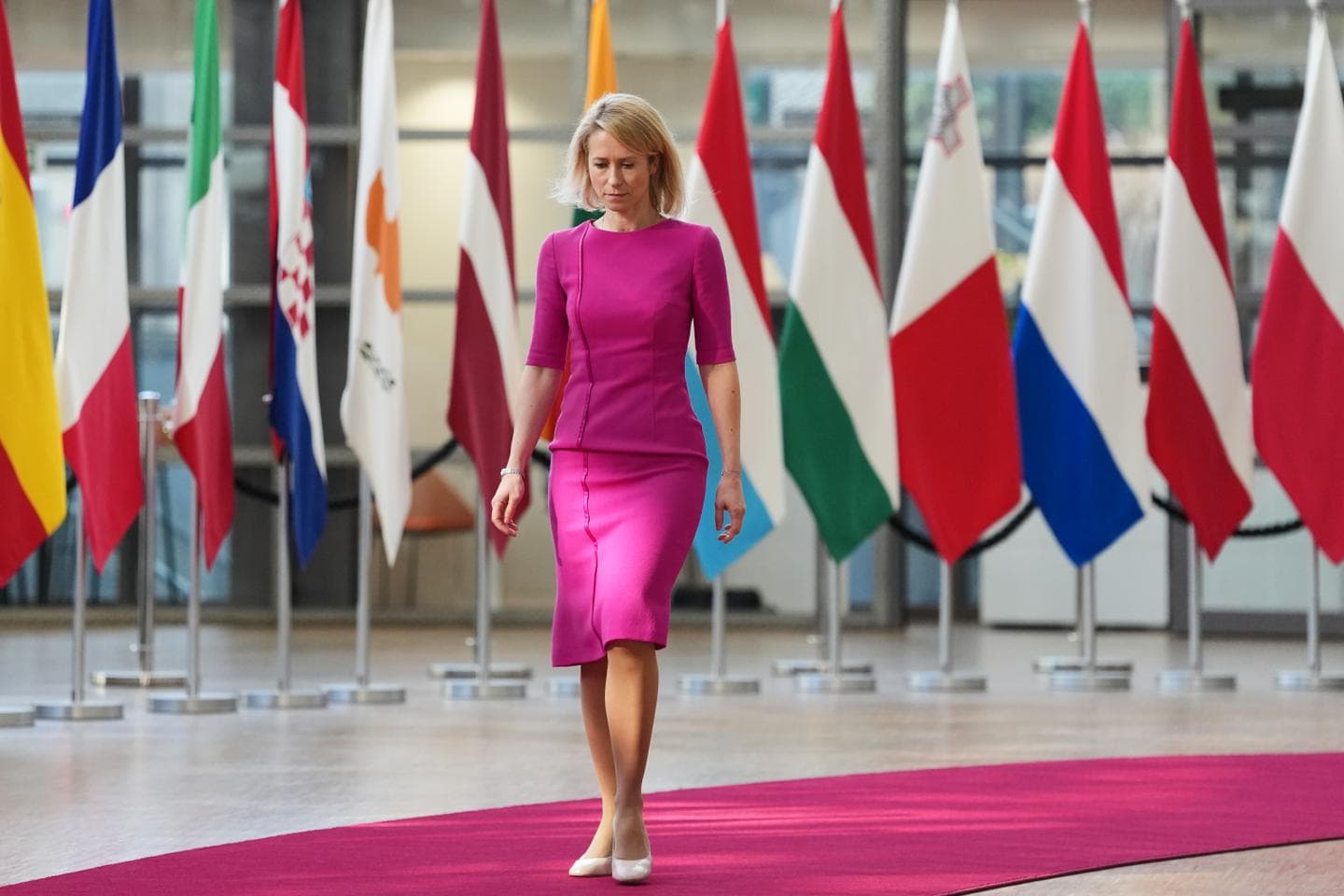
US and Israel Strike Iran, Triggering European Disarray Over Middle East War
Key Takeaways
- European governments were surprised by the weekend U.S.–Israeli strikes on Iran.
- The operation proceeded with little consultation with European allies.
- MEPs call for tougher Iran sanctions amid concerns about escalation.
US-Israel Strike Impact
The coordinated military strikes by the United States and Israel against Iran on February 28, 2026, have sent shockwaves through European capitals.
“Matthias Matthijs is senior fellow for Europe at the Council on Foreign Relations”
The operation, described as a joint military action targeting Iranian destabilizing activities, caught European governments largely unprepared.

The attack has exposed deep divisions in how the Old Continent should respond to escalating Middle East tensions.
European leaders who had hoped to move beyond what many privately described as a humiliating year of 'appeasement' of the Trump administration in 2025 now find themselves facing new strategic challenges.
The attack has not only stunned political establishments but also parliamentary bodies like the European Parliament, which had previously passed numerous resolutions calling for tougher sanctions against Tehran.
European Divided Responses
European responses to the military strikes reveal a continent sharply divided along geopolitical lines.
Western European powers have adopted more cautious and legally critical positions compared to their Eastern counterparts.
The United Kingdom, while initially restricting U.S. use of its Diego Garcia military base in the Chagos Islands, has since reaffirmed that U.S. forces can use the base for regional defense.
France has taken the most legally critical stance, with President Emmanuel Macron warning that military action outside international law risks undermining global stability.
Germany's Chancellor Friedrich Merz has been more sympathetic to the underlying goals of the U.S. and Israel, describing Iran as a major security threat.
Southern vs Eastern Europe
Southern European governments have emerged as some of the most vocal critics of the military strikes.
“Matthias Matthijs is senior fellow for Europe at the Council on Foreign Relations”
Spain's Prime Minister Pedro Sánchez strongly condemned the attacks and refused to allow U.S. forces to use Spanish bases for military operations against Iran.
Italy's government has also raised legal concerns about the strikes, with Defense Minister Guido Crosetto describing them as inconsistent with international law.
By contrast, Poland has framed the conflict primarily through a security lens, with President Karol Nawrocki arguing that Iran's actions pose a broader threat to international stability.
Similar voices of support have come from other parts of Eastern Europe, including the Baltics, the Czech Republic, and Romania.
Strategic Implications
The European disarray over the US-Israel strikes against Iran reflects deeper strategic challenges for the continent.
The lack of a unified European reaction underscores a fundamental reality that Europe faces an increasingly fragmented approach to international security.
This fragmentation comes at a time when European governments had hoped to finally move beyond what many privately described as a humiliating year of 'appeasement' of the Trump administration in 2025.
Chancellor Merz's approach during his Washington visit illustrates the complex balancing act European leaders must perform.
Merz emphasized that Germany intended to work with the United States to prepare for 'what will come the day after' the conflict while staying quiet when Trump criticized European counterparts.
More on Europe

Police Arrest 36-Year-Old Man for Assaulting French Nun at Jerusalem’s Cenacle
15 sources compared
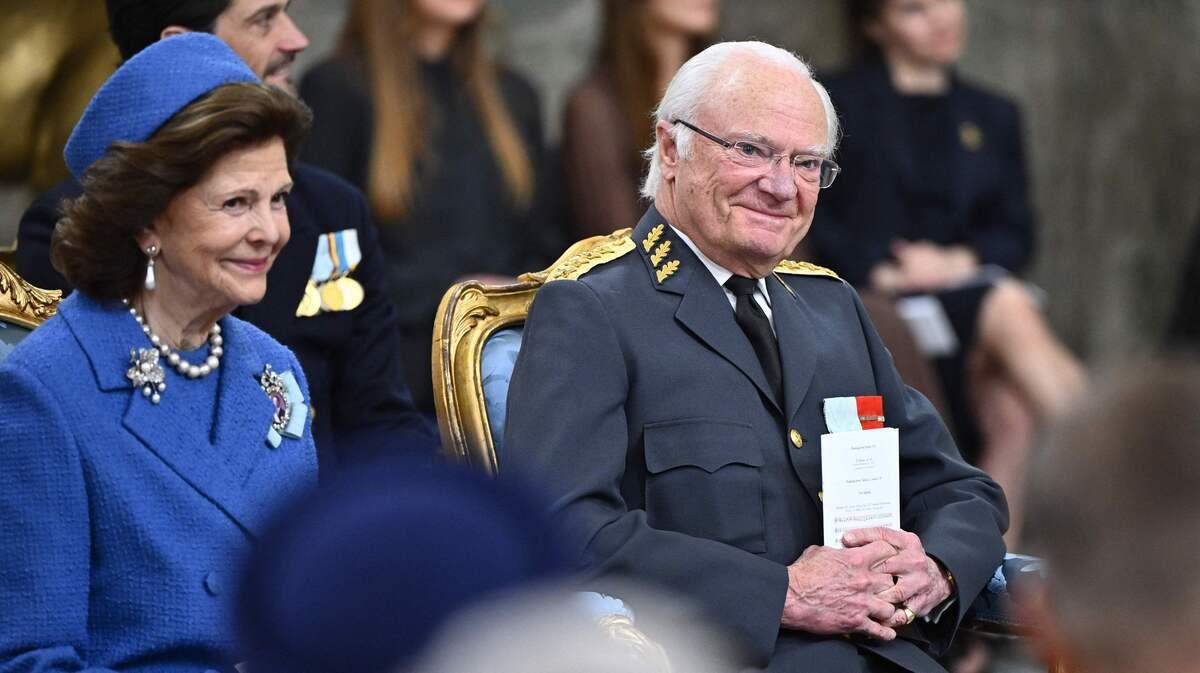
King Carl XVI Gustaf Marks 80th Birthday With Te Deum in Stockholm Royal Palace
13 sources compared
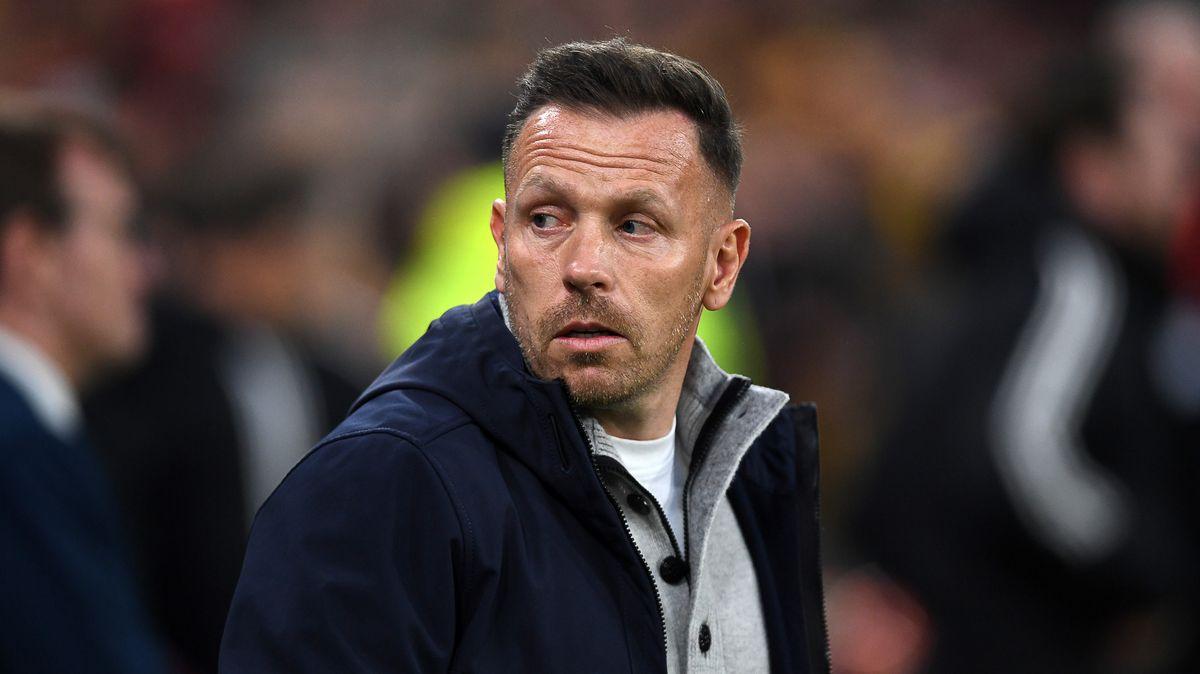
Burnley Targets Craig Bellamy After Scott Parker Leaves by Mutual Consent
10 sources compared

Germany Arrests Kazakh Man in Berlin Accused of Spying for Russia
10 sources compared