U.S. and Israel Wage War on Iran as Gas Prices May Fall Below $3.
Key Takeaways
- Gas prices could drop below $3 per gallon by summer.
- Iran-related energy supply risk anticipated to be removed within weeks.
- Americans are currently facing higher prices but expect relief in coming weeks.
Military Conflict Impact
The United States and Israel have jointly initiated military action against Iran, creating significant disruptions to global energy markets.
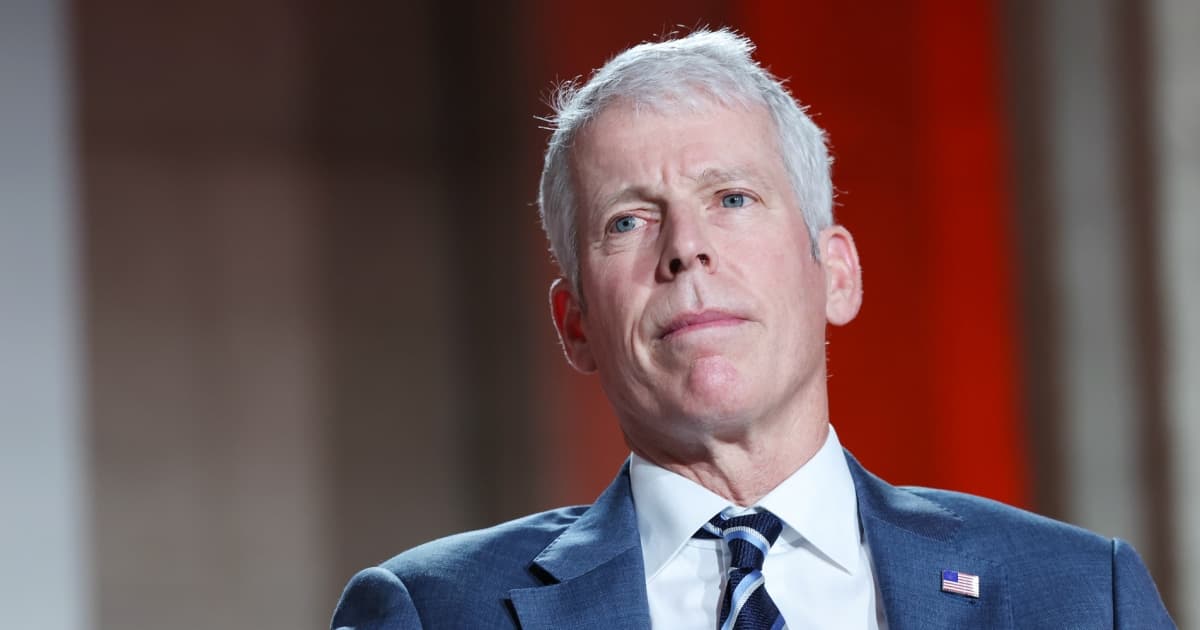
“Energy Secretary Chris Wright said Sunday that there’s “a very good chance” gas prices could drop below $3 per gallon by summer, predicting that in “a few more weeks” the U”
This conflict has emerged amid ongoing tensions in the Middle East, with Iranian leaders vowing to maintain control over the strategically vital Strait of Hormuz.
Energy Secretary Chris Wright acknowledged that Americans are currently feeling the impact of rising gas prices, with the national average jumping from $2.94 per gallon on March 1 to $3.70 by Saturday.
The military intervention has created immediate economic consequences for consumers while the administration projects potential future relief as the conflict progresses.
Price Projections
U.S. energy officials are projecting significant relief for American consumers once the conflict concludes.
Energy Secretary Chris Wright expressed optimism that gas prices could fall below $3 per gallon before the summer travel season.
Wright made this prediction during a Sunday appearance on NBC News' 'Meet the Press,' stating that Americans will continue to feel the impact of rising prices for 'a few more weeks' before the situation stabilizes.
The administration's energy strategy appears focused on achieving a post-conflict landscape described as 'more abundant in energy, more affordable in energy, and less risky for American soldiers and commerce in the Middle East.'
Market Instability
Global energy markets are experiencing significant turbulence as oil prices continue to climb amid Iran's vow to maintain control over the Strait of Hormuz.
“Energy Secretary Chris Wright said Sunday that there’s “a very good chance” gas prices could drop below $3 per gallon by summer, predicting that in “a few more weeks” the U”
Energy Secretary Chris Wright confirmed that the strategic waterway is currently not safe for commercial shipping, stating 'No, no it is not,' when asked about the current situation.
Iranian leaders have explicitly vowed to keep the strait closed as part of their response to the joint U.S.-Israeli military action.
The administration has identified making the Strait of Hormuz safe for reopening as 'one of the objectives at the end of this conflict,' highlighting the central role of maritime security in the broader strategic calculus of the military operation.
Administration Messaging
President Donald Trump has taken a notably dismissive approach to concerns about rising gas prices, downplaying consumer anxiety during a Saturday phone call with NBC News.
The president confidently predicted that prices 'will go lower than they were before' and claimed to have previously achieved 'record lows' during his administration.
Trump characterized the current market situation as temporary, explaining that 'there's so much oil, gas — there's so much out there, but you know, it's being clogged up a little bit.'
This optimistic assessment contrasts with the more cautious tone from Energy Secretary Wright, who acknowledged that while there's 'a very good chance' gas prices will fall below $3 per gallon, he emphasized that 'there's no guarantees in war.'
Strategic Objectives
The ongoing U.S.-Israeli military operation against Iran is being framed by administration officials as having broader strategic objectives beyond immediate military goals.
“Energy Secretary Chris Wright said Sunday that there’s “a very good chance” gas prices could drop below $3 per gallon by summer, predicting that in “a few more weeks” the U”
Energy Secretary Wright described the post-conflict vision as creating a world that is 'more abundant in energy, more affordable in energy, and less risky for American soldiers and commerce in the Middle East.'
This suggests that the military intervention aims to reshape the regional energy landscape while reducing American military exposure in the Persian Gulf.
However, critics argue that this strategy carries significant risks, including prolonged conflict and unpredictable Iranian responses that could further destabilize global energy markets.
More on USA

Trump Threatens to Delay Xi Summit If China Fails to Defend Strait of Hormuz
12 sources compared

White House Chief of Staff Susie Wiles Has Early-Stage Breast Cancer, Trump Says
13 sources compared

Trump Urges Beijing to Secure Hormuz Strait as Australia Rejects U.S. Naval Escort Mission
32 sources compared

Trump Threatens to Delay Xi Summit Over Iran War and Strait of Hormuz
21 sources compared