Iran28 March, 20262 min read
U.S. Appears To Have Dropped BLU-91/B Scatterable Anti-Tank Mines Near Shiraz Missile Base
U.S.-made BLU-91/B scatterable anti-tank mines reportedly deployed near Shiraz, Iran. Iranian state media say several people were killed by the incident.
14 outlets told this the same way.
New development: geolocated US mines
U.S. Appears To Have Dropped Anti-Tank Scatterable Mines Near Shiraz, Bellingcat And Iranian Media Say. The single most important new development is the geolocation and identification by Bellingcat and corroborating experts that U.S.-made BLU-91/B scatterable anti-tank mines were dropped near Kafari, a village just outside Shiraz, adjacent to what Iran calls a missile city.
“The images appeared to show US-made anti-tank landmines.”
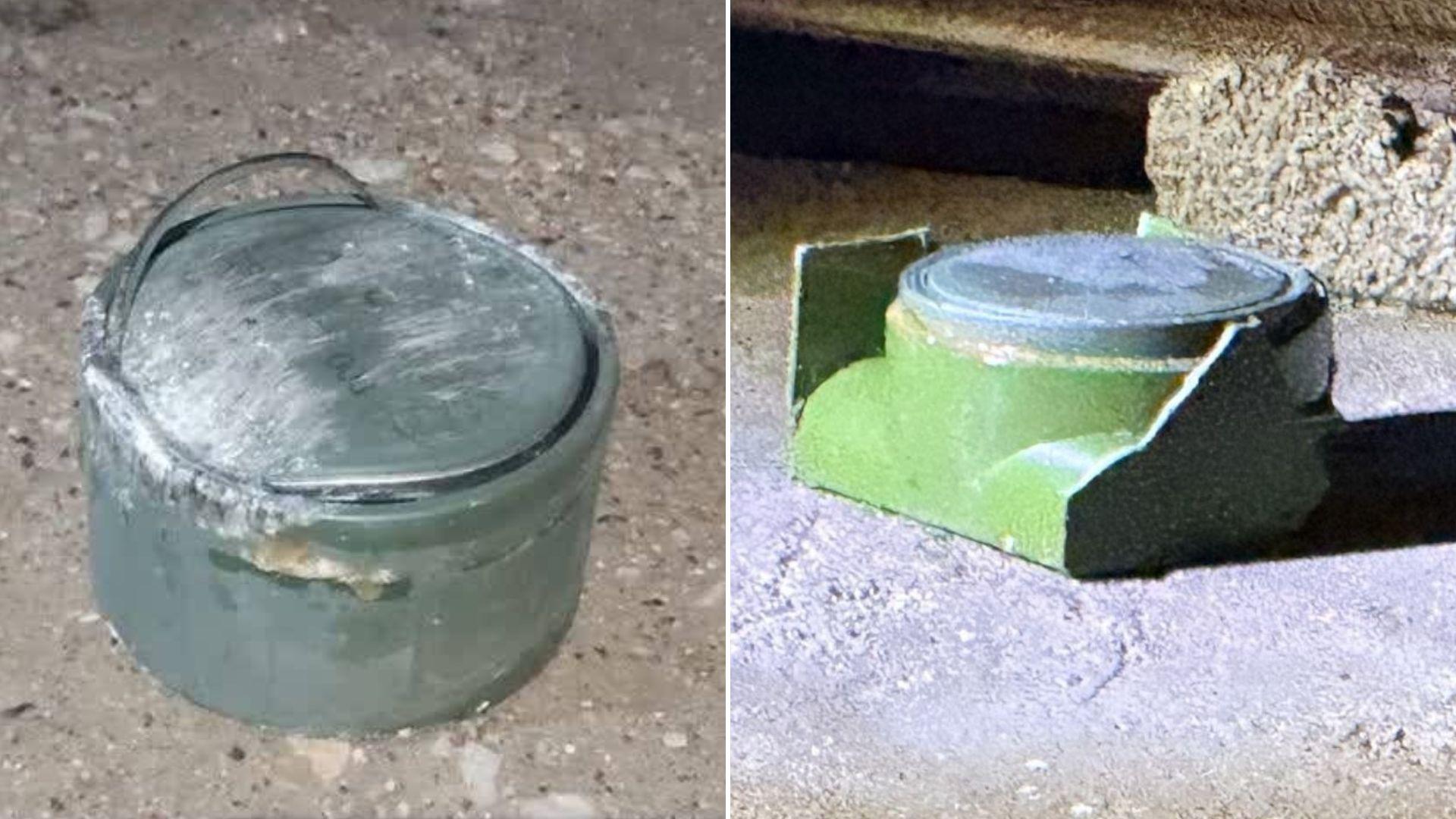
The munitions are identified as BLU-91/B mine components of the U.S. Gator dispersal system, with open-source analysts noting the aeroballistic adaptors that indicate air-delivery.
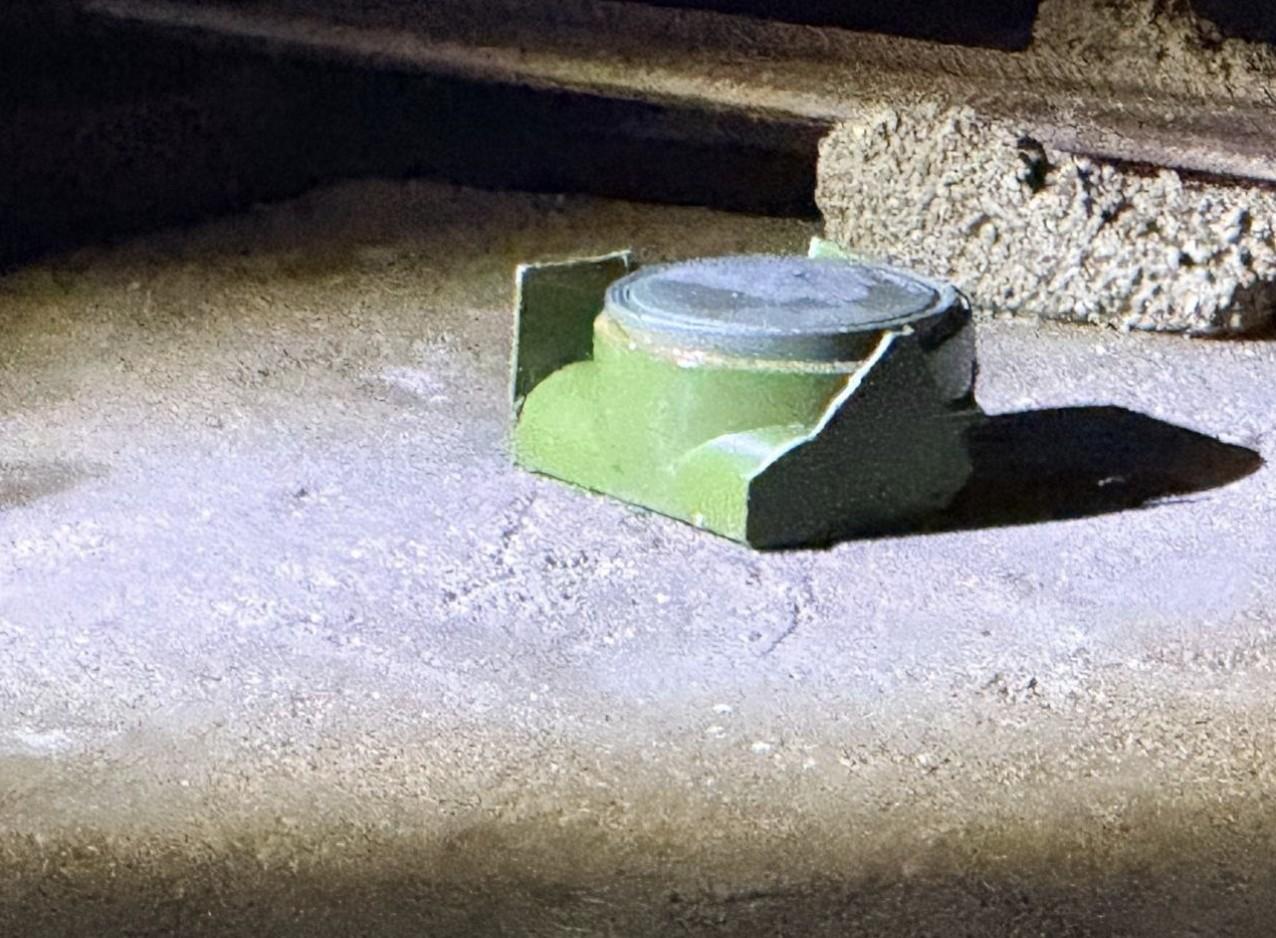
Three independent experts cited by Bellingcat said the devices matched BLU-91/B mines, and Bellingcat geolocated several to Kafari, about two kilometers from the entrance to Shiraz South Missile Base.
Iranian state media reported deaths in the area, and Western outlets have connected the event to a broader air campaign against Iran’s missile facilities.
Analysts warn this could mark the first use of this U.S. system in more than two decades, raising questions about risks to civilians and longer-term mine contamination.
Aim: deny missile-access routes
AIM AND MOTIVE: AREA-DENIAL AROUND MISSILE FACILITIES. Jenzen-Jones told Bellingcat the munitions were deployed to 'deny vehicles access to or from 'missile cities'. The War Zone describes an 'area-denial campaign around specific missile facilities' that could reduce the threat from mobile launchers.
Iranian and Western outlets note the proximity to Shiraz South Missile Base, with geolocated mines about two kilometers from the entrance. The United States is the only actor in this conflict known to possess the Gator scatterable system.

Verification and diverse coverage
VERIFICATION AND CROSS-REGIONAL COVERAGE. The War Zone notes that it cannot independently verify the provenance of the images. The New York Times has verified the location of these mines but has not been able to determine when and how they were dispersed — or by whom.
“Bellingcat cited three independent weapons experts as saying the munitions shown by Iranian state media appeared to be BLU-91/B mines.”
Türkiye Today cites three independent experts identifying the munitions as BLU-91/B mines. CBS News notes that Bellingcat cited three independent weapons experts as saying the munitions shown by Iranian state media appeared to be BLU-91/B mines.
Casualties and civilian danger
CIVILIAN RISK AND CASUALTIES: UNKNOWNS AND WARNINGS. TRT World reports that at least one person has been killed and several wounded by the devices. CBS News notes that Iranian state TV said several people were killed by the devices.
The War Zone references reports of the ‘martyrdom of several people’ in the areas where the mines appeared. UNN reports at least one person killed and several injured.
Legal and humanitarian stakes
LEGAL, HUMANITARIAN, AND GEOPOLITICAL IMPLICATIONS. The New York Times notes that BLU-91/B mines are part of cluster munitions, which are banned by more than 100 countries, raising international-law concerns about civilian harm and long-term contamination. CBS News cites experts warning that these mines can detonate hours or days after deployment and may explode if disturbed, underscoring long-tail civilian risks.
TRT World quotes Amnesty International’s Brian Castner warning that such weapons are 'extremely dangerous to civilians.' The War Zone suggests the broader strategic significance, noting that a genuine area-denial campaign around missile facilities could mark a shift in how the conflict is fought.