
U.S. Attacks Iranian naval vessels and drones near Strait of Hormuz.
Key Takeaways
- U.S. warplanes and attack helicopters targeted Iranian fast-attack boats and drones near Strait of Hormuz.
- It forms part of a multi-stage Pentagon plan to reopen the Strait of Hormuz.
- The effort targets Iranian naval vessels, drones, and missiles threatening uninterrupted shipping.
Military Escalation
The United States has launched an intensive military campaign against Iranian naval vessels and drones near the Strait of Hormuz.
“Caine did not quantify how many fast-attack watercraft A-10s had struck”
U.S. warplanes and attack helicopters are actively 'hunting and killing' Iran's fast-attack watercraft operated by the Islamic Revolutionary Guards Corps (IRGC).
Gen. Dan Caine, chairman of the Joint Chiefs of Staff, confirmed these operations are targeting Iranian naval assets.
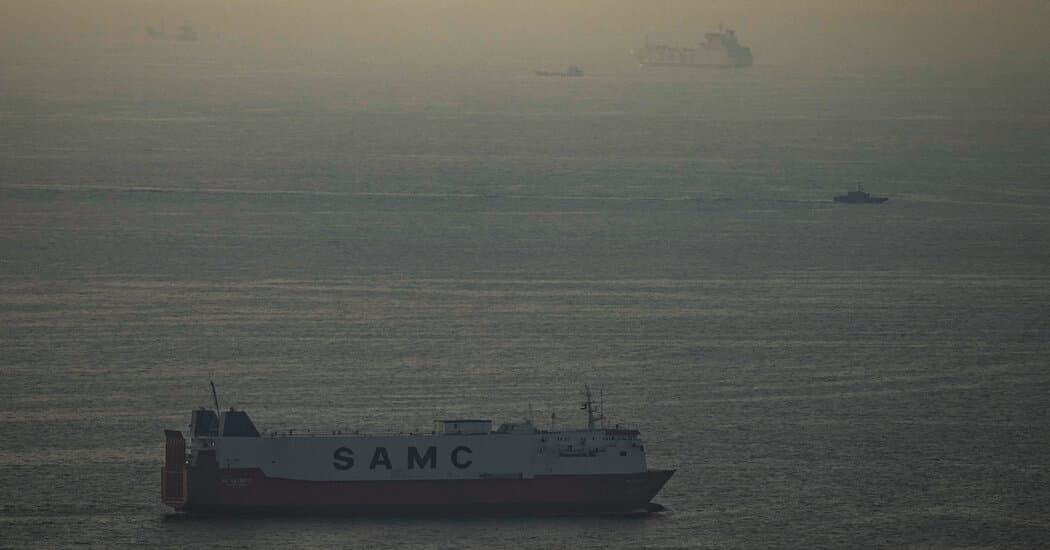
The military operations represent a concerted effort to reopen the strategic chokepoint, which handles approximately 20% of global oil exports.
The waterway has been nearly completely disrupted since early March due to Iranian attacks and threats.
The conflict has already sent shockwaves through global energy markets, with oil prices rising above $100 per barrel.
Saudi officials warned that if the war continues into late April, prices could surge to $180 per barrel.
Aircraft Arsenal
U.S. military forces are employing a diverse arsenal of aircraft and munitions in their campaign against Iranian naval assets.
The aging A-10 Warthog ground attack aircraft has been deployed specifically for Operation Epic Fury.

These aircraft are armed with 30mm Gatling cannons capable of firing over 3,900 rounds per minute.
A-10s are also equipped with AGM-65 Maverick missiles and APKWS laser-guided rockets.
AH-64 Apache helicopters have been deployed to counter Iranian one-way attack drones.
Some regional allies are also contributing Apache helicopters to the operation.
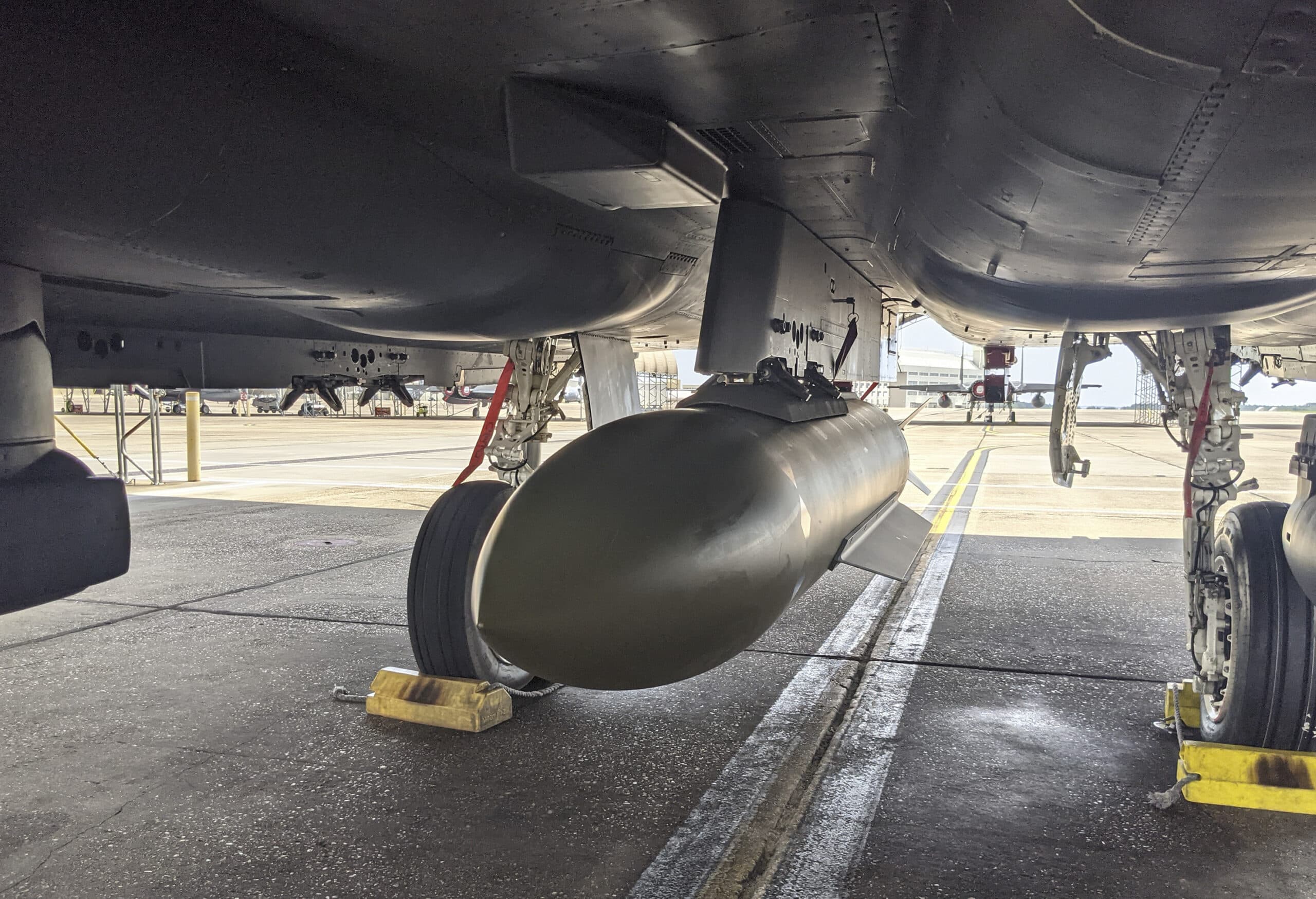
The U.S. has utilized advanced GBU-72 deep penetrator munitions to attack Iranian missile sites.
Humanitarian Impact
The Iranian blockade of the Strait of Hormuz has created a severe humanitarian crisis.
Approximately 20,000 sailors are stranded aboard roughly 3,200 vessels in the strait according to AFP reports.
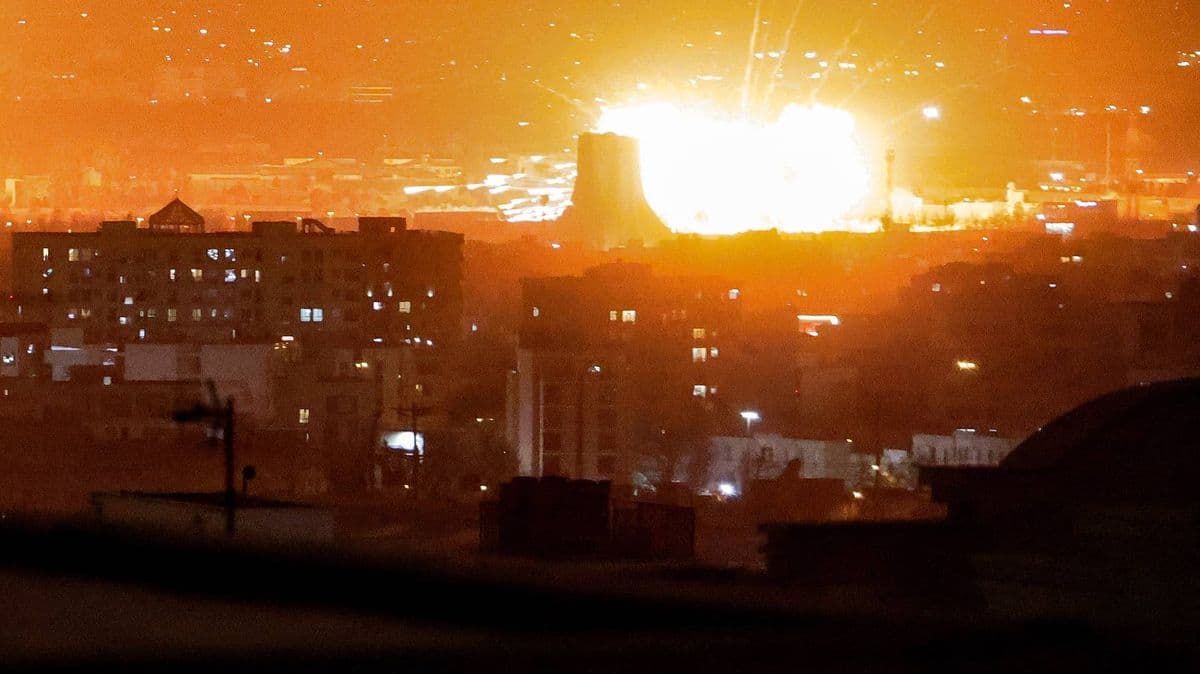
The disruption has caused widespread damage to energy infrastructure across the Gulf region.
Bahrain reported a fire at an energy facility following falling debris from an Iranian strike.
Kuwait confirmed that drones hit a refinery at the port of Al-Ahmadi, causing a blaze.
European powers and Japan are considering additional steps to stabilize energy markets.
The global economic impact has been significant, with Brent crude briefly surpassing $119 per barrel.
Strategic Options
The Trump administration is considering aggressive military options to pressure Iran.
Plans include seizing or blocking Iran's Kharg Island, which processes 90% of Iran's crude oil exports.

Two sources confirmed that occupying the island has been discussed within the administration.
President Trump announced CENTCOM had struck the island, claiming 'obliterated every military target'.
Trump stated 'one way or another' the U.S. would open the Strait of Hormuz.
The U.S. military claims it has destroyed 120 Iranian naval vessels and 44 mine-laying watercraft.
Secretary of Defense Pete Hegseth confirmed destruction of over 120 Iranian naval vessels.
Expert Analysis
Experts warn that regaining full control of the Strait of Hormuz could take weeks.
“War in theMiddle East Advertisement Supported by Warplanes and attack helicopters are “hunting and killing” Iran’s fast-attack watercraft in contested sea lanes, Gen”
Iran's vast military assets and asymmetric warfare capabilities make the operation complex.
Farzin Nadimy, an Iran defense expert, stated 'it will take weeks to reach a level where safe operations in the strait are possible'.
He added that 'even then, a significant portion of Iran's assets will remain intact'.
The operation has gained urgency with reports of Iranian plans to impose transit fees on ships.
About 2,200 Marines are reportedly on their way to the Middle East.
The amphibious assault ship USS Tripoli, carrying over 2,200 Marines, is also en route to support the effort.
More on USA

Trump Administration Sues Harvard Over Antisemitism, Discrimination Against Jewish and Israeli Students
27 sources compared

President Trump Slams NATO as Cowards as Marines and Warships Head to the Middle East
44 sources compared
Iran Threatens Global Tourist Sites Worldwide
14 sources compared

California Moves to Rename César Chávez Day Amid Sexual Abuse Allegations
14 sources compared