US Begins Naval Blockade of Iranian Ports and Strait of Hormuz, Trump Threatens Iranian Ships
Key Takeaways
- Blockade of Iranian ports and coastal areas took effect at 10 a.m. ET.
- Trump threatened to sink Iranian ships approaching the blockade.
- Oil prices surged above $100 per barrel amid Hormuz tensions.
US-Iran Strait of Hormuz Blockade
The United States began enforcing a naval blockade of Iranian ports and coastal areas on April 15, 2024.
President Trump announced the blockade on Sunday via Truth Social.
The U.S. Central Command clarified that American forces will not impede freedom of navigation for ships transiting to and from non-Iranian ports.
Trump warned that Iranian fast attack ships that come anywhere close to the blockade will be immediately eliminated.
The blockade was met with defiance from Iran, with Parliament Speaker Ghalibaf warning that fuel prices would soar.
The move came after 21 hours of negotiations ended without an agreement.
Global Reactions and Regional Impact
British Prime Minister Keir Starmer said the U.K. was not supporting the blockade.
French President Macron announced plans for a peaceful multinational mission.

Iran responded with threats that no port in the region will be safe.
The International Committee of the Red Cross expressed deep concern over attacks on medical workers in Lebanon.
Oil prices surged above $100 a barrel.
Supply Chain and Economic Consequences
Rahman Textile produced clothing for several European fashion brands.
Both companies said they were deeply saddened by the deaths.
Hessen's compliance team had audited the factory in March.
Rahman Textile owner Faisal Rahman claimed the factory had passed its most recent safety inspection in January.
Clean Clothes Campaign said the audit system was fundamentally broken.
Rahman was being questioned about allegations that emergency exits had been welded shut.
More on Iran
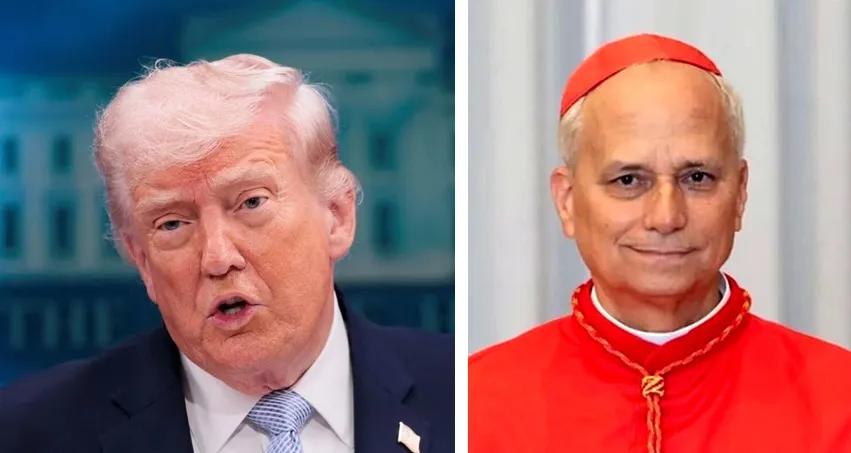
Trump Attacks Pope Leo XIV Over Iran War Criticism, Claims Pope Owes Position To Him
43 sources compared

Turkey Accuses Netanyahu of Seeking to Declare It Israel’s New Enemy
13 sources compared

US Begins Naval Blockade of Iranian Ports in Strait of Hormuz, Trump Threatens to Eliminate Ships
77 sources compared

US Begins Naval Blockade of Iranian Ports, Trump Threatens to Eliminate Attack Ships
54 sources compared