
U.S. Blockade Ships From Iranian Ports Begins Monday as Trump Orders Full Strait Of Hormuz Blockade
Key Takeaways
- Project Freedom aims to reopen Hormuz to shipping, announced by Trump.
- Plans to guide stranded ships through Hormuz; two vessels reportedly guided out.
- Oil prices rose; markets skeptical about plan's effectiveness.
Blockade and talks
The United States said its blockade on ships “entering or departing Iranian ports and coastal areas” would begin on Monday at 10 a.m. Eastern time, while U.S. forces would not impede vessels transiting the Strait of Hormuz. The move came hours after President Trump said the United States would fully block the economically vital waterway, following marathon peace talks in Pakistan that ended without a breakthrough. U.S. Central Command said the action was “in accordance with the President’s proclamation,” and it framed the Strait of Hormuz as a route where it would preserve “freedom of navigation.” Iran’s top negotiator, Mohammad Bagher Ghalibaf, said on social media that the United States had been “unable to gain the trust of the Iranian delegation” in this round of talks.
Project Freedom and risk
Trump’s effort to reopen the Strait of Hormuz through “Operation Freedom” and “Project Freedom” met skepticism about feasibility and safety, with analysts warning it would be “extraordinarily difficult” to neutralize Iran’s capabilities through the waterway. Jennifer Gavito told Bloomberg News that “Being able to take out all of the capabilities that Iran has through that waterway would be extraordinarily difficult,” and she added that it is “essentially impossible.” U.S. Central Command said the operation would include guided-missile destroyers, more than 100 land and sea-based aircraft, multi-domain unmanned platforms and 15,000 service members, while Chairman of the Joint Chiefs Gen. Dan Caine said commercial vessels would “see, hear, and frankly, feel U.S. combat power.” Even as the U.S. said it had opened a passage free of Iranian mines, the plan’s limits were highlighted by the fact that only two U.S.-flagged merchant vessels had made it through, leaving “Hundreds of commercial vessels and as many as 20,000 seafarers” unable to transit during the conflict.
Escalation fears and pause
As tensions rose, the Straits Times reported Brent spiked more than 5 per cent to trade above US$114 a barrel after Trump said the country would guide stranded ships out of the vital waterway, while Iran said U.S. forces would be attacked if they entered the Strait of Hormuz. Iran’s semi-official news agency later said Tehran “redefined the control zone” in the strait, effectively setting out a wider area to regulate shipping in the region. The Guardian said Trump’s initiative was “paused for a short period of time” to see if an agreement with Iran could be finalised, while the blockade of ports would remain in place. The Guardian also described the human stakes of the standoff, saying an estimated 20,000 sailors have been trapped in the Gulf and that concerns about their physical and mental health are growing as they face the prospect of enduring a blistering Middle Eastern summer while at anchor waiting for peace.
“The world is desperate for a solution to break up the oil tanker traffic jam in the Strait of Hormuz”
More on Iran
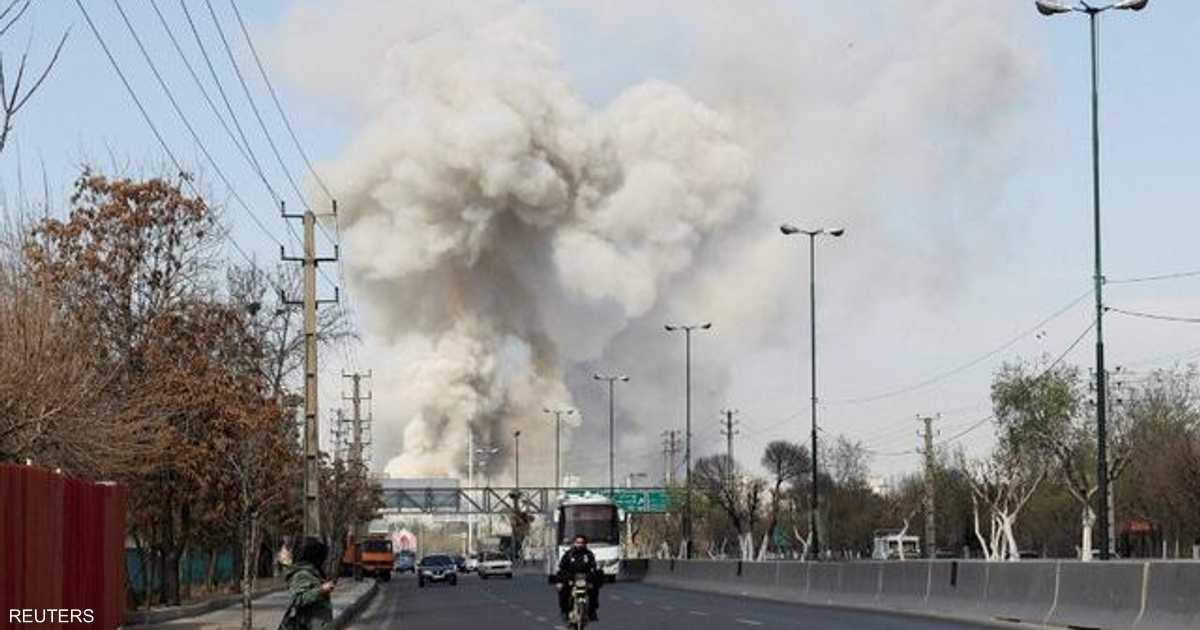
Donald Trump Pauses Project Freedom, Keeps Blockade of Iranian Ports in Place
15 sources compared
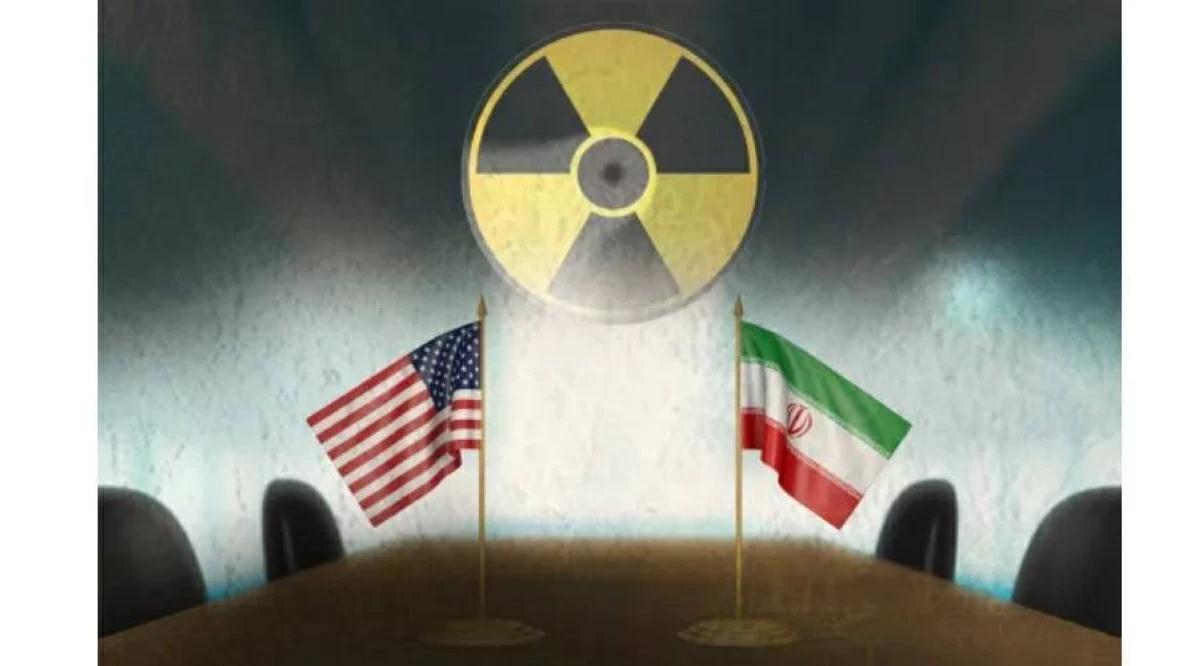
Donald Trump Threatens Bombing If Iran Rejects One-Page War Memo To Reopen Strait Of Hormuz
18 sources compared
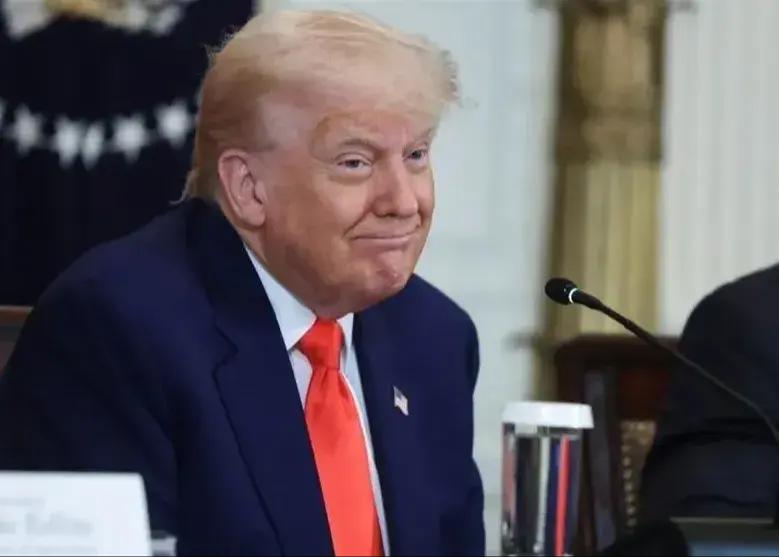
Trump Pauses Project Freedom To Guide Stranded Vessels Out Of Strait Of Hormuz
45 sources compared
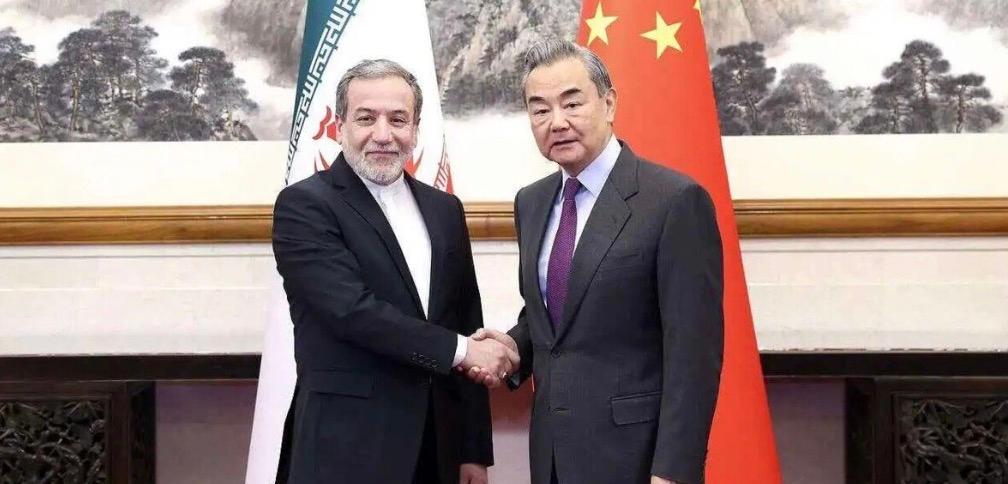
Abbas Araghchi Meets Wang Yi in Beijing as China Presses Iran To Reopen Strait of Hormuz
14 sources compared