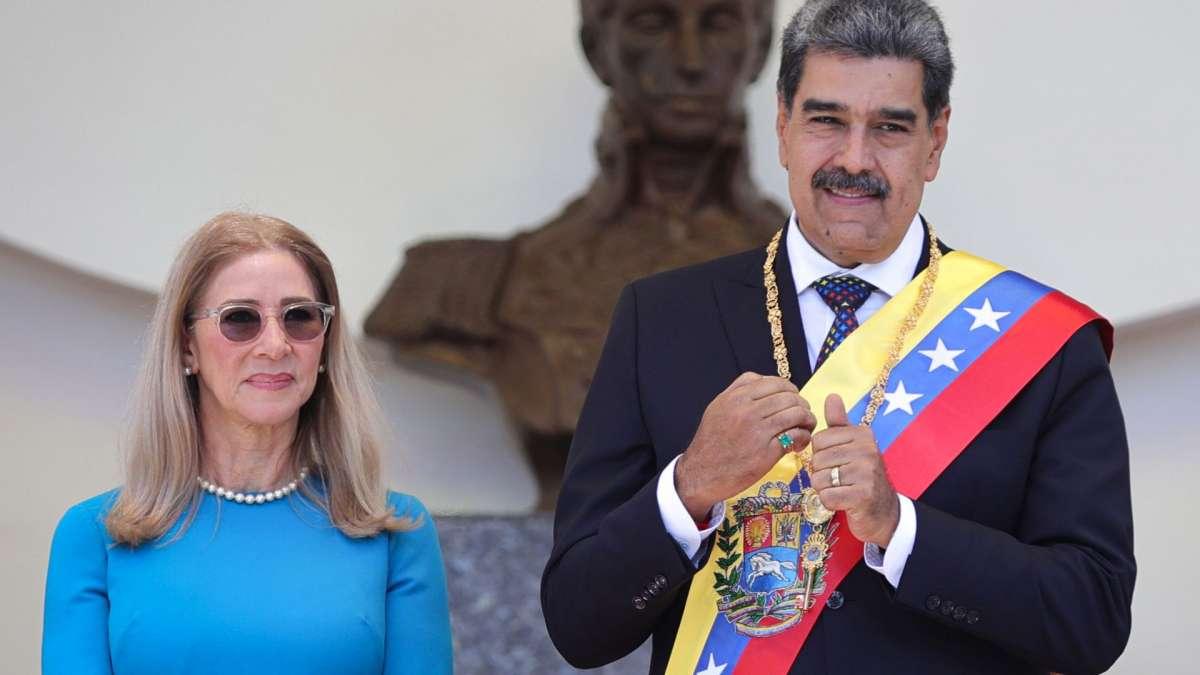
U.S. Captures Nicolás Maduro And Cilia Flores In Caracas Raid, Transports Them To New York
Key Takeaways
- U.S. forces captured Nicolás Maduro and Cilia Flores in Caracas raid.
- Maduro and Flores transported to the United States, en route to New York.
- Indicted in New York on conspiracy to import cocaine.
Maduro capture signals regime-change thrust
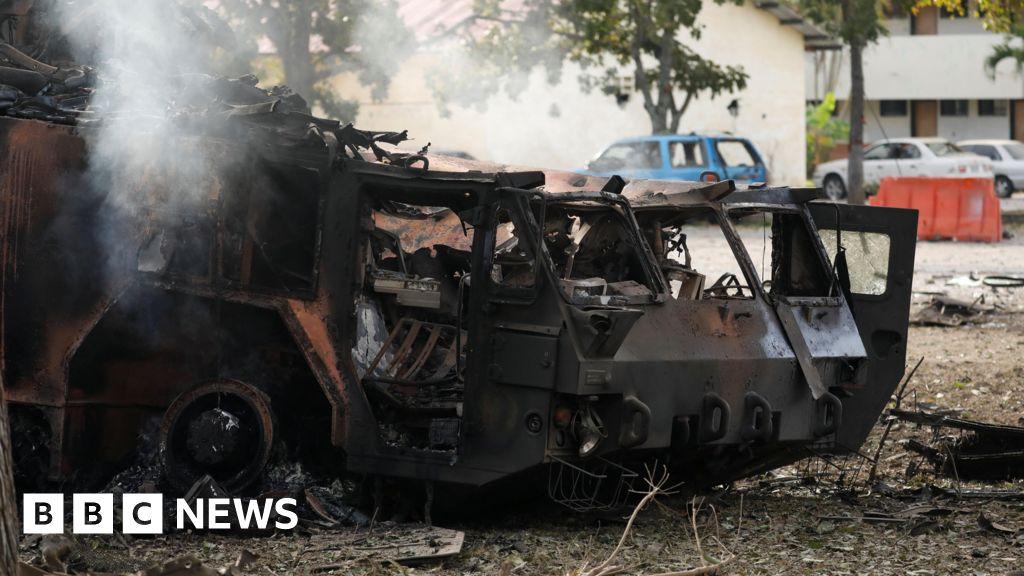
The single most important new development is Maduro and Flores's capture in Caracas during a U.S.-led raid described as a 'large-scale strike,' with the couple reportedly aboard a U.S. warship en route to New York to face criminal charges.
““We are reasserting American power”
An indictment accuses them of a role in narco-terrorism conspiracy, including conspiracy to import cocaine into the United States.
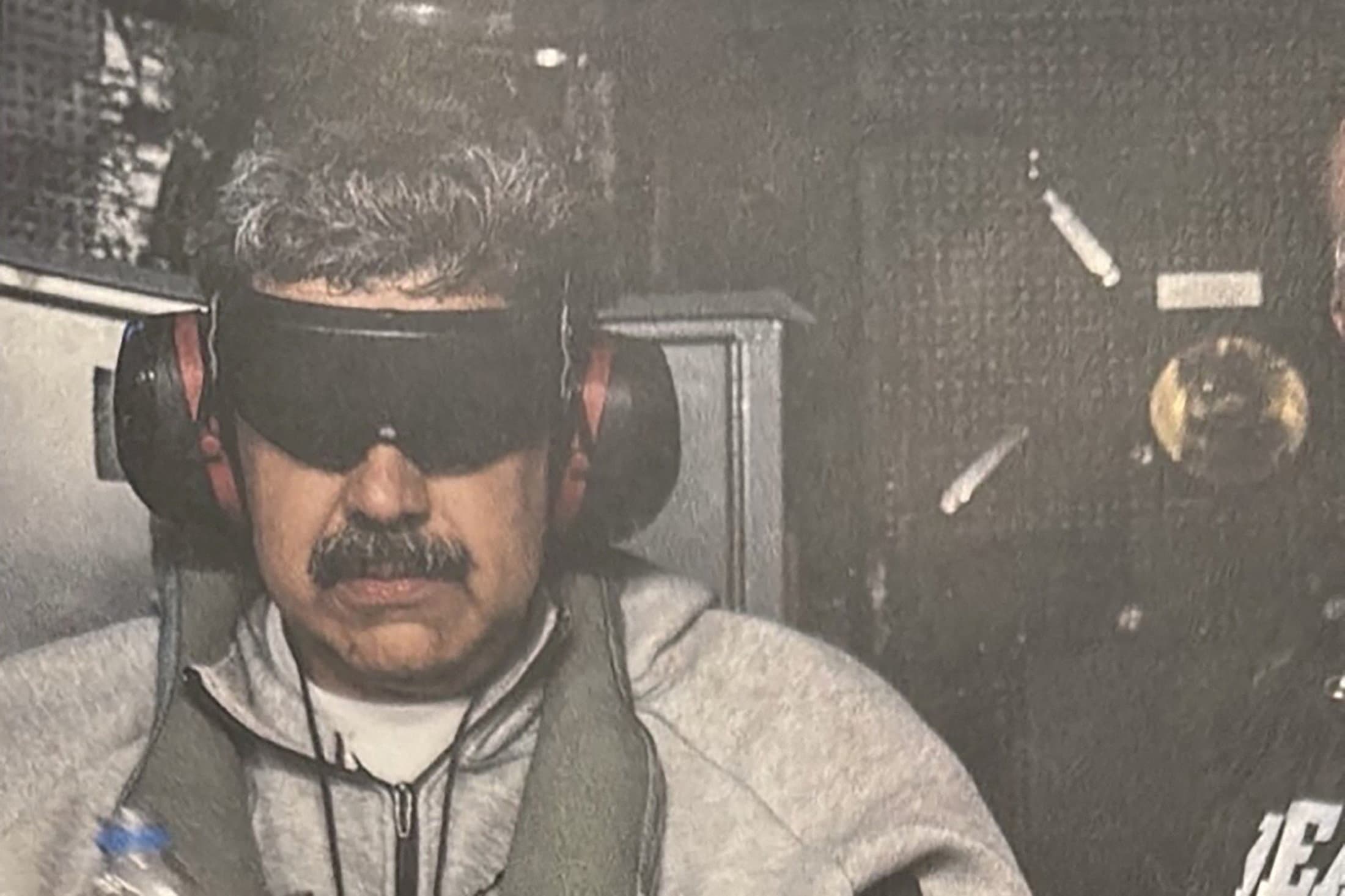
U.S. officials frame the operation as an intervention, not merely an extradition.
Analysts describe the action as the start of a regime-change effort.
Charging Maduro & Flores: who is named, what alleged links
The U.S. Department of Justice has filed charges against Maduro and Flores for conspiracy to narco-terrorism, conspiracy to import cocaine into the United States, and other weapons-related offenses.
The indictment also lists senior chavista figures—including Diosdado Cabello and Ramón Rodríguez Chacín—and describes links to Colombian guerrillas (FARC and ELN), Mexican cartels (the Sinaloa cartel and the Zetas), and Tren de Aragua.
Claims in the filing describe Maduro as central to the alleged drug-trafficking network and allege state resources were used to facilitate shipments.
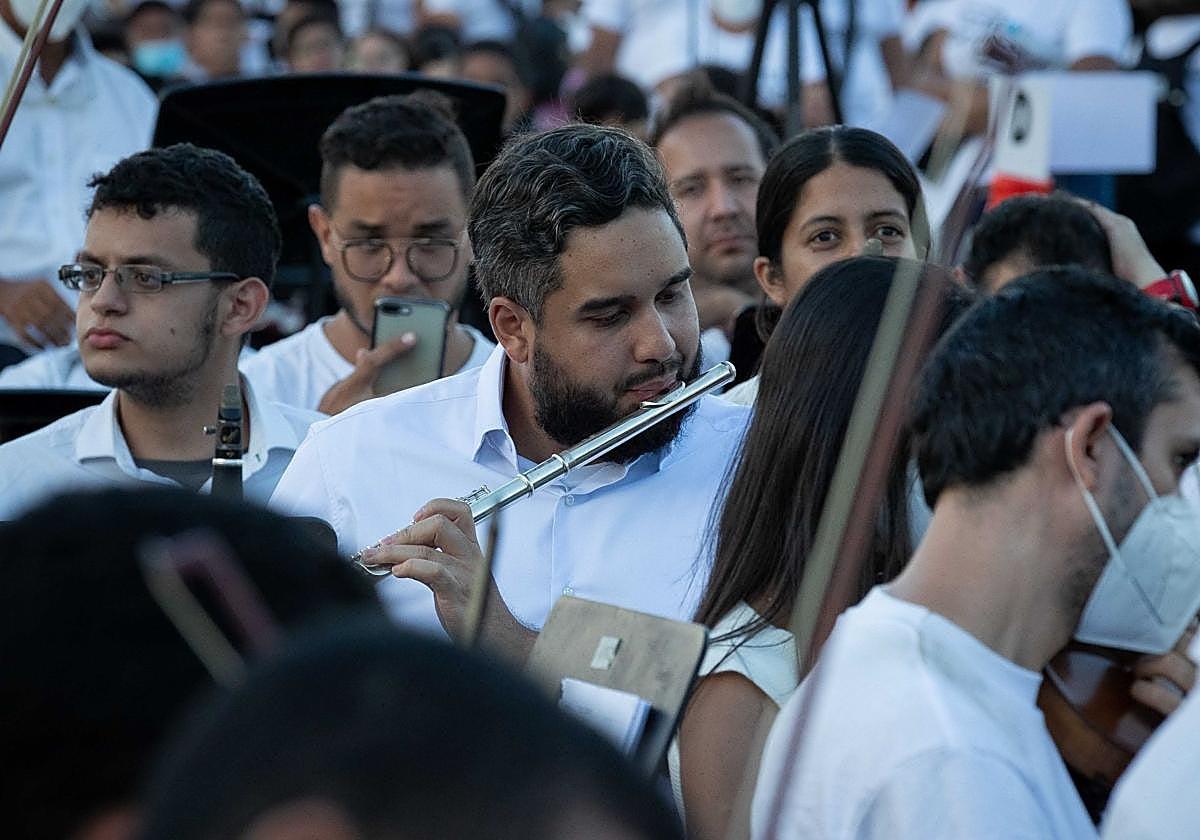
El Correo emphasizes Nicolas Maduro Guerra—Maduro’s son—appearing among those named in the case, underscoring the breadth of the case against the inner circle.
Voz Populi highlights Flores, detained alongside Maduro, as part of a portrayal of her as a central architect of chavismo.
Operational plan and energy-influence aims
The Atlantic Council frames the operation as the start of a more overt U.S. engagement in Venezuela, with a team designated to run the country during the transition.
“The United States filed charges against Nicolás Maduro and his wife, Cilia Flores, who were recently captured by U”
Fortune highlights Trump's stated plan to redeploy U.S. oil majors to rebuild Venezuela’s oil sector and 'start making money for the country.'
Trump described a shift in doctrine, with some outlets noting a move beyond the traditional Monroe Doctrine—some call it the 'Donroe' doctrine.
Non-Western outlets situate the action within a longer history of sanctions and regional power struggles since 2013.
Contextualizing the regional lens
Le Devoir frames the move within sanctions and disputes since 2013, including oil embargo tensions that shape the broader context.
ESPAÑOL argues that Flores's inclusion underscores the systemic, not merely personal, nature of chavismo’s governance.
Voz Populi highlights Flores’s described influence and the portrayal of her as a central figure in the inner circle.
El Correo discusses Nicolas Maduro Guerra as part of the extended leadership network implicated in the case.
BBC notes that some legal experts question the characterization of such strikes as lawful targets within international law.
Future implications and risk
The capture and charges could heighten regional volatility and provoke legal and political contestation over the proper scope of international action.
“For years, Cilia Flores learned to stay quiet when everyone was watching”
PBS describes a broad sequence of U.S. military actions in the region that could complicate diplomacy and human rights considerations.

BBC notes that some legal experts question the legitimacy and targeting of such actions in international law.
Atlantic Council frames this as the start of broader interventions in the region, with the oil sector likely to play a central role.
Fortune emphasizes the oil-dominant logic of the intervention, suggesting long-term U.S. influence over Venezuela’s resources.
More on USA
President Donald Trump Sparks Millions to Join No Kings Rallies Opposing Iran War Policies
49 sources compared
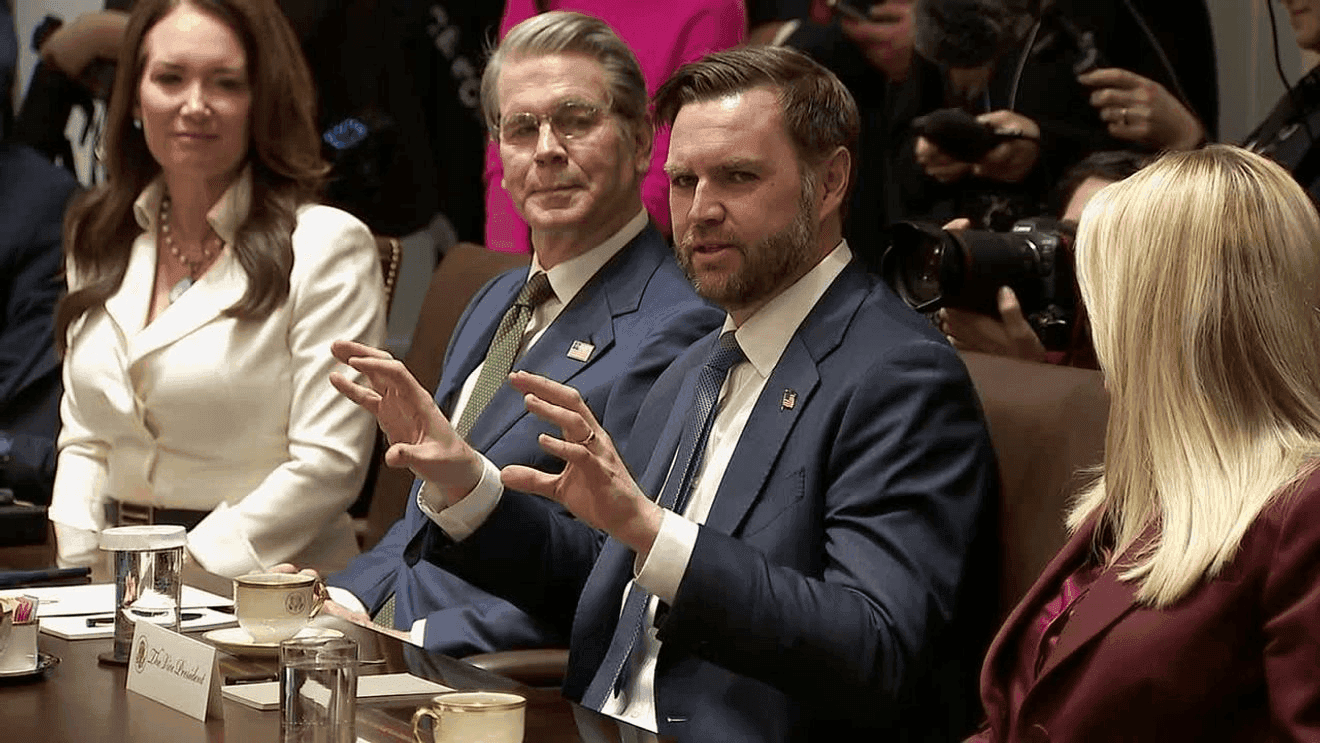
Rubio Surges to 35% Behind Vance's 53% in CPAC 2028 Straw Poll
14 sources compared
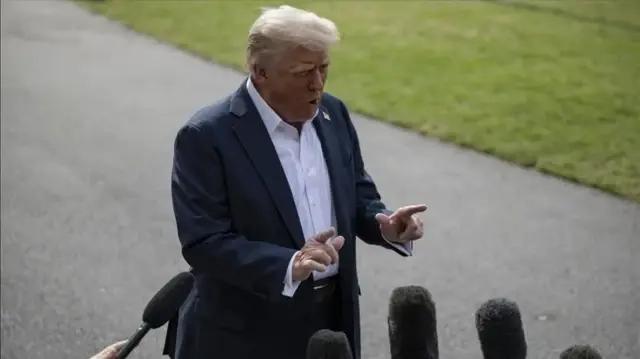
Trump Signals U.S. Could Target Cuba, Hinting at Military Action
12 sources compared
Trump Orders DHS to Immediately Use 'Reasonable Nexus' Funds to Pay TSA Agents
70 sources compared