
U.S. Demands Iran Dismantle Nuclear Program, Halt Enrichment, Cap Missiles, End Proxy Funding
Key Takeaways
- Iran rejects the U.S.-backed 15-point ceasefire plan.
- Pakistan mediates delivery of the 15-point plan to Tehran.
- Iran's counterproposal demands control of the Strait of Hormuz and reparations.
Context: strikes and plan rollout
U.S.-backed strikes in West Asia intensified ahead of Washington’s 15-point ceasefire proposal, transmitted to Tehran via Pakistan as part of back-channel diplomacy.
“Home News Business Energy Opinion Lifestyle Sports Video Podcast Home News Business Energy Opinion Lifestyle Sports Video Podcast Close the sidebar Home News Middle East Iranian Foreign Minister Abbas Araghchi”
The plan would require dismantling Iran’s nuclear program, halting enrichment, capping ballistic missiles, and ending funding for regional proxies.

Iran says it is reviewing the proposal but has no intention of holding talks, framing the messages as exchanges through intermediaries rather than negotiations.
U.S. officials publicly warned they would escalate if Iran refuses to concede, as Washington touted new options including a large contingent of airborne troops in the Gulf.
The Pentagon is planning to deploy thousands of troops, and markets reacted with tentative relief as news of the plan circulated.
Iran’s rejection and five-point demand
Iran rejected the 15-point plan and pressed ahead with a counterproposal that framed its terms as non-negotiable.
A five-point set demanded end to aggression and guarantees against a recurrence of war, compensation for damages, an end to hostilities across all fronts involving allied groups, and Iranian sovereignty over the Strait of Hormuz.

Iranian officials stressed that any ceasefire would occur only on Tehran’s timetable and on terms it alone chose.
They reiterated that there have been no formal negotiations, describing exchanges via intermediaries as messaging rather than dialogue.
Mediators including Türkiye and Egypt were cited as assisting efforts, while some regional actors questioned whether genuine talks were underway.
Markets, energy, and strategic stakes
Markets initially rose after the proposal while oil prices fell, reflecting hopes for de‑escalation.
Analysts noted Tehran’s continued leverage over the Strait of Hormuz as a central bargaining chip.
Iran warned that it could open new fronts if provoked, signaling that energy routes could face renewed disruption.
Troop deployments and ongoing airstrikes added to the sense of fragility around any potential ceasefire.
The exact terms and timing of any talks remained unclear, with exchanges described as messages rather than formal negotiations.
Mediators and regional dynamics
Pakistan’s foreign minister described indirect exchanges via Pakistan as the current channel, stressing there have been no formal peace negotiations.
Türkiye and Egypt were cited as assisting diplomatic efforts, signaling a broad regional mediation network.

Qatar’s role was described as not involved by some Gulf states, underscoring competing regional narratives about who is mediating.
Iran insisted talks would occur only on its terms, reinforcing the view that the process remains a contest of positions rather than a negotiated settlement.
More on Iran

US and Israel Launched War; Americans Demand They Halt Escalation as Gas Fears Rise
15 sources compared
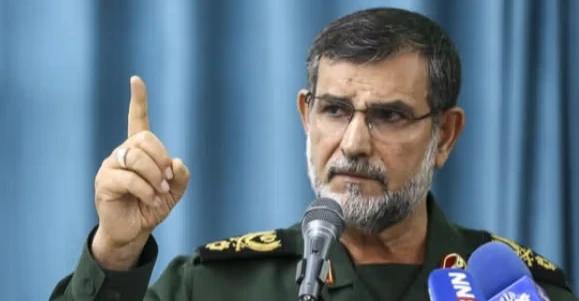
Israel Says It Killed IRGC Navy Commander Alireza Tangsiri In Bandar Abbas Strike
42 sources compared

Pentagon orders 1,000 82nd Airborne troops to West Asia amid Kharg Island seizure talks
13 sources compared

U.S. Prepares to Deploy 1,000 82nd Airborne to West Asia to Seize Airfields
17 sources compared