Iran27 March, 20261 min read
U.S. Fires More Than 850 Tomahawk Missiles in Four Weeks; Pentagon Seeks Rapid Replenishment
This article is an automated aggregation of coverage from news outlets. Our editorials offer in-depth analysis curated by the NewsCord team.
Over 850 Tomahawks fired in four weeks of war with Iran. Pentagon officials alarmed by stock depletion and seeking replenishment options.

Tomahawk stockpiles depleted, alarms
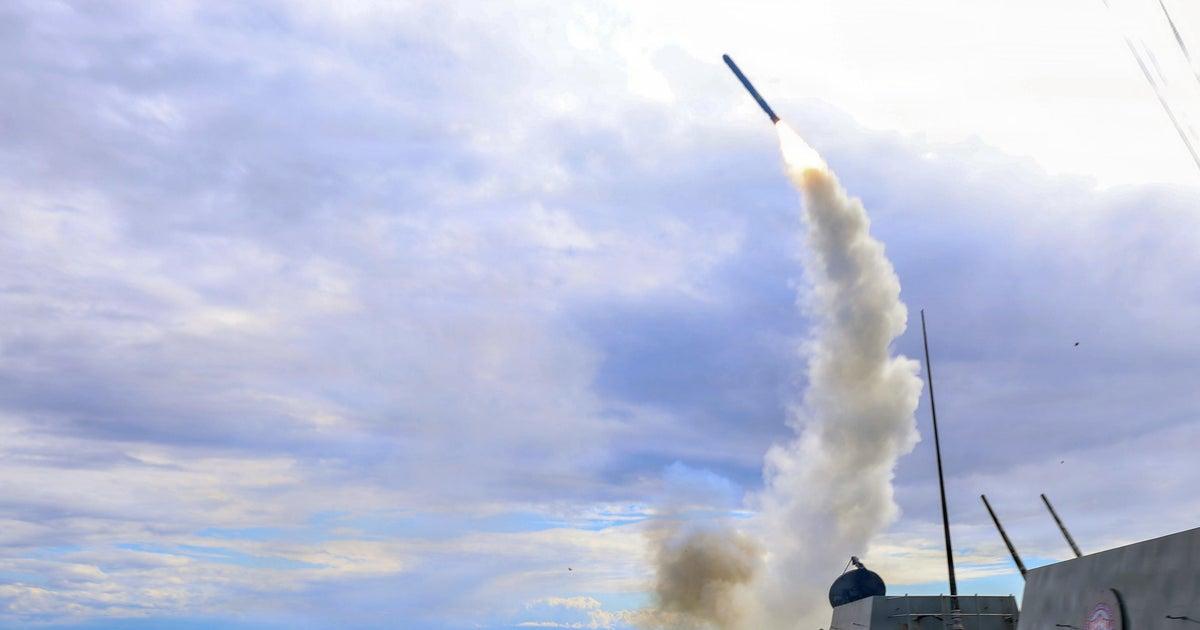
The U.S. has fired more than 850 Tomahawk missiles in four weeks of war with Iran. Pentagon officials describe the rate as alarming and say it has triggered internal discussions about how to replenish stocks.
“The U.S. military has fired more than 850 Tomahawk cruise missiles in four weeks of war with Iran, burning through the precision weapons at a rate that has alarmed some Pentagon officials and prompted internal discussions about how to make more available, said people familiar with the matter.”
Industry reporting notes that production and procurement cannot keep up with usage, complicating future operations. Analysts point to manufacturing constraints and the need for a scalable production path if the conflict endures or widens.
Production limits and stock levels
The War Zone notes that only a few hundred Tomahawks are manufactured each year, creating a supply constraint. Budgets and inventory reporting cited by Western outlets place initial stockpiles in the low thousands, with some estimates around 3,000–3,100 and higher-end discussions of 4,000–4,500. This implies a multi-year replenishment horizon even with ramped-up production and underscores a persistent gap between usage and procurement.
Implications of depletion on strategy
Analysts warn that replenishment could take years, not months, and that stockouts may constrain future options in West Asia and the Pacific. Think-tank assessments cited by Middle East Eye emphasize the risk of prolonged depletion and the potential for escalatory dynamics tied to munitions shortages. Other coverage frames the tension between official stock-sufficiency messages and informant warnings about depleted inventories, highlighting a credibility gap around the Pentagon’s logistics narrative.
“It will likely take at least five years to replenish the 500-plus Tomahawk missiles already fired in the war.”
Non-Western framing and costs
TRT World highlights the depletion narrative and mentions civilian casualty claims tied to Tomahawk strikes. The Independent discusses civilian toll narratives around incidents like Minab, illustrating how escalation and stockouts intersect with humanitarian costs. NDTV and other non-Western outlets situate stock depletion within a broader regional risk frame, underscoring the human costs of sustained long-range campaigns.