U.S. Forces Capture Venezuelan President Nicolás Maduro
Key Takeaways
- U.S. military captured Venezuelan President Nicolás Maduro during a large-scale strike
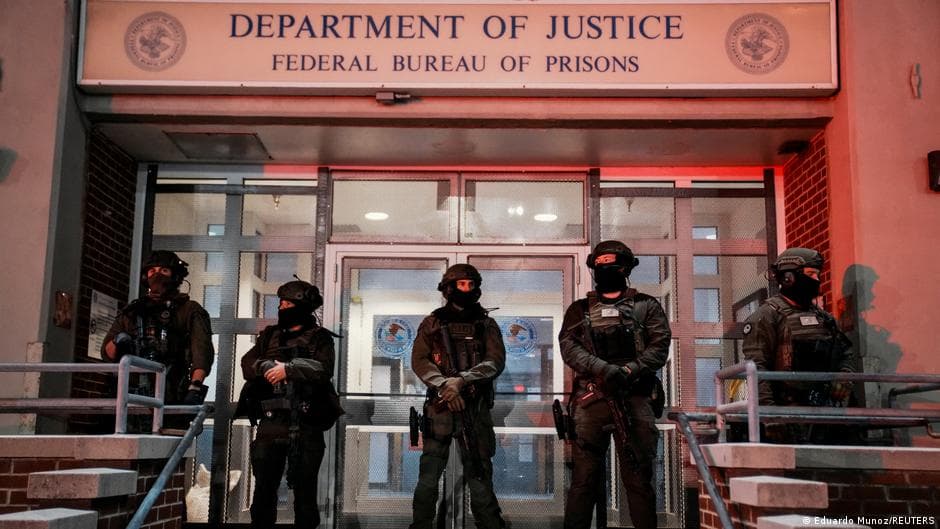
- Maduro and his wife were flown to New York to face U.S. federal criminal charges
- President Trump announced the U.S. would run Venezuela until transition and seek Venezuelan oil concessions
Operation targeting President Nicolás Maduro
U.S. forces carried out a long‑planned operation that reportedly captured President Nicolás Maduro.
“United States President Donald Trump said Washington will "run" Venezuela until a political transition can take place, speaking hours after US forces bombed the South American country and "captured" its president, Nicolas Maduro”
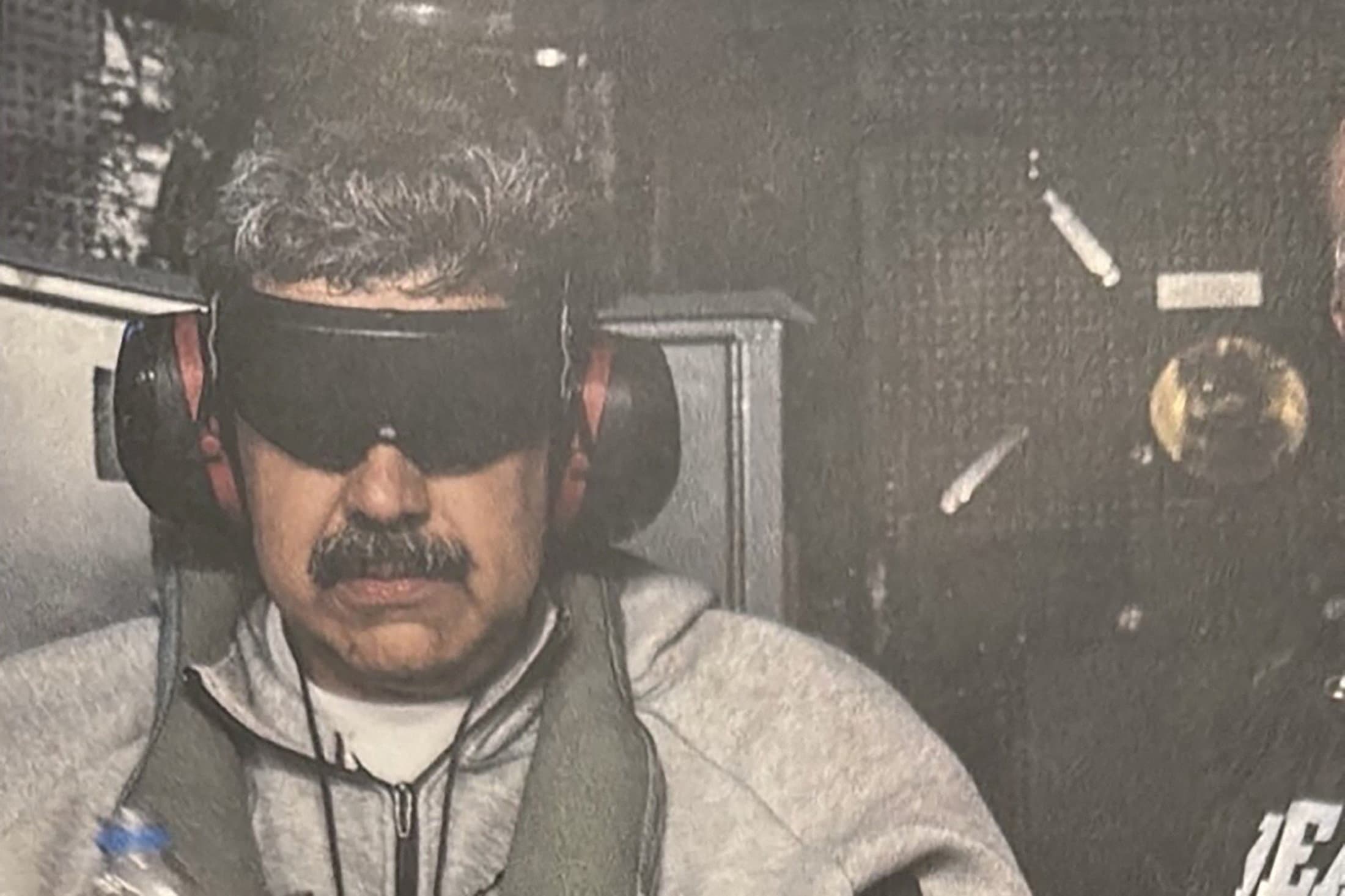
U.S. military leaders said forces had rehearsed an operation for months, studying President Nicolás Maduro’s movements and personal details to make the mission fail‑safe.

Early one morning, multiple explosions — at least seven — and low‑flying aircraft were reported over Caracas.
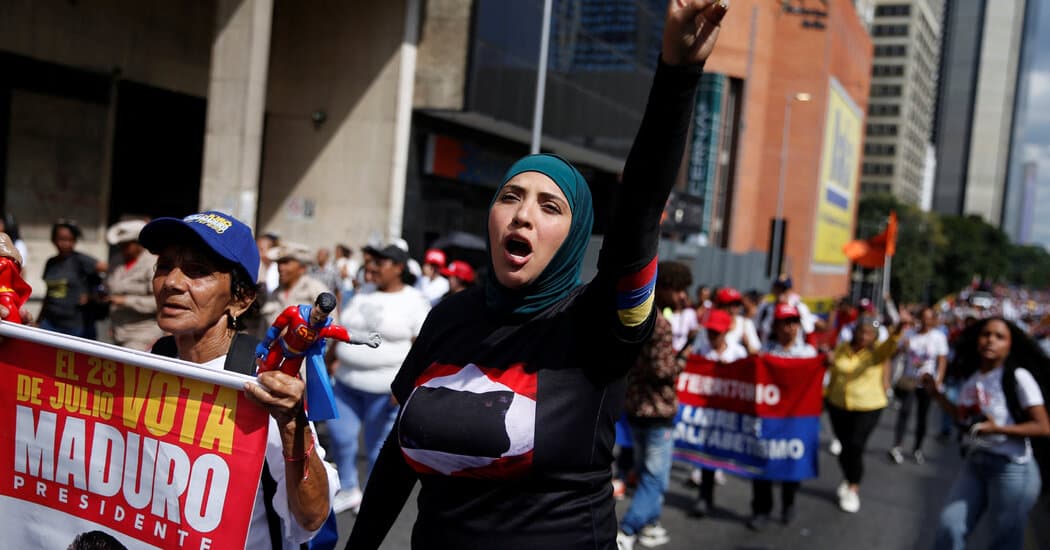
Maduro’s government accused the United States of striking civilian and military sites, called it an "imperialist attack," and urged citizens into the streets.
Local reporting described people rushing out of their homes and then the capital falling unusually quiet with few vehicles and many businesses closed.
International outlets reported the operation as a capture of Maduro.
Trump on Venezuelan oil
President Trump framed the capture as creating an opening for U.S. access to Venezuelan oil and interim administration.
The New York Times reported Trump announced that Venezuelan officials had agreed to send "30 to 50 million barrels of oil to the United States — roughly two months of Venezuela’s daily production."
The New York Times presented that step as part of "Mr. Trump’s plan to exploit Venezuela’s oil reserves under the threat of a naval blockade," and said it was "unclear whether Venezuela will receive any payment or other consideration for the oil."
Radio‑Canada reported Trump likened the operation to past U.S. strikes.
General Dan Caine said the U.S. would "administer Venezuela 'until we can guarantee a safe, proper and sensible transition.'"
NPR quoted Trump saying large U.S. oil companies would be sent to "repair and operate its oil infrastructure" and that the U.S. will run the country "until a proper transition can take place."
NPR also noted that no implementation details were given.
Venezuela leadership dispute
Venezuela’s internal power claims were contested.
In Caracas, the military and judiciary moves named Vice President Delcy Rodríguez as acting leader while other accounts contradicted outside claims.
Sources contradicted each other about whether Rodríguez had actually assumed the presidency.
CBS News reported that the military backed Vice President Delcy Rodríguez as acting president after the apparent capture of Nicolás Maduro.
CBS News said Defense Minister Vladimir Padrino López endorsed a Supreme Court ruling appointing Rodríguez as interim president for 90 days.
CBS News noted Rodríguez has overseen much of the oil-dependent economy and the country’s intelligence apparatus.
Al Jazeera said President Trump claimed Rodríguez had been 'sworn in as president'.
Rodríguez later contradicted that claim in Caracas when she demanded Maduro’s immediate release and reiterated that he is the country’s only president.
Venezuelan officials broadly rejected any negotiation or surrender of sovereignty.
PBS noted that under Venezuelan law Rodríguez would succeed Maduro.
PBS reported she publicly said she did not intend to assume power shortly before the high court ordered her to become interim president.
Reactions to the operation
The operation drew immediate international and domestic controversy and legal concern.
Radio‑Canada described mixed reactions in Canada and noted "accusations that a U.S. naval blockade violates international law" and Mexico’s request that the U.N. intervene.

NPR summarized that "many Democrats called the operation illegal without congressional authorization" even as Republicans praised it, and said several Latin American governments "expressed concern (Colombia has mobilized troops)" while EU and U.K. officials urged restraint.
Al Jazeera quoted critics like former U.S. naval officer Harlan Ullman saying Washington "lacks the capacity and a clear plan" to run Venezuela.
PBS recorded policy signals at home, noting that "U.S. airspace restrictions around Venezuela and the Caribbean were lifted," a move by Transportation Secretary Sean Duffy that suggested further immediate major U.S. action was unlikely.
Airlines moved to resume disrupted service.
Venezuela governance and oil
Significant uncertainties remained about who would govern Venezuela and about what compensation or terms would accompany the announced oil shipments.
“What you need to know - Venezuelan President Nicolas Maduro and his wife have been brought to New York - The couple was captured by US forces during an overnight attack on Venezuela - Maduro has been indicted on 'narco-terrorism conspiracy' charges in the United States - US President Donald Trump says Venezuela will be 'run' by Washington until 'safe' transition - Millions of Venezuelans living abroad have celebrated Maduro's capture - Russia, Iran, Brazil and others have condemned the attack, calling it a 'violation of international law' - UN chief Antonio Guterres says attack has set a 'dangerous precedent' - Germany, the EU, the UK and others have hailed Maduro's ouster and called for elections, while also appealing for international law to be respected These live updates have been closed”
The New York Times noted Trump’s claim that officials had agreed to start sending 30 to 50 million barrels of oil, but said it was unclear whether Venezuela would receive any payment or other consideration and placed the shipment value at about $1.8 to $3 billion.
NPR reported that it remains unclear who will lead Venezuela long term after Maduro’s capture and described opposition figures weighing in, with María Corina Machado hailing Maduro’s removal and urging Edmundo González to assume the presidency while Trump dismissed her prospects.
Al Jazeera emphasized Venezuelan officials’ rejection of surrendering sovereignty and Rodríguez’s public demand for Maduro’s release, highlighting the contested nature of authority on the ground.
More on USA

KC-135 Crashes in Iraq After Apparent Midair Collision, Six Airmen Killed.
28 sources compared

FAA Orders Ground Stops at D.C.-Area Airports Over Strong Chemical Smell at Federal Aviation Facility
10 sources compared

FAA Lifts Ground Stops at DC-Area Airports After Equipment Outage and Chemical Smell
20 sources compared

Judge James Boasberg Blocks DOJ Criminal Probe of Federal Reserve, Deems It Trump Pressure Campaign
15 sources compared