
U.S. Forces Capture Venezuela’s President Nicolás Maduro, Fly Him to New York
Key Takeaways
- U.S. forces arrested President Nicolás Maduro and his wife in a Caracas military operation.
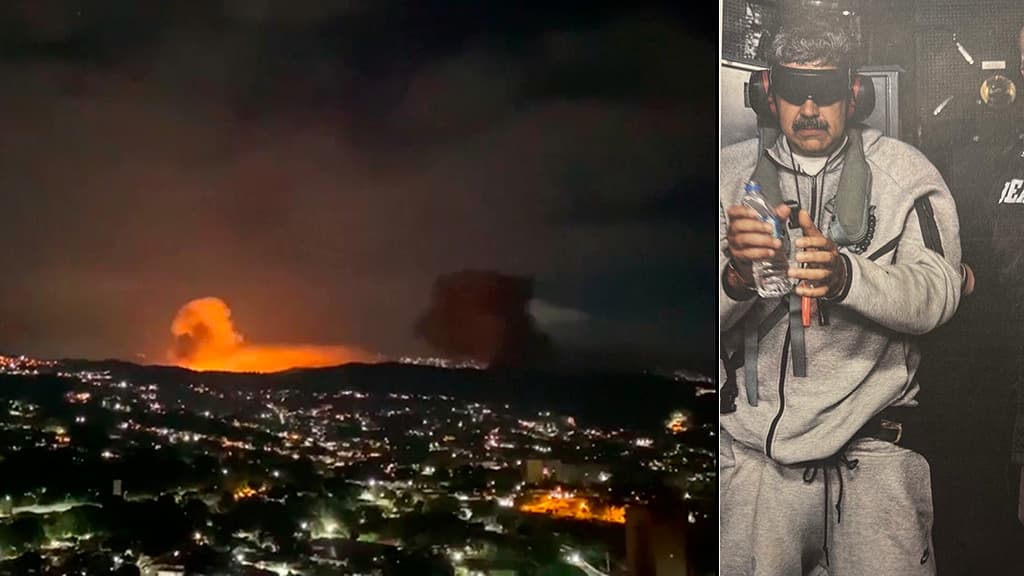
- The operation began with early-morning bombings over Caracas, causing confusion and panic.
- Trump said the United States will take charge of Venezuela until a 'proper' transition.
Maduro capture and transfer
U.S. forces carried out a nighttime military operation in Caracas.
“United States President Donald Trump said that a US military assault succeeded in capturing Venezuelan President Nicolas Maduro and his wife, Cilia Flores, both facing US charges related to cocaine trafficking under newly unsealed indictments”
The operation captured Venezuelan President Nicolás Maduro and his wife, Cilia Flores.

Multiple outlets reported Maduro was seized during a raid and was being moved to New York to face U.S. charges.
Europa Press reported the operation lasted about two hours and 20 minutes and said Maduro was aboard the USS Iwo Jima to be transferred to New York.
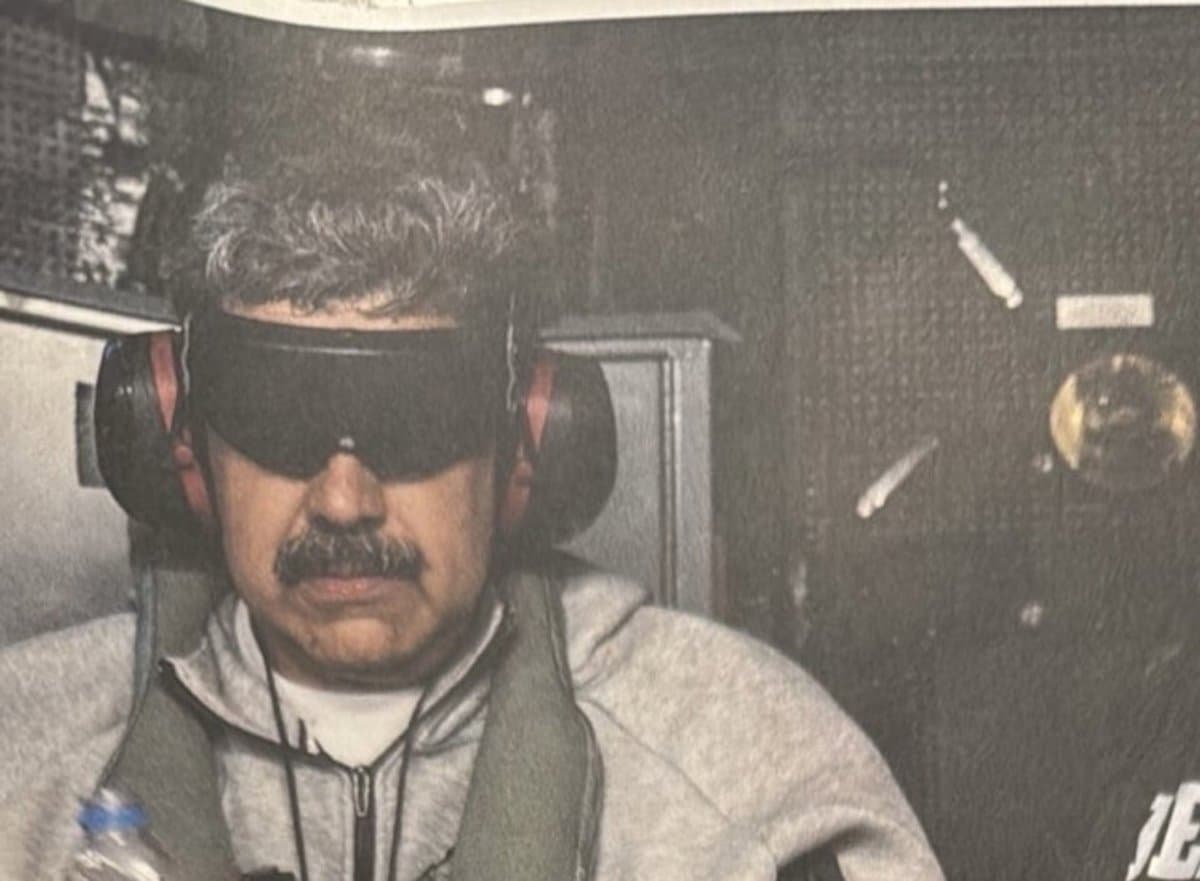
Some outlets described the operation as a nighttime raid in Caracas involving U.S. special operations forces reportedly including Delta Force and released video footage showing Maduro walking on a DEA carpet (OilPrice; Huffington Post).
The New York Times described the events as a raid on President Nicolás Maduro’s compound and his subsequent detention and transfer to New York, where he faces charges including narco-terrorism and conspiracy to import cocaine, and it reported that his wife, Cilia Flores, was also charged.
U.S. maritime strikes
The operation followed an extended campaign of U.S. strikes and interdictions in the Caribbean and eastern Pacific, which U.S. officials framed as counter-narcotics actions but which also produced substantial casualties and damage.
The New York Times summarised escalating "tensions" after "a series of U.S. boat strikes in the Caribbean and eastern Pacific aimed at cocaine trafficking."
Al Jazeera reported that "the Trump administration has carried out at least 32 strikes on vessels in the Caribbean Sea and Eastern Pacific since September, killing about 115 people."
Al Jazeera also noted lawmakers "were apparently not notified in advance of the Venezuela operation."
On the ground in Caracas, outlets described visible damage and attacks on military facilities, reporting "smoke at the La Carlota air base, fire at the Fuerte Tiuna military complex, and severe damage to the port of La Guaira."
Venezuela’s state power company said the U.S. attack "damaged the country’s electrical system."
Maduro: transfer and charges
U.S. officials framed the operation around criminal charges.
“The intervention, which began with bombings over Caracas in the early hours of January 3, was confirmed hours later by U”
Maduro is to face a U.S. Department of Justice indictment alleging involvement in drug trafficking and related corruption.
Europa Press said he is aboard the USS Iwo Jima and is to be transferred to New York to face a U.S. Department of Justice indictment.
Europa Press said the indictment accuses him, his wife Cilia Flores, Interior Minister Diosdado Cabello and his son Nicolás Maduro Guerra of participating in and protecting a corrupt network that collaborated with drug cartels and 'violent narco‑terrorist groups.'
The New York Times noted he faces charges including 'narco-terrorism and conspiracy to import cocaine.'
OilPrice referenced a '2020 Southern District of New York indictment for narco-terrorism and related charges.'
Europa Press described the indictment as alleging officials 'provided police cover and logistical support for cocaine shipments.'
Europa Press said the indictment alleges Maduro sold diplomatic passports to traffickers while foreign minister (2006–2008).
Venezuela political and diplomatic fallout
Domestic political reactions in Venezuela were sharply divided and accompanied by protests and wider regional diplomatic fallout.
Europa Press said opposition leader María Corina Machado hailed the capture and urged the military to back an interim president.
The New York Times described how President Trump's comments and related U.S. strikes drew ire from regional leaders such as Colombia's Gustavo Petro.
Protests followed the operation, with the Huffington Post saying thousands marched in Caracas in the 'Great March for Venezuela' to denounce the capture and about 1,000 anti-Chavista demonstrators protesting in Madrid.
International responses were mixed, with Europa Press listing countries and leaders that both supported and condemned the U.S. action and noting EU calls for respect for international law.
Reactions to Venezuela operation
Observers and markets are weighing immediate damage, legal and diplomatic questions, and the economic implications for Venezuela’s oil sector and regional stability.
OilPrice noted the operation "raises legal and diplomatic questions" and said the country "holds roughly 300 billion barrels of proven oil" and exports "about 800,000–900,000 barrels per day."

OilPrice also reported that PDVSA said production and refining facilities "appear intact for now."
The New York Times reported that Asian markets largely "shrugged off the strikes" even as some indices rose, and Europa Press highlighted concerns that the operation — and reported attacks by "special troops" and air assets — could alter domestic order.
Al Jazeera added skepticism about U.S. justifications for the broader interdiction campaign, noting experts and fact-checkers questioned Presidential claims about drug quantities and asserted that some allegations have "no evidence."
More on USA

KC-135 Crashes in Iraq After Apparent Midair Collision, Six Airmen Killed.
28 sources compared

FAA Orders Ground Stops at D.C.-Area Airports Over Strong Chemical Smell at Federal Aviation Facility
10 sources compared

FAA Lifts Ground Stops at DC-Area Airports After Equipment Outage and Chemical Smell
20 sources compared

Judge James Boasberg Blocks DOJ Criminal Probe of Federal Reserve, Deems It Trump Pressure Campaign
15 sources compared