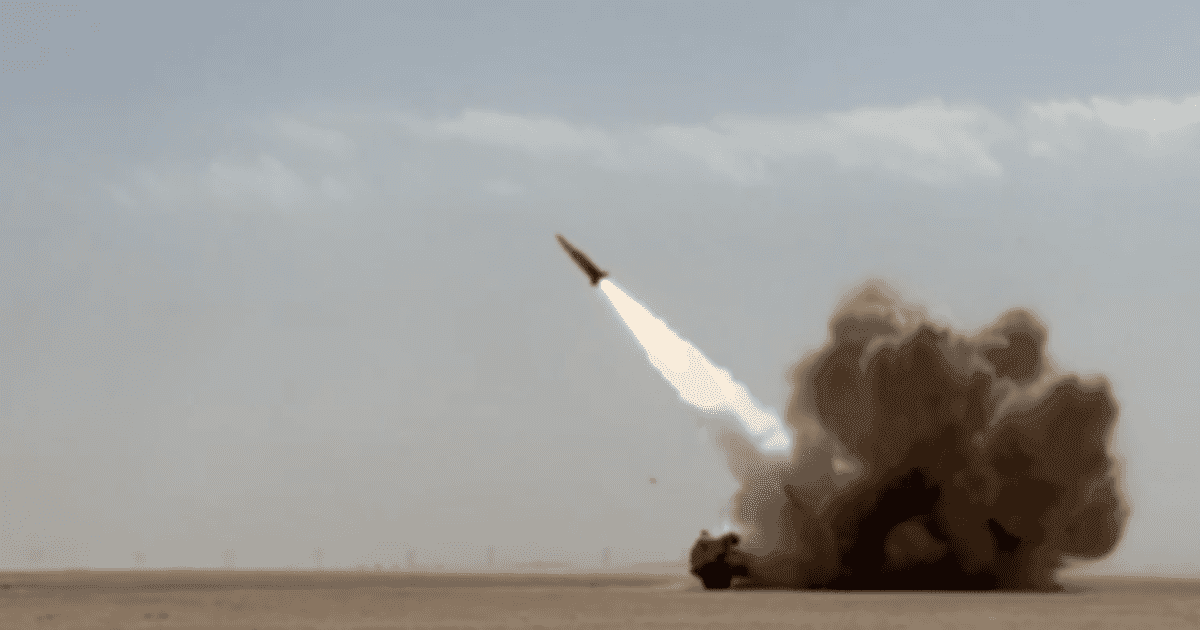
US Forces Use Untested Precision Strike Missile to Bomb Iran School, Kill 21
Key Takeaways
- The US used a PrSM in combat for the first time.
- The strike hit Lamerd, Iran, targeting a gym and an elementary school, killing 21.
- Sources describe the missile as untested in combat and recently entering service.
Untested Missile Used
The US military used the new Precision Strike Missile (PrSM) in combat for the first time.
“SUBSCRIBE TO OUR FREE NEWSLETTER Daily news & progressive opinion—funded by the people, not the corporations—delivered straight to your inbox”
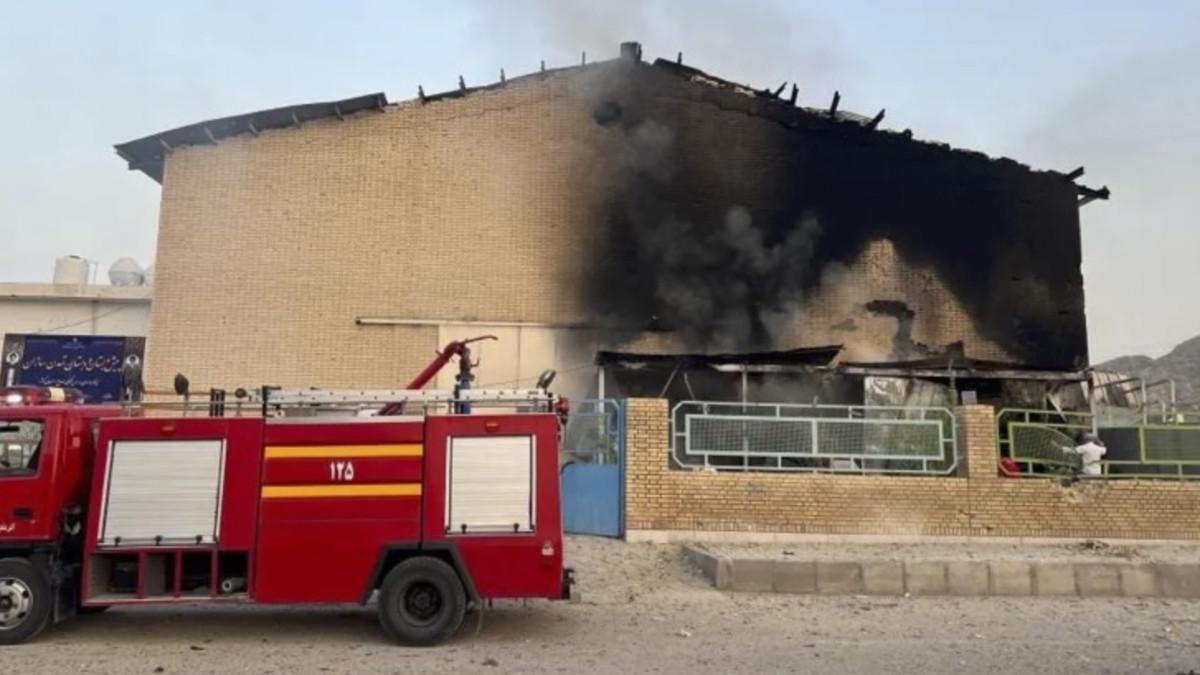
It bombed a sports hall and adjacent elementary school in Lamerd, killing at least 21 people including children.

The PrSM is designed to detonate above its target and blast small tungsten pellets outward.
Minab School Bombing
On the same day, US-Israeli forces bombed the Shajareh Tayyebeh girls' school in Minab.
The strike killed at least 175 people, including more than 100 schoolgirls.

A Pentagon investigation found the US military was responsible.
Missile Specifications
The PrSM is manufactured by Lockheed Martin.
“For the first time, the United States used the latest operational PrSM tactical ballistic missiles launched from M142 HIMARS platforms in its attack on Iran, according to The War Zone's online portal”
It has a range exceeding 499 kilometers.
It disperses small tungsten pellets to maximize damage.
It can be launched from M270 MLRS and M142 HIMARS platforms.
Collateral Damage Debate
The strike hit civilian targets isolated from a nearby IRGC facility.
Questions arose about deliberate targeting versus proximity hits.
Trump sought to deflect blame despite Pentagon confirmation.
More on Iran

Spain Bans US Warplanes, Closes Airspace, Declares 'No' to Iran Strike
21 sources compared

Israel Confirms Iran's Missiles Reach Berlin, Paris, Rome After Diego Garcia Strike
17 sources compared
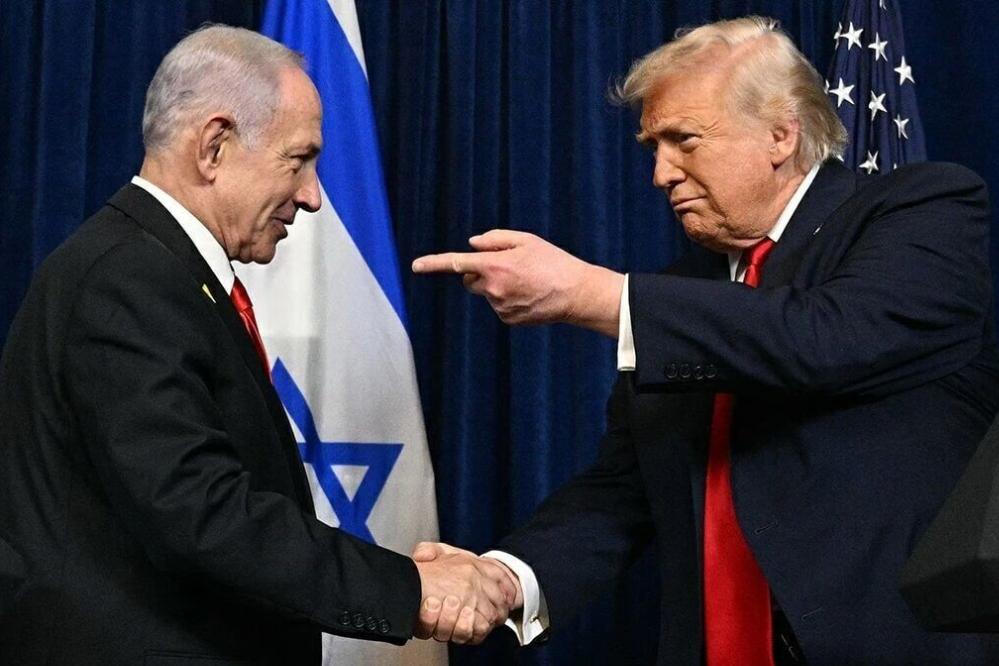
Trump Sets 2-3 Week Iran Withdrawal Amid Contradictory Signals and Congressional Pushback
42 sources compared
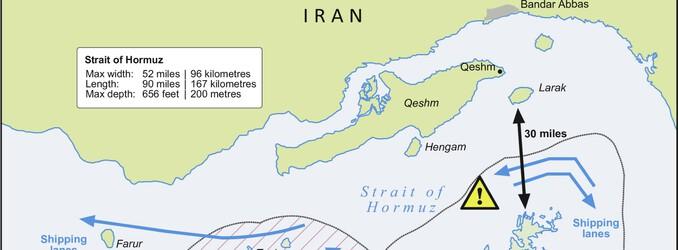
Trump Extends Energy-Strikes Pause as US-Iran Peace Talks Begin
13 sources compared