
US Formalizes Weekly 25 Third-Country Migrant Transfers To Costa Rica Under Nonbinding Shield Pact
Key Takeaways
- Costa Rica will accept 25 migrants deported from the United States weekly.
- Migrants are from third countries and processed under Costa Rica's special migratory status.
- The deal is part of the Trump administration's deportation policy to relocate migrants.
New weekly quota & non-binding pact
New weekly deportation quota formalized: the United States and Costa Rica have agreed to relocate 25 migrants per week from third countries, under a non binding migratory framework that preserves Costa Rica's right to accept or reject transfers and ties the move to Kristi Noem's role as US special envoy for the Shield of the Americas.
“Costa Rica has announced it will accept 25 migrants deported from the United States per week as part of an agreement to assist with President Donald Trump’s policy of deporting immigrants to “third countries””
The pact is described as non binding, with Costa Rica able to refuse proposed transfers and process deportees under a special migratory status.

Public Security Minister Mario Zamora Cordero framed the move as a concrete way for Costa Rica to manage flows.
Kristi Noem’s visit to Costa Rica and her role overseeing the Shield of the Americas signaled high level political backing for the arrangement, as Washington pursues third country transfers under the Trump administration's policy.
Observers caution that the plan is designed to accelerate removals while raising concerns about the protection of vulnerable migrants.
Operational specifics & legal status
Deportees will be processed under Costa Rica's migration laws under a special migratory status, and the country will avoid returning people to countries where they might face persecution.
This is a non binding migration agreement, with Costa Rica able to refuse any proposed transfers and to decide which nationals to accept.
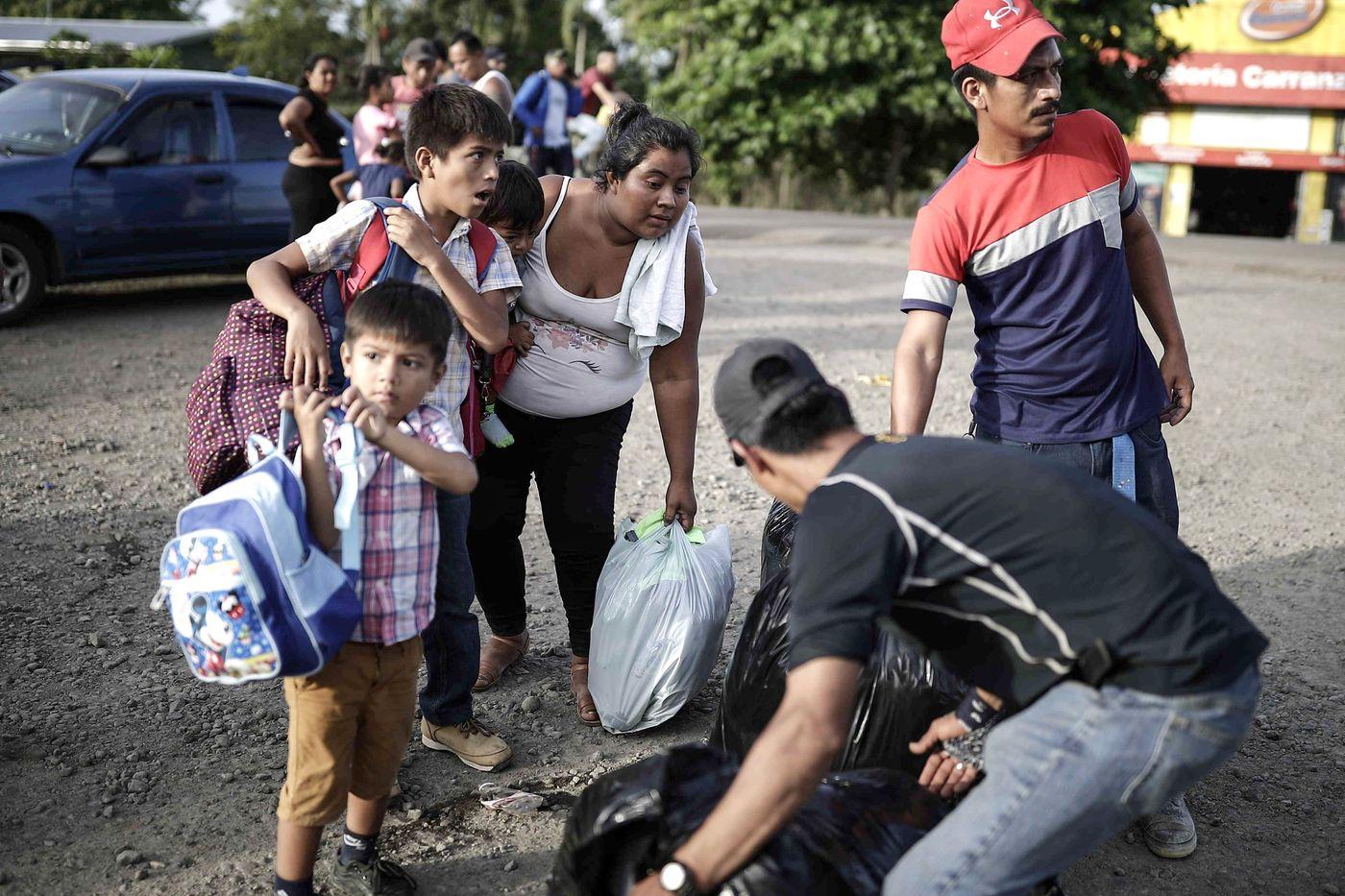
The migrants are third country nationals who would be relocated as part of the Trump administration's deportation drive.
The migrants will benefit from a temporary legal status while their situation is studied, according to some official statements.
Rights safeguards & criticisms
Critics say such transfers have been sharply criticised for putting vulnerable populations further at risk and, in some cases, sending them to dangerous nations or where they face risk.
“The United States will be able to send to Costa Rica about 25 migrants from third countries each week, under an agreement signed on Monday, March 23, in San Jose”
A monitoring and evaluation framework to ensure safety and respect for human rights is cited as a key feature of the arrangement.
Costa Rica has faced controversy in the past over its treatment of deportees, including Afghan migrants and others, raised in connection with cases involving passport seizures and months of detention near the Panama border.
Diplomatic framing & politics
The policy is embedded in a broader U S effort to relocate migration flows through third countries, with Noem traveling through the region as part of the Shield of the Americas program.
Costa Rica’s leadership frames the pact as an allyship with the United States on matters of shared interest, highlighting Costa Rica’s willingness to cooperate while preserving human rights protections.
Noem’s firing from DHS and the confirmation of Markwayne Mullin as her successor add a layer of domestic political transition to the diplomacy around the pact.
Costa Rica and its elected leadership have signaled that the pact remains a voluntary agreement in which Costa Rica can refuse transfers or particular nationalities.
Future trajectory & debate
The framework will influence migratory policy discussions going forward, as partners weigh the merits of orderly processing against asylum protections.
“Costa Rica has announced it will accept 25 migrants deported from the United States per week as part of an agreement to assist with President Donald Trump’s policy of deporting immigrants to “third countries””
A monitoring framework will be tested for its effectiveness in safeguarding rights alongside the voluntary nature of the agreement.
Costa Rica will need to demonstrate safe, rights-respecting relocations to avoid criticism over human rights concerns.
The overall durability of the arrangement remains in question as the policy debate around third-country deportations continues to unfold.
More on USA
President Donald Trump Sparks Millions to Join No Kings Rallies Opposing Iran War Policies
49 sources compared

Rubio Surges to 35% Behind Vance's 53% in CPAC 2028 Straw Poll
14 sources compared

Trump Signals U.S. Could Target Cuba, Hinting at Military Action
12 sources compared
Trump Orders DHS to Immediately Use 'Reasonable Nexus' Funds to Pay TSA Agents
70 sources compared