USA03 May, 20266 min read
U.S. Gas Prices Rise as Strait of Hormuz Stays Closed During Iran War
This article is an automated aggregation of coverage from news outlets. Our editorials offer in-depth analysis curated by the NewsCord team.
National average gas price rose over 30 cents per gallon in a week. Strait of Hormuz remains closed to shipping, pushing oil prices and pump costs higher.
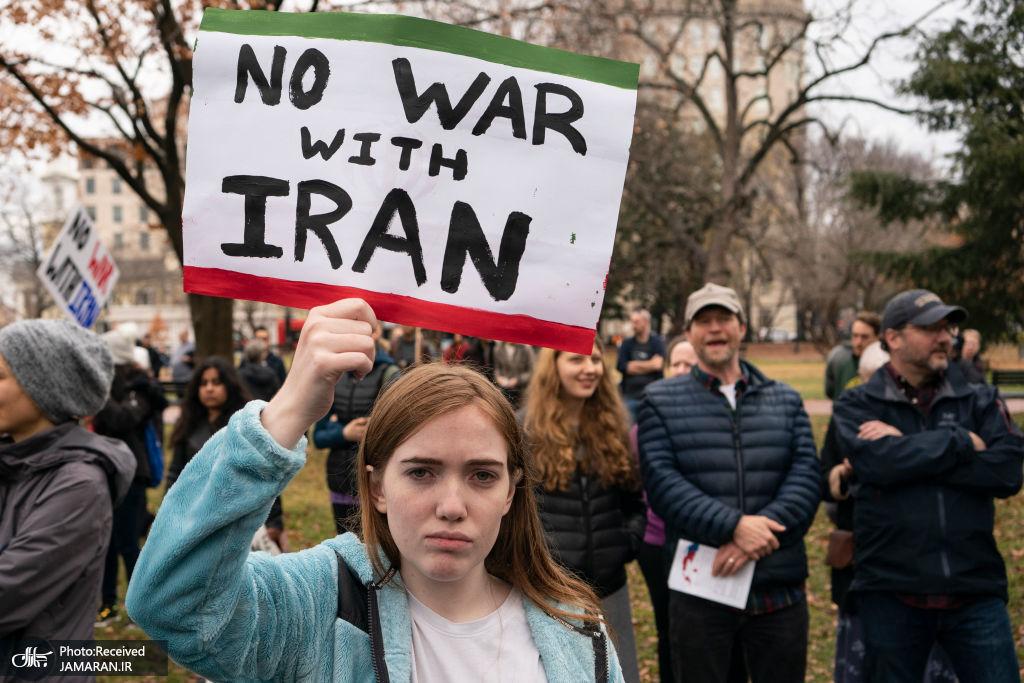
Gas prices surge as Strait stays closed
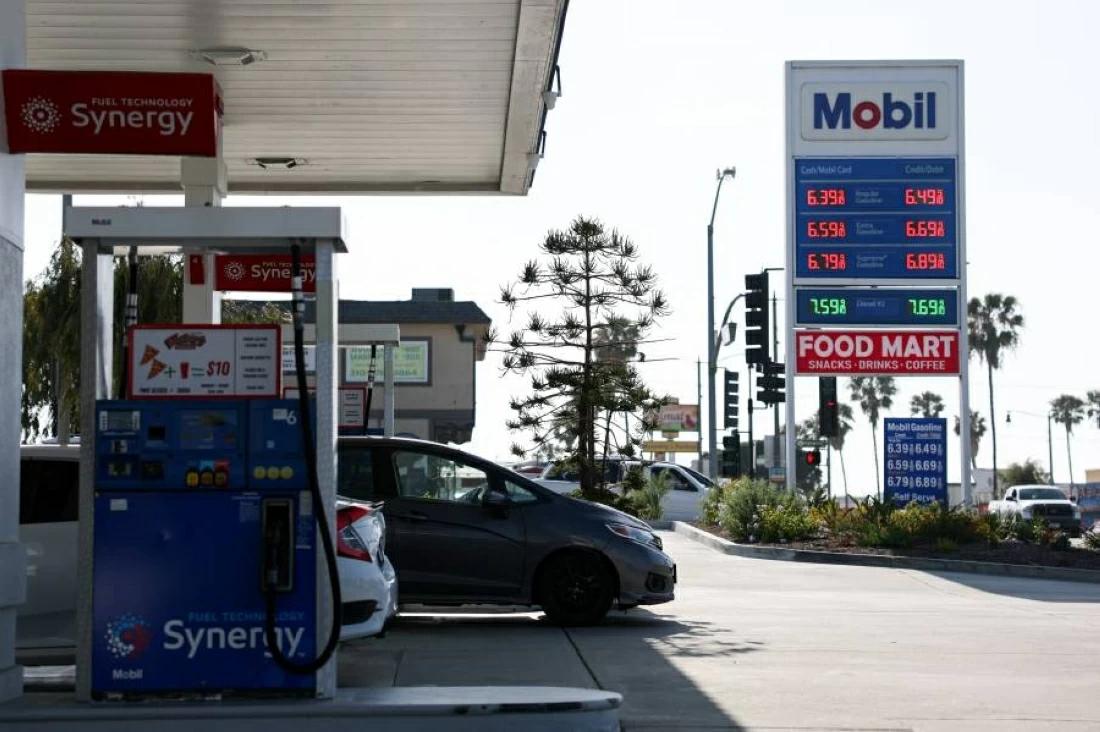
Gas prices in the United States rose more than 30 cents a gallon last week and were slated to continue rising as the Strait of Hormuz remains closed amid the Iran war, NPR reported.
NPR said the cost for regular gas as of Sunday was an average $4.446, compared with $4.099 a week earlier, citing AAA’s fuel site.
NPR also put the U.S. gas average at $2.98 on Feb. 26, two days before the war in Iran began, and said a year ago the average price was $3.171, according to AAA data.
The Washington Post described the national average gas price rising to $4.39 on Friday, calling it a “wartime high” and linking the surge to the Strait of Hormuz being closed to shipping traffic.
OregonLive likewise reported that the national gas average was $4.39 per gallon as of Friday, and said it was the highest price point since the start of the conflict in Iran.
In California, CNN reported drivers paid more than $6 per gallon for gasoline Thursday, and said California’s average price for gasoline was $6.01 per gallon, the highest in the country and the highest price drivers in the state have paid since October 2023.
CNN also reported that the national average rose to $4.34 per gallon, the highest since July 2022, and tied the broader spike to the Strait of Hormuz closure and about a quarter of global oil flows halted.
Trump promises prices will fall
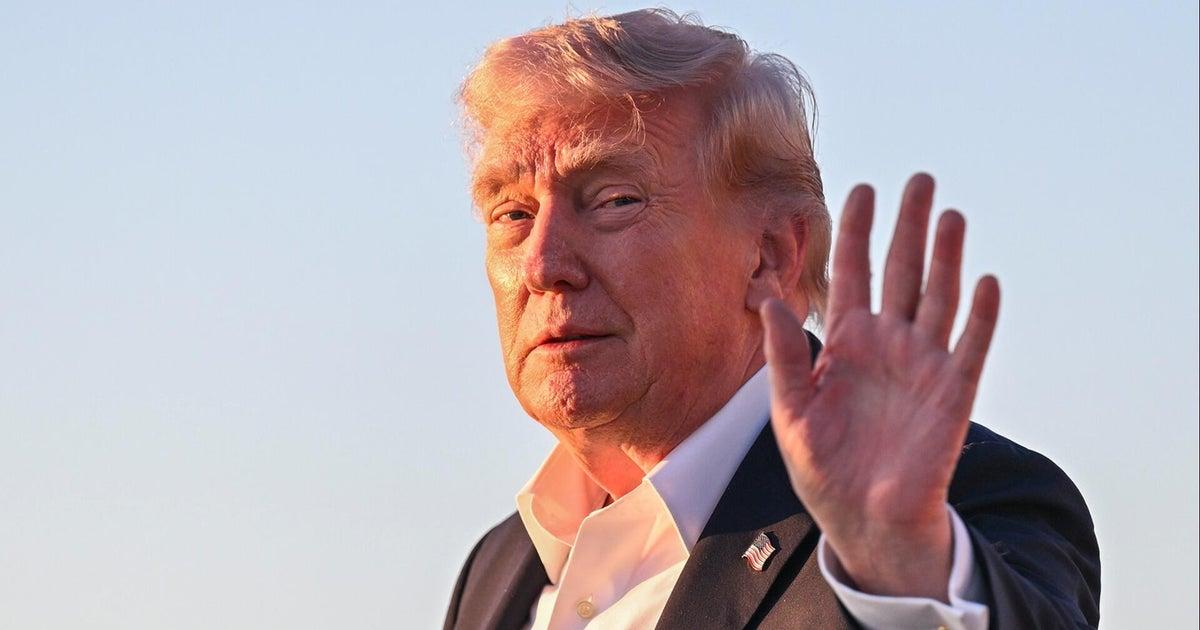
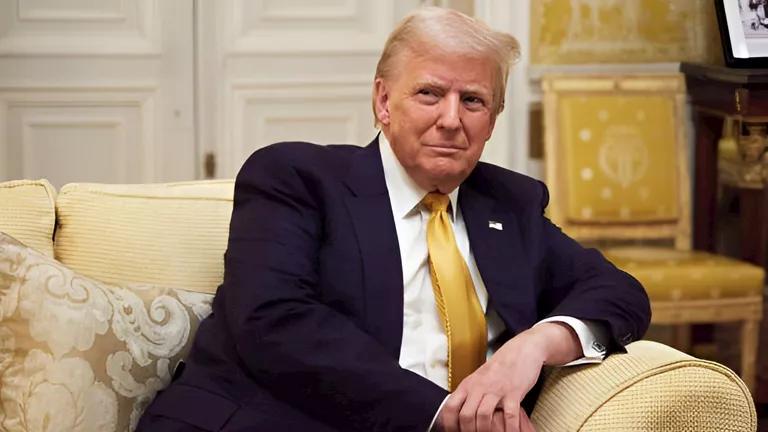
President Donald Trump repeatedly tied the gas-price outlook to the end of the Iran war, with multiple outlets quoting his statements.
NPR reported that Trump promised that when the war in Iran ends, gas prices will "drop like a rock."
NPR also quoted Kevin Book, co-founder of ClearView Energy Partners, saying, "When inventories are low and you can't get oil out of the ground or out of the strait, you should expect prices to keep rising at least until demand capitulates and starts to contract," and added that prices could stay elevated for “weeks or even months” depending on how long the Strait of Hormuz stays closed.
The Independent reported that Trump said Friday at the White House, "The gas will go down as soon as the war is over. It will drop like a rock."
OregonLive quoted Trump telling reporters Thursday, “The gas will go down,” and said he added, “As soon as the war is over, it’ll drop like a rock.”
In a separate Reuters-based report, موقع 24 said the administration’s statements about future prices had been divergent, including Energy Secretary Chris Wright saying gasoline prices may not fall below $3 per gallon before next year, a claim Trump rejected as not true.
CNN also reported that Washington pumped 92.5 million barrels from its oil stockpile, while the White House faced political backlash as prices climbed.
Polls show broad blame and disapproval
Public opinion in the United States has turned sharply against Trump as gas prices surge, according to polling cited by multiple outlets. The Independent said a Washington Post-ABC News-Ipsos poll found 66 percent disapprove of Trump’s handling of the Iran war compared with 33 percent who have approve, and said 76 percent disapprove of how he has dealt with rising prices compared with 23 percent who have approved. Forbes reported that in a Washington Post-ABC News-Ipsos poll conducted between April 24-28, only 37% of American adults approved of Trump’s job performance while his disapproval rating reached a new high at 62%.
It also said 76% disapproved of his handling of the cost of living in the U.S., 72% disapproved of his handling of inflation, and 66% disapproved of the war with Iran. CNN reported that a Reuters Ipsos poll in April showed three in four Americans blame the Trump administration for the latest rise in gasoline prices.
موقع 24 said a Reuters poll found about 77% of registered voters believe Trump bears at least some responsibility for the rise in gasoline prices, compared with 22% who disagree. ISNA said Reuters–Ipsos results released on April 29, 2026 showed satisfaction with Trump’s performance fell to 34 percent, and the Washington Post said backlash is building as options inside the White House dwindle.
Administration actions and energy policy moves
While Trump insisted prices would fall when the war ends, the administration also took steps aimed at energy supply and shipping constraints, as described by Reuters-based reporting.
NPR said that between the weeks of March 20 and April 24, the Department of Energy released 17.5 million barrels of crude oil from the U.S. Strategic Petroleum Reserve.
NPR also said seven countries within the OPEC+ group agreed to increase production by 188,000 barrels per day starting in June.
In a Reuters-based report, موقع 24 said Brent was trading at around $106 per barrel as the Strait of Hormuz remained closed.
In another Reuters-based report, معلومات مباشر said the administration granted a 90-day extension of the Jones Act exemption and invoked the Defense Production Act.
CNN reported that Washington pumped 92.5 million barrels from its oil stockpile and said the U.S. Treasury warned companies paying tolls to Iran for passage through the Strait of Hormuz will face heavy sanctions.
CNN also quoted Denton Sinkquigriana saying, “There is no doubt California is the state most harmed by the Hormuz Strait, unlike most U.S. states that escaped most of the damage.”
Blockade stance and political fallout
The political and strategic backdrop to the gas-price crisis is the Trump administration’s approach to Iran, including a maritime blockade and statements about effectiveness compared with airstrikes.
In الشرق, Trump said he would continue to impose a maritime blockade on Iran until it agrees to a deal addressing concerns about its nuclear program, calling the blockade “somewhat more effective than bombing.”

The same report said Trump rejected an Iranian proposal to open the Strait of Hormuz and lift the blockade first, and it quoted Trump saying, 'the blockade is somewhat more effective than bombing, and they cannot have a nuclear weapon,' and that Iran 'wants to reach an agreement' to lift the blockade.
It also said Axios reported U.S. Central Command prepared a plan for a 'rapid and powerful wave of strikes' against Iran to break the stalemate, while noting Trump had not issued an order for military action as of Tuesday evening.
NPR said it was unclear when the war would end and that even if the Strait of Hormuz reopened, gas prices could still remain high.
The Washington Post described the White House as “running out of options to contain gas price backlash,” and OregonLive said the “rockets and feathers” effect could mean months before prices return to pre-war levels.
CNN said the Iran war was causing the worst disruption to global oil supplies on record and expected rising gasoline prices to become a major political issue ahead of November midterm elections as the summer travel season approaches.