
U.S. Ground-Invasion Threats Trigger Iran Mobilization Of One Million Fighters, Threaten Hormuz Closure
Key Takeaways
- Iran mobilized over one million fighters for a potential ground conflict with the US.
- Tasnim News Agency is the cited source for the mobilization, echoed by multiple outlets.
- Reports describe a possible US ground invasion on Iran's southern front, heightening regional tensions.
Unprecedented mobilization
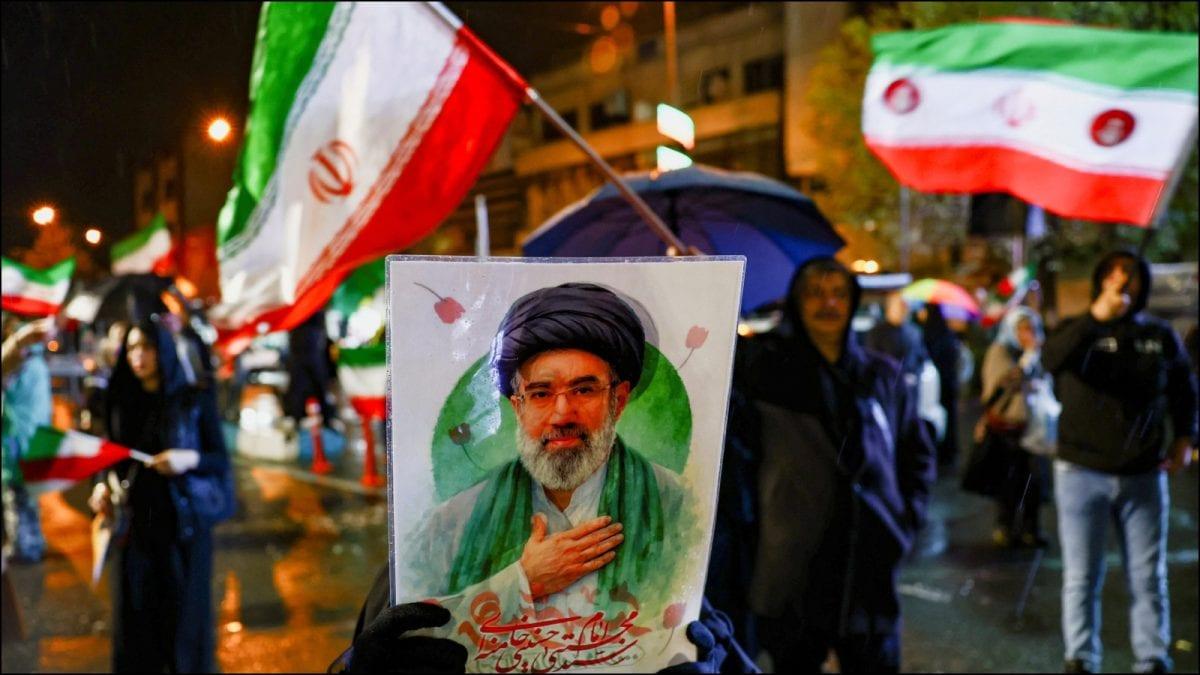
U.S. threats of a ground invasion have been met with an unprecedented Iranian mobilization: more than one million fighters—Basij volunteers, IRGC units, and regular army—are being organized for ground confrontation with the United States.
“Although the war currently waged against Iran is portrayed as a technological struggle that tilts in favor of the United States and Israel, for dominance of their air forces and what their intelligence networks provide in control and surveillance, the deeper logic of the conflict lies in geography”
A wave of enthusiasm among Iranian youth to join Basij, IRGC, and the army is described as a 'historic hell' for Americans on Iranian soil.

Iranian authorities have signaled readiness to close the Strait of Hormuz if attacked, arguing that if the United States tries to open the strait by force, 'we are ready for both their suicide strategy to be executed and for the Strait to remain closed.'
Analysts frame this as a shift toward deterrence-through-mobilization, a dynamic that could redefine the conflict’s geography by elevating Hormuz and the sea routes as central stakes.
U.S. force posture escalation
Washington’s own posture mirrors the escalation rhetoric, with credible plans for a ground option and visible force buildup in West Asia.
The Pentagon has drawn up detailed plans for a possible deployment of United States ground troops into Iran.

Mint reports around 50,000 American troops are currently stationed across the Middle East.
NDTV flags that thousands of U.S. Marines are en route, illustrating a concrete buildup rather than mere rhetoric.
The Times of India and its regional counterparts describe a layered deployment that includes thousands of Marines and airborne troops.
Geography as strategic shield
Geography—more than strategy—drives the current calculus.
Al-Jazeera Net frames Iran’s position as anchored in its depth and chokepoints, noting that mountains and plateaus hinder invasions and also enable concealment of facilities, which can blunt air strikes.
The Strait of Hormuz, a vital energy artery, gives Tehran leverage: a disruption or control over the strait could influence global prices and flows even without a decisive military victory.
The broader corridor, including Bab el-Mandeb, further compounds the regional strategic pressure and complicates international trade routes.
This geographic logic underpins the argument that the conflict is settling into a stalemate rather than a decisive battlefield breakthrough.
Framing and regional risk
Framing and risk perception are central to how this standoff is being read abroad.
Shafaq News emphasizes a 'wave of enthusiasm' to join the security services and a determination to pose a 'historic hell' for attackers.

The Korean outlet Chosun Ilbo highlights Iran's deterrence narrative and the warning against attempts to open Hormuz by force.
Mint underscores the energy-security stakes, warning that disruption to Hormuz could ripple through global markets.
Al-Jazeera Net emphasizes the geographic logic that sustains a stalemate by turning geography into a co-equal actor in the conflict.
Policy and escalation risks
The implications for policy and diplomacy are significant.
“arrow-down comments printer search bell top-nav right-arrow left-arrow arrow-down Advertisement Iran Mobilises Over 1 Million Fighters For Possible Ground War With US: Report Despite claims from Donald Trump that negotiations are underway, Tehran has publicly rejected any diplomatic approach from Washington”
Iranian mobilization amplifies the risk of miscalculation in a crisis that already features visible U.S. force movements and Iranian warnings about Hormuz.
NDTV notes the regional acceleration of deployments as a signal that the battlefield could widen quickly.
The Times of India ties this to ongoing U.S. diplomacy, including discussions around security guarantees for Hormuz.
Al-Jazeera Net’s geographic framing implies that a purely kinetic approach may be insufficient, given chokepoints and terrain that can sustain a protracted stalemate.
More on Iran
Trump Extends Deadline to April 6, Circulates 15-Point List Demanding Iran Reopen Strait of Hormuz
10 sources compared
Pentagon Weighs Deploying Up To 10,000 Troops And Ground Operations Inside Iran
14 sources compared
Trump Threatens Ground Invasion, Houthis Pledge Bab Al-Mandeb Offensive
10 sources compared

Trump Extends 10-Day Deadline to Strike Iran's Energy Infrastructure, Deploys 2,000 82nd Airborne
18 sources compared