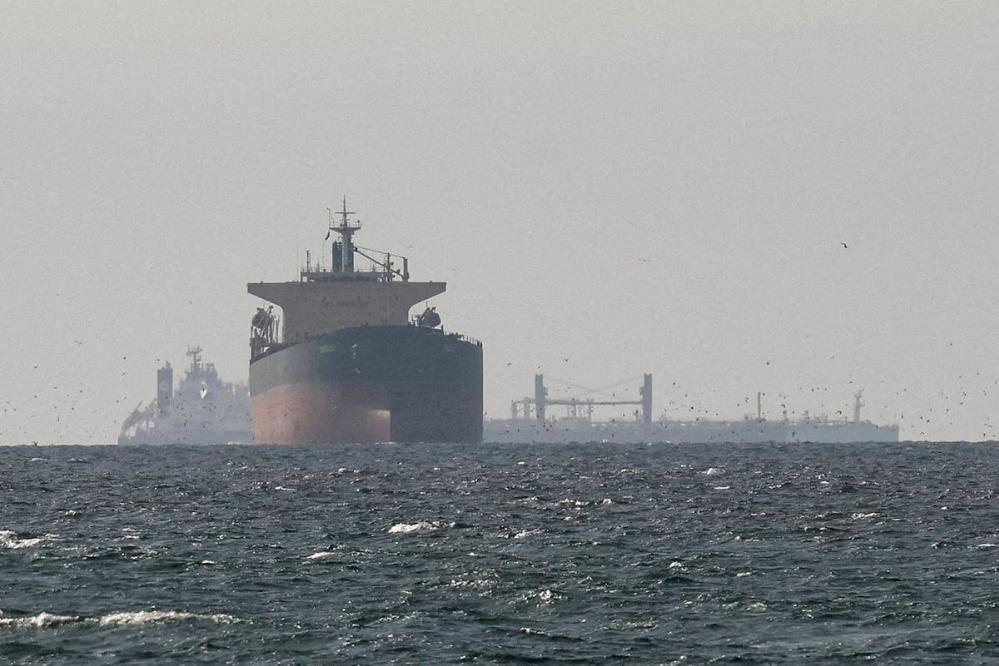
US Imposes Naval Blockade on Iranian Ports, Threatens to Destroy Warships
Key Takeaways
- U.S. imposes naval blockade on Iranian ports in the Strait of Hormuz.
- Iran warns retaliation and escalation against the blockade.
- Blockade blocks maritime traffic through Hormuz, a critical oil and trade chokepoint.
US Naval Blockade
The United States imposed a naval blockade on all Iranian ports and coastal areas on April 13, 2026.
President Donald Trump announced the measure, warning that US forces would intercept unauthorized vessels and destroy any Iranian fast-attack ships.

The blockade covers all vessel traffic irrespective of flag but permits neutral passage through the Strait of Hormuz for ships heading to or from non-Iranian destinations.
Iran responded sharply, threatening ports across the Persian Gulf and the Gulf of Oman.
The Strait of Hormuz carries about one-fifth of global oil and gas supplies.
Oil prices jumped more than 8 percent, with Brent crude rising above $100 a barrel.
Economic and Military Implications
The blockade is a strategic gamble that could reshape regional power dynamics and disrupt global markets.
Washington is signalling a shift from direct confrontation to economic strangulation.

Iran has been earning billions through petrochemical sales while attempting to disrupt exports from other Gulf nations.
Washington's calculation is that cutting off this revenue stream will weaken Iran's economy.
Operating from the Sea of Oman is safer for US forces than entering the narrow Strait of Hormuz.
International Reactions
China issued a stern warning to the United States against imposing a naval blockade.
“What is a naval blockade”
Defence Minister Admiral Dong Jun stated, "We have trade and energy agreements with Iran; we expect others not to interfere in our affairs."
Beijing's Foreign Ministry reiterated its support for a ceasefire.
The blockade exposed the rift between China and the US over Iran.
The United Kingdom and France indicated they would not back the blockade.
Russia criticised the move for its potential harm to global markets.
Diplomatic and Legal Challenges
The blockade has spurred questions about international law.
Successfully enforcing the blockade will require sustained commitment of US Navy ships.

International rules require that any nation enforcing a blockade do so impartially.
The US military said it would block ships entering or departing Iranian ports while allowing other vessels to transit the Strait of Hormuz.
Before the United States moved to restrict traffic, it was Iran that had essentially shut down the strait.
More on USA

Vice President JD Vance Defends Trump, Tells Pope Leo To Stick To Morality
14 sources compared

Trump Threatens Cuba After Finishing War Against Iran
17 sources compared
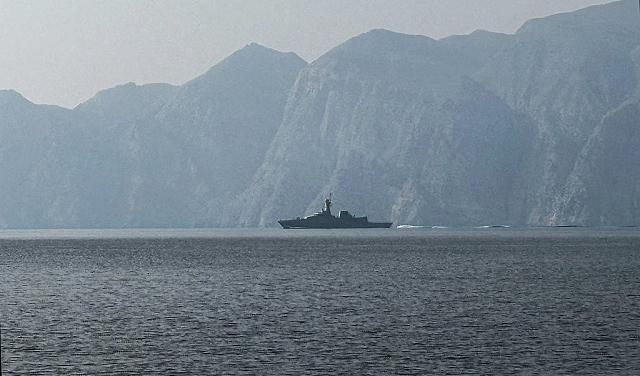
Trump Orders U.S. Naval Blockade of Iranian Ports, Threatens to Eliminate Iranian Ships
26 sources compared

Trump Launches Bitter Attack on Pope Leo XIV, Sparking International Backlash
11 sources compared