USA08 June, 20263 min read
U.S. Imposes Travel Bans On 100+ Nicaraguan Officials Over Brooklyn Rivera Death
This article is an automated aggregation of coverage from news outlets. Our editorials offer in-depth analysis curated by the NewsCord team.
US imposes visa restrictions on over 100 Nicaraguan officials and relatives. Sanctions follow the death of indigenous leader Brooklyn Rivera in custody.

Rubio announces new visa bans
The United States placed travel bans on more than 100 Nicaraguan officials and their family members as part of a campaign to punish the government for human rights abuses, with Secretary of State Marco Rubio saying the sanctions were imposed in part because of the death last month of imprisoned activist Brooklyn Rivera.
Rubio said in a statement on Monday, "The United States stands with the Nicaraguan people who, like Rivera, aspire to see a free Nicaragua," and the U.S. Bureau of Western Hemisphere Affairs said in a post on X that six of Rivera’s family members and friends had gone missing.

The U.S. has now barred more than 2,350 Nicaraguan officials and family members from entering, and the identities of the most recent ones were not released.
Nicaragua’s government did not immediately respond to a request for comment, while the U.S. tied the move to Rivera’s death in custody and to the policies of President Daniel Ortega and co-president Rosario Murillo.
The CTPost report says Rivera was imprisoned by the government in September 2023 after an arrest during a yearslong crackdown on civil society and dissent that began following mass protests in 2018 that the government violently repressed.
Blame, missing relatives, and named official
In a post on X, Rubio condemned Nicaragua’s leadership and said, "The Murillo-Ortega dictatorship is an enemy of humanity," adding that the Trump Administration would not ignore "their crimes and brutality" including the dictatorship’s role in the death of political opposition leader Brooklyn Rivera.
The Newswav report says Rubio also stated in an official press statement that "US-sanctioned Lumberto Campbell Hooker was directly involved in denying medical care to Brooklyn Rivera and prevented his family from burying his remains."
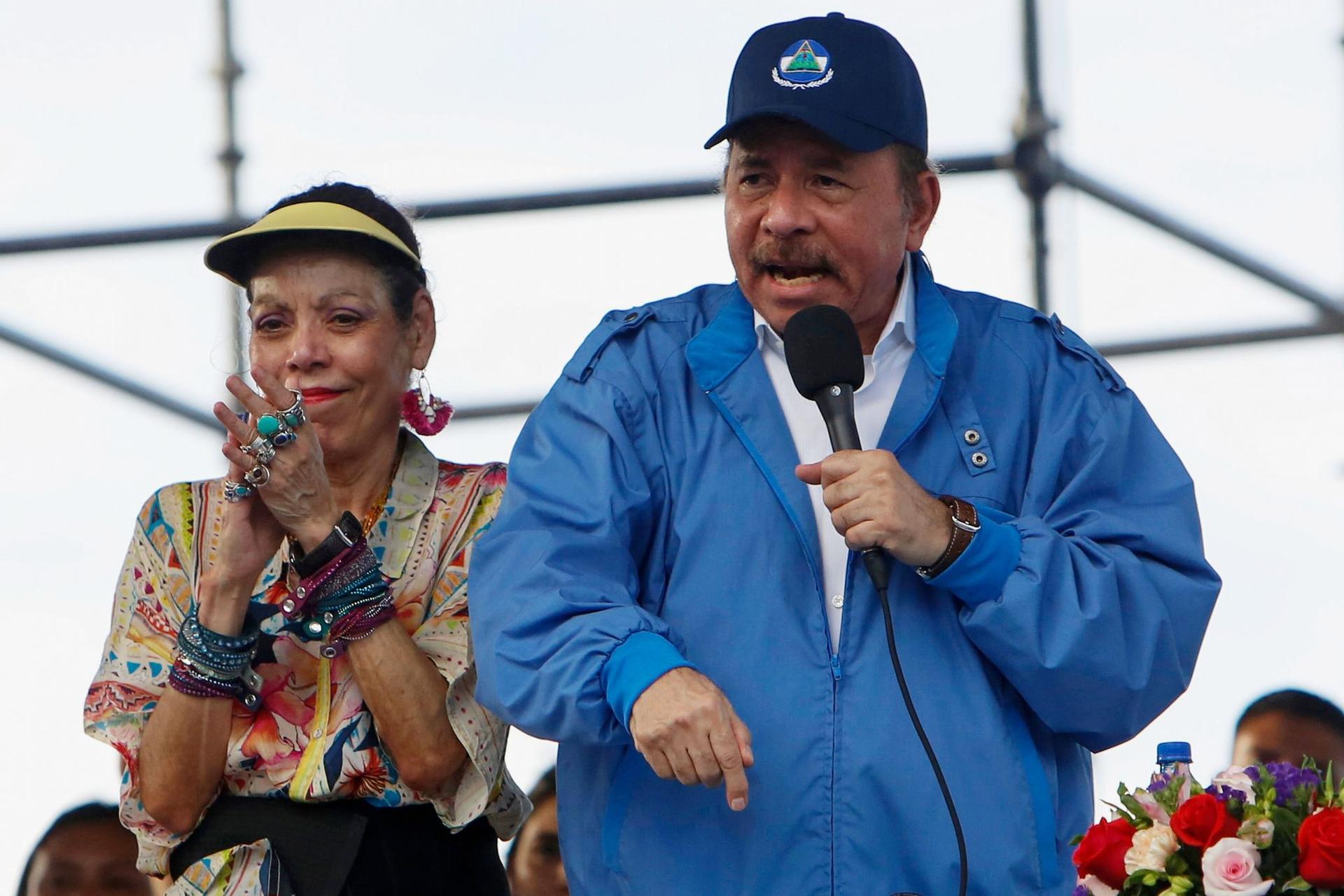
Newswav reports that Rivera died on May 30 while in state custody in Nicaragua and that Nicaragua’s health ministry announced his death on the afternoon of May 31.
Newswav says Rivera’s daughter, Tininiska Rivera, told the press, "So the regime cannot now attempt to blame pre-existing conditions for the physical deterioration of a man who has remained in state custody for nearly three years."
The same report says the New York Times reported the government concealed Rivera’s whereabouts before releasing hospital images after international pressure, and it quotes a U.S. State Department statement saying the dictatorship released a statement only after Rivera was critically ill.
Diplomatic pressure and broader sanctions
The U.S. measure was described as additional visa restrictions on more than 100 officials, family members, and close associates of co-presidents Daniel Ortega and Rosario Murillo, with the State Department linking the action to the death of indigenous leader Brooklyn Rivera while he was detained. El Periodista says the administration described Rivera as a political prisoner and attributed direct responsibility to the Nicaraguan regime for his death, while also saying the U.S. broadened sanctions on Monday by imposing visa restrictions on more than 100 officials and their families. El Periodista reports that with this new round of sanctions, "more than 2,350 Nicaraguan officials and family members" have been affected by migration restrictions imposed by the United States for their alleged involvement in actions linked to political repression and supporting the Ortega-Murillo government.
The Courrier international report adds a separate dimension to the U.S.-Nicaragua dispute by describing Nicaragua opening "at least 11 new embassies" since the beginning of the year and citing La Prensa’s view that the move could facilitate visas for migrants departing Nicaragua toward the United States. Courrier international quotes an international law specialist explaining the embassies were opened to facilitate the issuance of visas and calls it a "destabilization strategy" against Washington, which has imposed multiple sanctions on Ortega’s dictatorship.