
US Indicts Former Cuban President Raúl Castro Over 1996 Brothers To The Rescue Shootdown
Key Takeaways
- US DOJ indicted Raúl Castro on murder, conspiracy to kill US nationals, and aircraft destruction.
- Castro is charged alongside five other Cuban military officers.
- The 1996 shootdown of Brothers to the Rescue planes off Florida killed four.
Indictment in Miami
Federal prosecutors announced criminal charges against former Cuban President Raúl Castro in the 1996 downing of civilian planes flown by Miami-based exiles as the Trump administration escalated pressure on Cuba, with acting Attorney General Todd Blanche saying, “For nearly 30 years, the families of four murdered Americans have waited for justice.”
The indictment accuses Castro of ordering the shootdown of two small planes operated by the exile group Brothers to the Rescue, and Reuters and the BBC both tie the case to the deaths of four people, including three Americans, in the 1996 incident.
The charges were announced in Miami at a ceremony coinciding with Cuban independence day, and Blanche said, “There was a warrant issued for his arrest. So we expect that he will show up here, by his own will or by another way.”
The BBC reported that the US accuses Castro and five others in the shooting down of the aircraft belonging to Brothers to the Rescue and killing four people, including three Americans, while Cuba’s President Miguel Díaz-Canel called the charges a political manoeuvre devoid of any legal foundation.
The AP account also said the indictment was secretly filed by a grand jury in April and that it included murder and destruction of an airplane, with five Cuban military pilots also charged.
Cuba Denounces, U.S. Presses
Cuban President Miguel Díaz-Canel condemned the indictment as a political stunt and accused the US of lying and manipulating events surrounding the shootdown, saying it sought only to “justify the folly of a military aggression against Cuba.”
In Miami, acting Attorney General Todd Blanche framed the case as accountability for unarmed civilians, saying, “They were unarmed civilians and were flying humanitarian missions for the rescue and protection of people fleeing oppression across the Florida straits.”
The BBC reported that Díaz-Canel called the charges “a political manoeuvre, devoid of any legal foundation,” while the AP described his argument that Cuban officials had warned at the time that they would defend against “dangerous violations” of their airspace “by notorious terrorists.”
The BBC also quoted Blanche announcing that the US would charge Castro with destruction of aircraft and four individual counts of murder over the deaths of Armando Alejandre Jr, Carlos Alberto Costa, Mario Manuel de la Peña, and Pablo Morales.
A US official quoted by the BBC, Wiliam LeoGrande of American University, said the strategy was to “increase the pressure gradually to the point where the Cuban government will give in and surrender at the bargaining table,” as the Trump administration sought to exert increasing pressure on Cuba’s communist rule.
What Comes Next
The indictment carries the possibility of life in prison or the death penalty upon conviction, and the BBC reported that the murder charges each carry a maximum penalty of death or life imprisonment.
“US charges Cuba's Raúl Castro with murder over 1996 downing of two planes The US has charged former Cuban leader Raúl Castro with conspiracy to kill US nationals and other crimes over the 1996 downing of two planes between Cuba and Florida”
Acting Attorney General Todd Blanche told reporters that there was a warrant for Castro’s arrest and that the US “expect[s] he will show up here, by his own will or by another way,” while the AP said the charges pose a real threat in the context of the January capture of former Venezuelan President Nicolás Maduro.
The Washington Post described the indictment as an attempt to hold Raúl Castro accountable for killing four people, three of them Americans, alleging Cuban military forces were acting on his orders when they shot down two civilian aircraft in 1996.
In parallel, the AP reported that President Donald Trump said, “We’re going to see,” when asked what will happen next for Cuba, and it also said Trump added that the US is ready to provide humanitarian assistance to a “failing nation.”
The BBC said the case takes aim at a key figurehead of Cuba’s communist leadership as it faces intense US pressure to make significant political and economic reforms, while NPR reported that a grand jury in Miami brought the indictment on April 23 and that the government unsealed it on Wednesday, recognized as Cuban Independence Day.
More on USA

U.S. Indicts Raúl Castro Over 1996 Shootdown Killing U.S. Nationals
13 sources compared
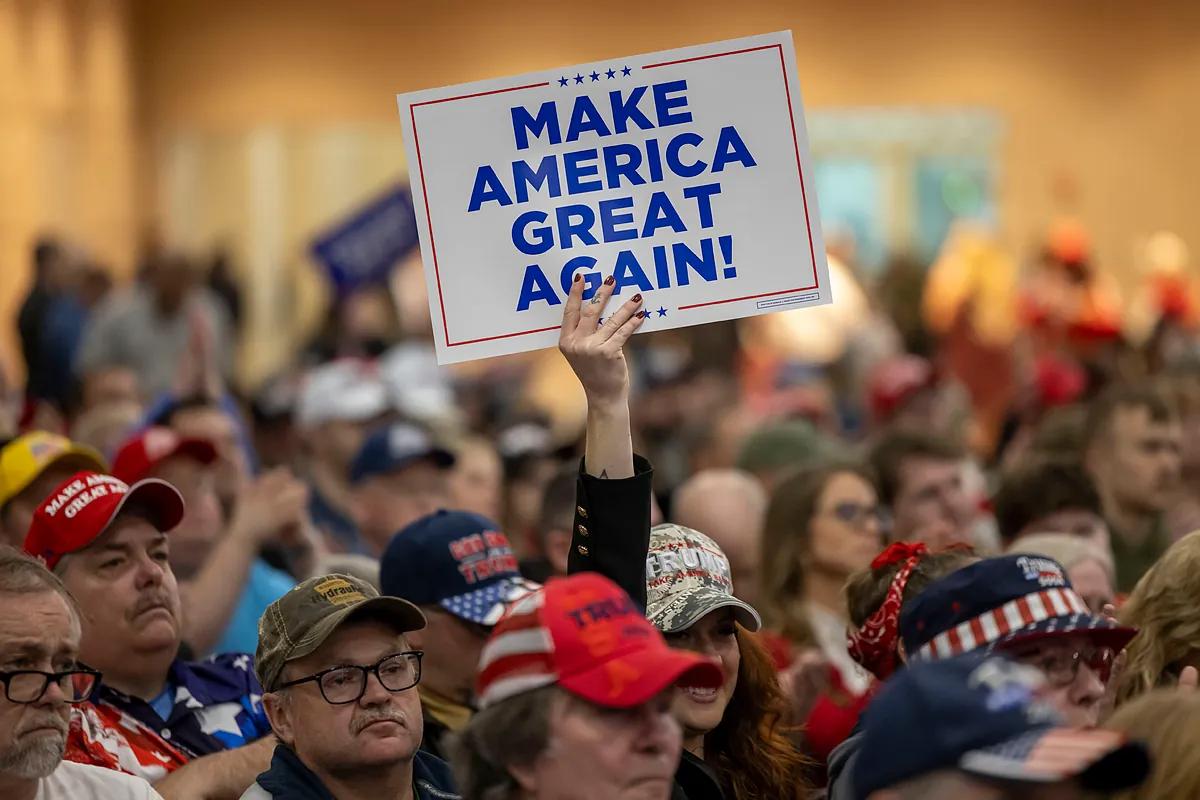
Trump-Backed Ed Gallrein Ousts Rep. Thomas Massie in Kentucky 4th District Primary
12 sources compared

DOJ Charges Carmen Mercedes Lineberger With Stealing Jack Smith’s Sealed Trump Report
20 sources compared

U.S. Justice Department Indicts Raúl Castro Over 1996 Shooting Down Two Civilian Planes
11 sources compared