
U.S. Intelligence Confirms Only One-Third of Iran's Missile Arsenal Destroyed, Contradicting President Trump
Key Takeaways
- U.S. intelligence says about one-third of Iran's missile arsenal destroyed after near month of fighting.
- About another third's status unclear; likely damaged, destroyed, or buried in tunnels.
- Intelligence contradicts Trump's claim that Iran has few missiles left.
New intel vs. Trump assertion
New development: U.S. intelligence now reportedly confirms that only about one-third of Iran’s missile arsenal has been destroyed after nearly a month of strikes, a finding that directly clashes with President Trump’s public claim that Iran has “very few rockets left.”
“BREAKING Donald Trump blasts NATO ‘paper tiger’ allies over lack of war supportIsrael kills three journalists in southern Lebanon in targeted strikeYemen's Houthis confirm their first attack on Israel since the war on Iran began Click to pause breaking news tickerpause-square-backgroundClose Breaking News Tickerclose Toggle Play Iranian missiles cause widespread damage across Israel in latest wave Iranian missiles have caused widespread damage across Israel in the latest wave of attacks, as President Donald Trump says US-Israeli strikes have destroyed the majority of Iran’s missile launchers”
The Reuters-based readout cited by ASHARQ AL-AWSAT English notes that the United States can “only determine with certainty that it has destroyed about a third of Iran's vast missile arsenal,” with another third likely damaged or buried in tunnels, while the same framing has appeared in multiple outlets, including The Guardian, The Jerusalem Post, and Fine Day 102.3.
That contrast matters because Trump’s characterization—repeated in other Western coverage—appears to hinge on political messaging as much as battlefield reality, potentially shaping allied calculations and regional risk assessments as the war nears its first month.
If one-third is definitively destroyed and another third remains potentially recoverable or decayed, Tehran could still pose a credible threat via undamaged stockpiles and subterranean storage that may be activated post-conflict.
Epic Fury deployment and limits
Operational plan and battlefield roll-out: Washington and Tel Aviv frame Epic Fury as the centerpiece of a broader effort to degrade Iran’s missile and drone infrastructure, framing production facilities as targets.
U.S. officials claim the campaign has hit over 10,000 Iranian targets and that CENTCOM is meeting or exceeding schedule as described for Epic Fury, while acknowledging that precise missile/drones metrics are not publicly disclosed.
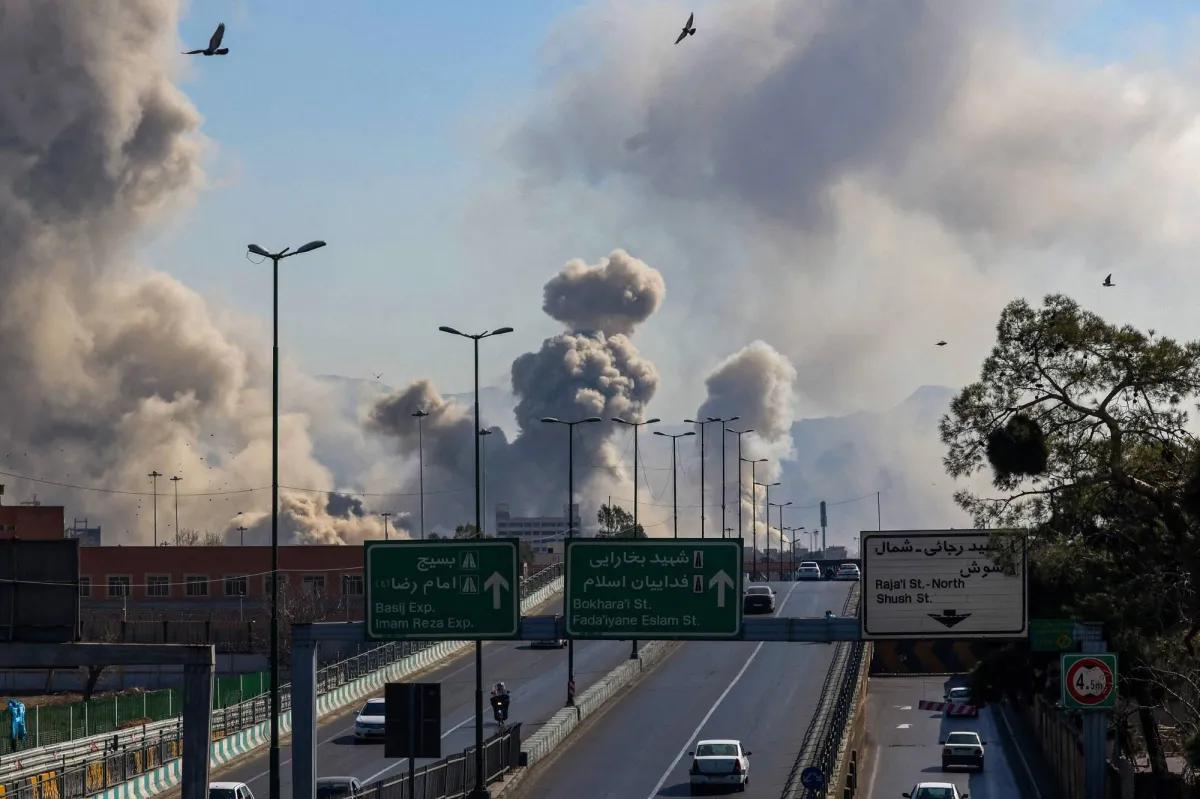
Analysts also note Iran’s adaptive shifts—launches from deeper locations and dispersed sites—as evidence the stockpile is not simply ‘gone,’ even as surface-level utility and production capacity are degraded.
This combination underscores a strategic asymmetry: the war’s aims are to dismantle production and launch capability, but the exact residual capacity remains opaque and contested.
Underground stockpile uncertainty
Stockpile uncertainty and underground refuges: Iran’s pre-war missile inventory is not a fixed target; estimates range from roughly 2,500 to 6,000 missiles, with some analyses suggesting as few as 3,000 prior to the conflict.
“The United States has been able to confirm the destruction of roughly one-third of Iran’s extensive missile arsenal as the US-Israeli campaign against the country approaches the one-month mark, according to five sources familiar with US intelligence assessments”
Observers point to Iran’s deep tunnel networks as a critical factor in complicating damage assessments, with some experts saying there may be more than a dozen large underground complexes capable of storing launchers and missiles.
Reports from El País and i24NEWS illustrate the breadth of uncertainty: El País cites figures around 3,000 missiles, while i24NEWS notes Iran’s adaptation to launch from deeper, less-protected sites as a response to sustained bombardment.
The combination of uncertain stockpiles and entrenched underground storage means even substantial surface damage may not translate into a clean, irreversible degradation of Iran’s ballistic capabilities.
Messaging vs. intelligence
Trump’s rhetoric vs. intelligence: President Trump’s claim of Iran having “very few rockets left” stands in tension with conservative and non-Western reporting that emphasizes continued Iranian capabilities.
India Today, Firstpost, and WION all highlight that the intelligence picture appears to contradict the president’s public remarks, underscoring a broader discord between political messaging and battlefield intelligence.

Analysts warn that conflating political statements with empirical assessments can erode trust and complicate allied coordination in a volatile West Asia theater.
As a result, the strategic calculus for the region hinges not only on battlefield losses or gains but also on how the administration communicates progress and calibrates escalation risks.
Regional security implications
Strategic implications for regional security and diplomacy: Ongoing Iranian missile and drone activity—though potentially diminished—continues to threaten Gulf states and key infrastructure.
Analysts caution that even reduced capabilities can sustain significant geopolitical risk, particularly for energy routes like the Strait of Hormuz and for foreign troops stationed in the region.
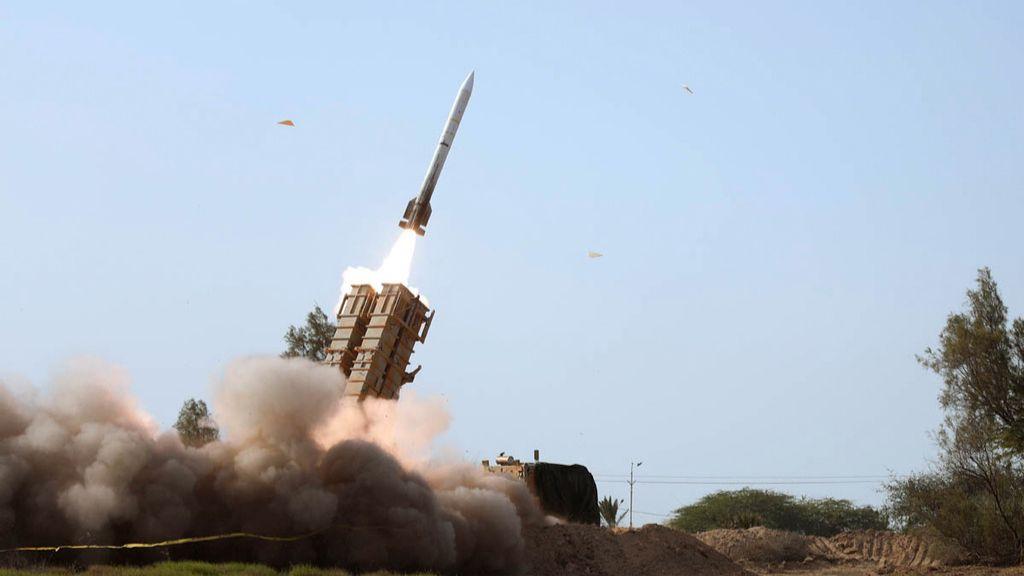
Coverage across outlets—from NBC News and NPR to El País and Al Jazeera—highlights a persistent threat vector, even as surface bombardment wanes and production targets are degraded.
The evolving dynamic underscores the need for calibrated diplomacy, robust regional deterrence, and transparent intelligence once hostilities subside.
More on Iran

Iran Allows 20 Pakistani-Flagged Ships Through Strait Of Hormuz
14 sources compared
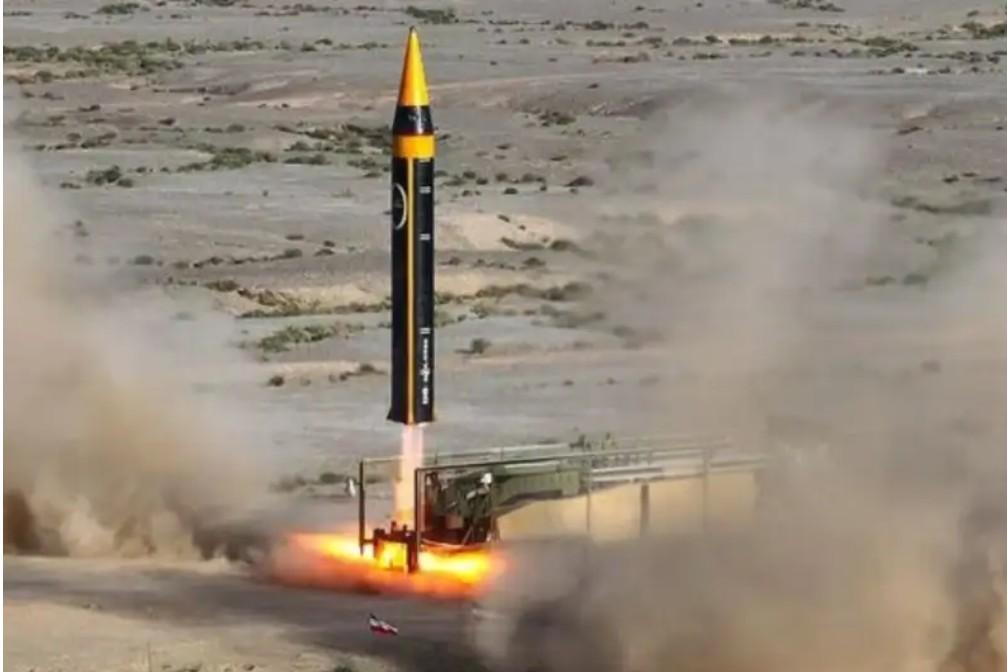
Houthis Formally Enter Iran-Israel War By Firing Missiles And Drones At Israel
16 sources compared

Houthis Launch First Missiles At Israel, Joining Iran War And Threatening Red Sea Routes
75 sources compared

Pentagon Plans Weeks-Long Ground Operations In Iran
21 sources compared