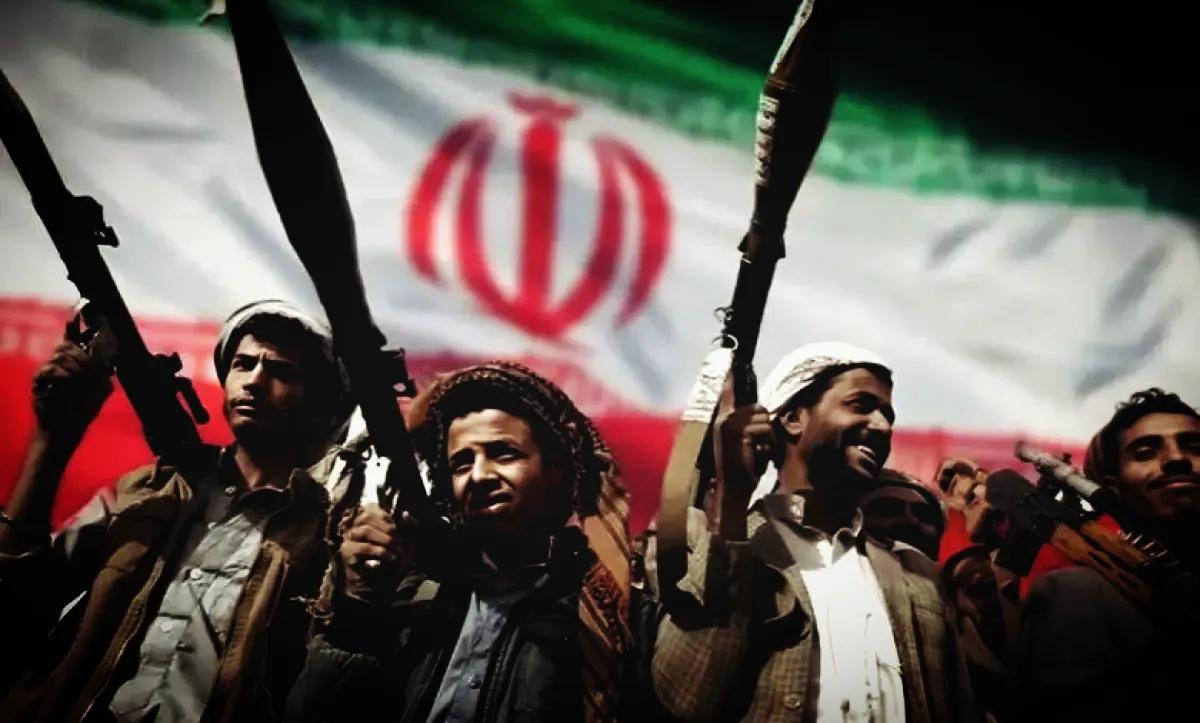
US-Iran Ceasefire Pauses Direct Attacks but Regional War and Strait Blockade Continue
Key Takeaways
- U.S.-Iran two-week ceasefire halts direct attacks between the two nations.
- Regional fighting continues; ceasefire is not a regional peace, with Israel-Lebanon tensions rising.
- Hormuz transit rules remain undefined as an emerging toll system reshapes shipping.
Ceasefire and Strait Control
The US and Iran announced a two-week ceasefire on April 7, 2026.
The deal included three operative clauses: the US and Israel halt strikes on Iran; Iran halts retaliatory attacks; and Iran allows safe passage through the Strait of Hormuz.

Israel launched its heaviest strikes on Lebanon within hours of the deal.
Iran hit oil infrastructure in Kuwait, the UAE, Bahrain, and Saudi Arabia.
The strait remained effectively closed as Iran warned vessels would be targeted if they crossed without permission.
Economic Impact and Market Reaction
The ceasefire sent shockwaves through global energy markets.
Crude oil prices plummeted by as much as 17.6%.

The S&P 500 surged 2.5%.
The Dallas Fed projected WTI oil at roughly $98 per barrel in a short-closure scenario.
The catastrophic scenario required the closure of the war to drag past Q2.
Iran's Toll System and Economic Leverage
Iran's toll system on the Strait of Hormuz may generate $40 billion to $50 billion annually.
“Petrol and diesel prices rise again as concerns grow over ceasefire The cost of petrol and diesel has continued to rise as motorists wait to see if the US-Iran ceasefire leads to cheaper prices at the pump”
That revenue stream inverts Tehran's incentives.
The Guardian reported that the UK defence secretary warned tolls would set a dangerous precedent.
Regional Reactions and Diplomatic Challenges
Saudi Arabia welcomed the ceasefire.
Lebanon's president hoped his country would be included.

The UK foreign secretary said Lebanon must be included and warned against tolls.
US Vice President Vance said Lebanon was not part of the deal.
The GCC's pharmaceutical industry relies heavily on imports through the Strait of Hormuz.
Supply Chain and Trade Disruption
The Strait of Hormuz is a critical maritime trade corridor.
“Special Report [](https://www”
An estimated 30,000 vessels pass through each year.

The closure of Gulf air hubs constrained medical goods movement.
Air freight is essential for biologics and specialty medicines.
More on Iran
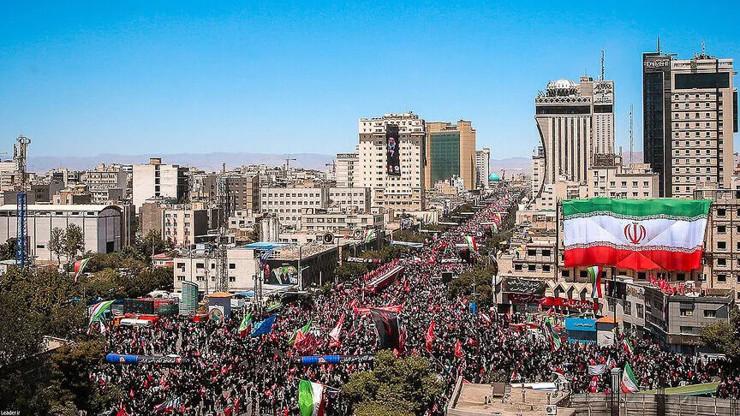
Israeli Strike Kills Ayatollah Ali Khamenei, Buried at Imam Reza Shrine in Mashhad
19 sources compared
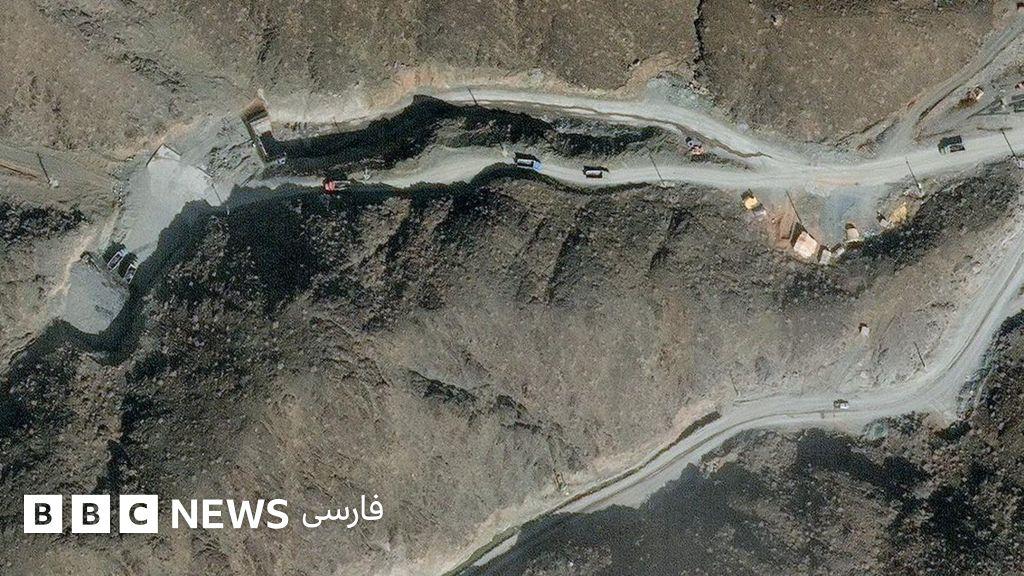
Iran Attempts To Restore Nuclear Sites Damaged In US And Israel Strikes, CNN Satellite Images Show
15 sources compared
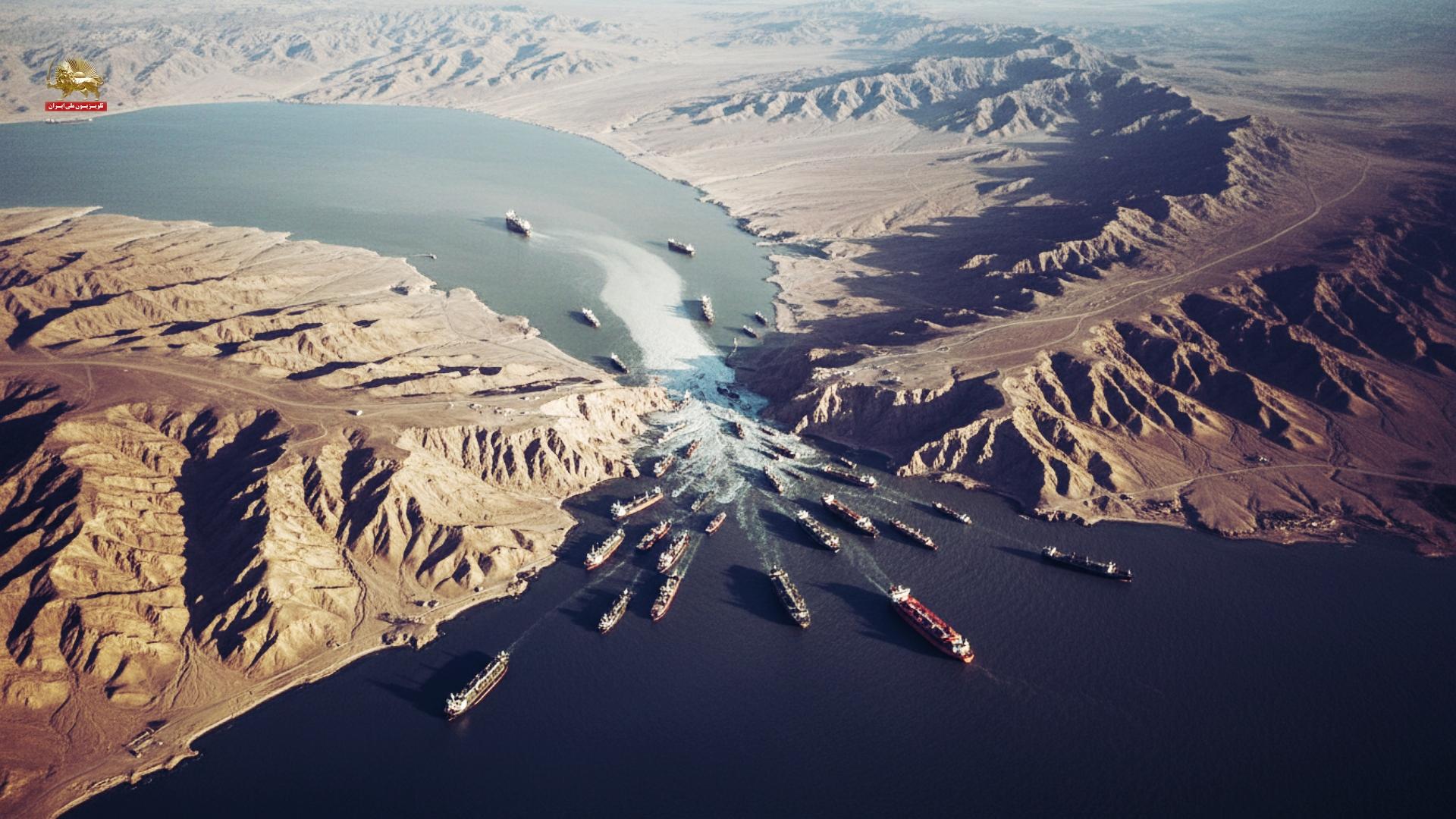
Abbas Araghchi and Prince Faisal Bin Farhan Discuss Regional Developments After US Attacks
11 sources compared

Trump Says U.S. Agreed to Continue Iran Talks, Ceasefire Is Over
19 sources compared