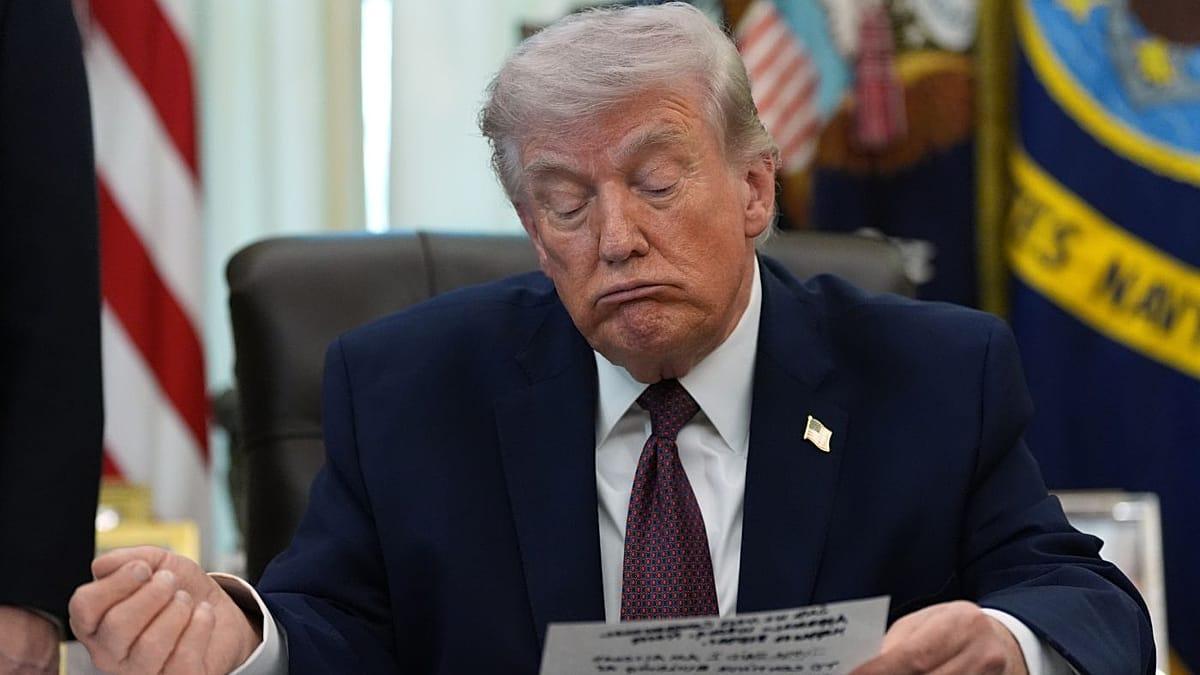
U.S.-Iran Nuclear Talks End Without Deal as U.S. Bombs Iran
Key Takeaways
- Iran and the United States ended indirect nuclear talks in Geneva without a deal.
- The failure left the risk of a broader war in the region looming.
- Iran claimed 'good progress' but refused to transfer enriched uranium abroad.
Talks Collapse, War Begins
US-Israeli forces launched strikes despite less than two weeks of indirect negotiations.
Trump demanded absolute cessation of uranium enrichment while Tehran insists it has that right under the NPT.
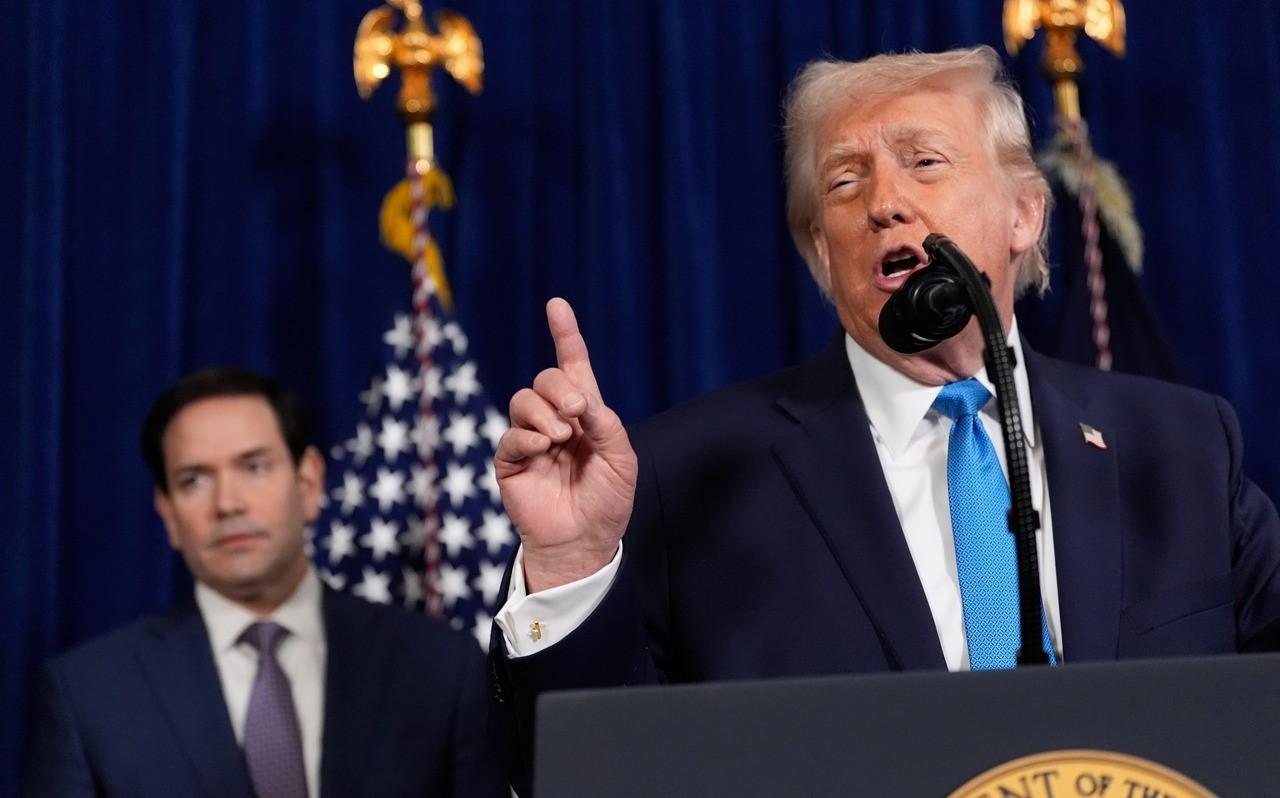
The Atlantic Council framed it as a major shift from degrading capabilities to pursuing regime change.
The Guardian noted it was one of the most intense and longest rounds of negotiations.
Strikes Kill 201 Including 153 Schoolgirls
The Pentagon confirmed six US service members killed.
The deadliest strike hit a girls' school in Minab, killing at least 153 children and staff.
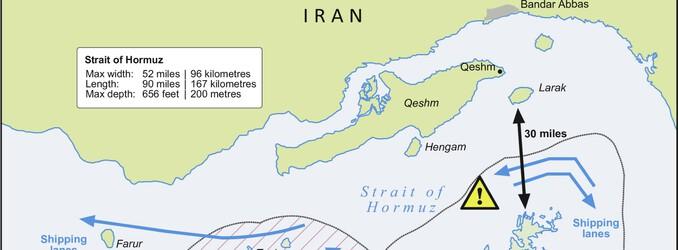
Iran retaliated by declaring the Strait of Hormuz closed and launching missile strikes on Israel.
The closure triggered immediate economic shockwaves.
Trump Threatens Prolonged Bombing
Trump threatened to continue with ferocious unyielding resolve.
A Reuters poll found only 27 percent of Americans approved of the strikes.
Coverage of domestic opposition was minimal.
More on Iran

Spain Bans US Warplanes, Closes Airspace, Declares 'No' to Iran Strike
21 sources compared
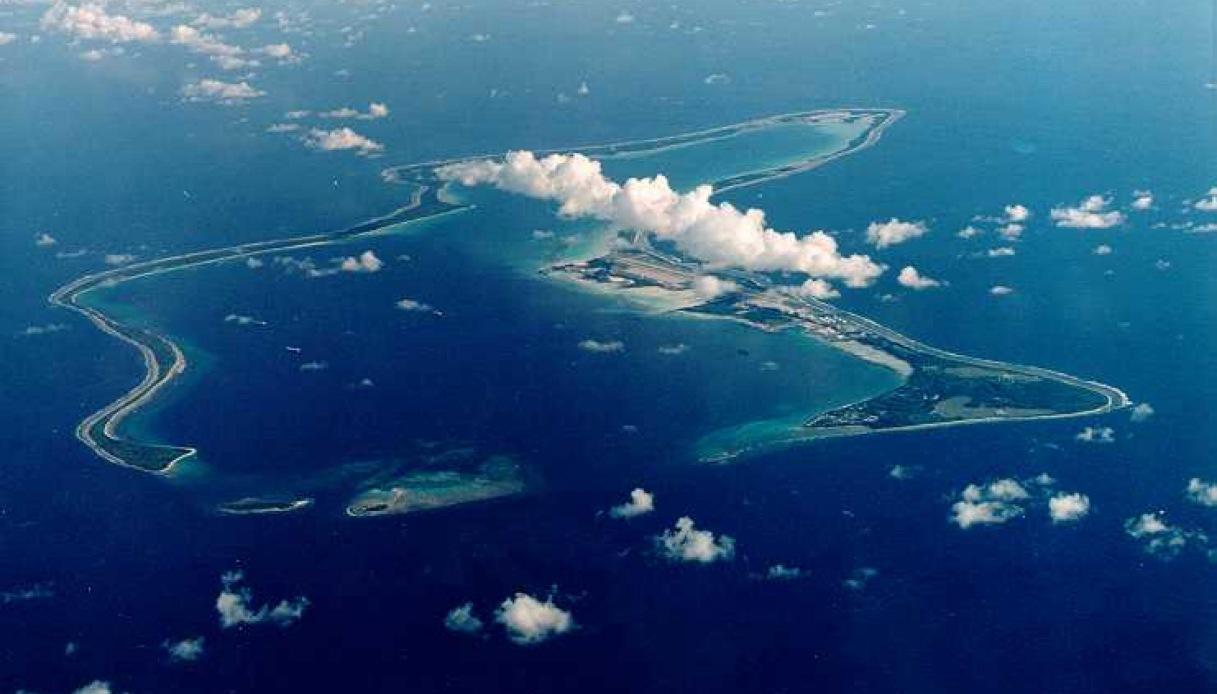
Israel Confirms Iran's Missiles Reach Berlin, Paris, Rome After Diego Garcia Strike
17 sources compared
Trump Sets 2-3 Week Iran Withdrawal Amid Contradictory Signals and Congressional Pushback
42 sources compared
Trump Extends Energy-Strikes Pause as US-Iran Peace Talks Begin
13 sources compared