Iran · 05 July, 2026 · 3 min read
Mojtaba Khamenei Remains Absent From Ali Khamenei Funeral Prayers in Tehran
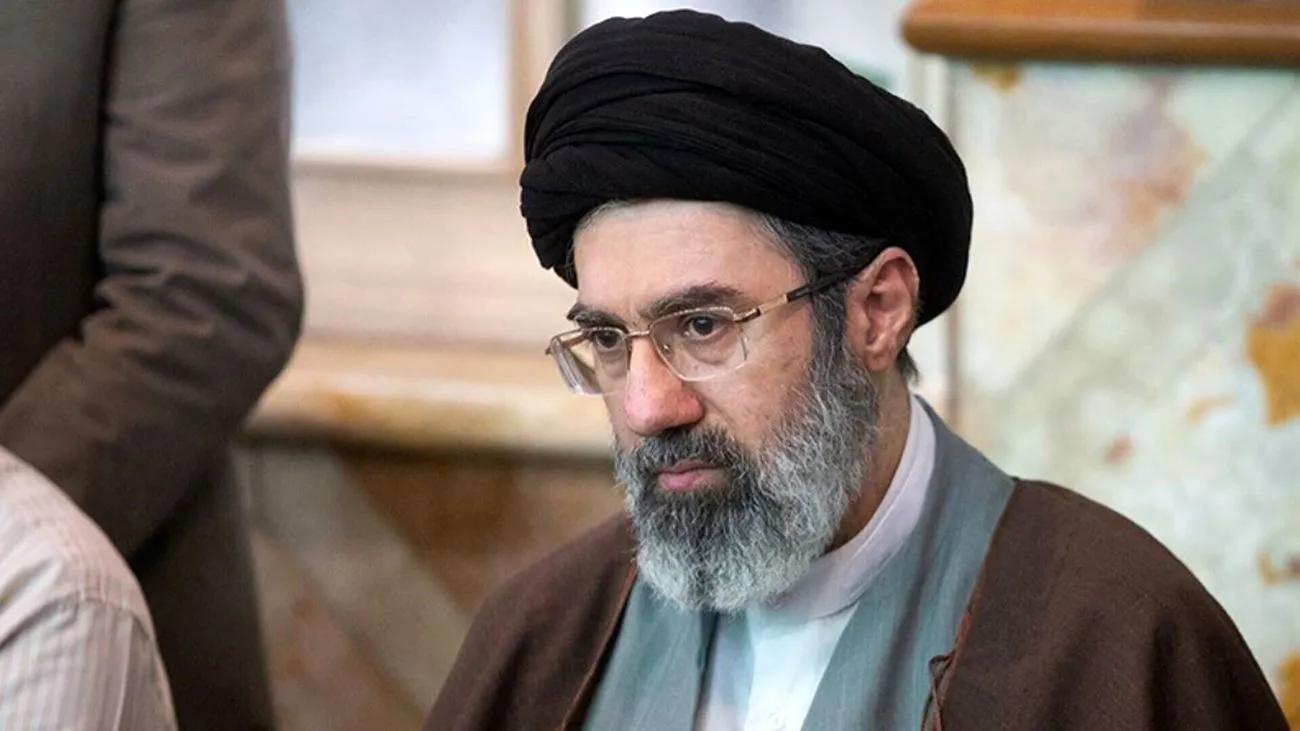
Mojtaba Khamenei did not attend or publicly appear at his father Ali Khamenei's funeral prayers. Three of Ali Khamenei's sons attended prayers on the second day.
How authorities justify Mojtaba’s absence.
6 of 7 outlets skipped it: RFE/RL says successors typically lead predecessor funeral prayers..
The Guardian was read line by line by the Watchdog: 4.5. See the score →
10outlets compared
Same story, two versions
tap a side to read it in full
The Guardian
“Holding Iranian flags and pictures of their martyred leader, and waving red flags symbolising vengeance the crowds were vastly larger and more militant than on Saturday”Read the original ↗
NDTV Profit
“Millions gathered through the night at the Mosalla, with many mourners weeping and beating their chests during the prayers.”Read the original ↗
Guardian spotlights Trump-killing calls; others focus on absence, not revenge slogans
Mojtaba stays away
Iran’s new Supreme Leader Mojtaba Khamenei remained absent from the funeral ceremonies for his father, former Supreme Leader Ali Khamenei, as state television showed three of Ali Khamenei’s sons, Mostafa, Meysam and Masoud, leading prayers on the second day of the funeral at Tehran’s Imam Khomeini Grand Mosalla.
“Reuters, citing people close to Mojtaba Khamenei's inner circle, reported that he suffered facial injuries”
NDTV Profit said Reuters reported that Mojtaba, who succeeded his father in March, suffered facial injuries and significant wounds to one or both legs in the Feb. N28 airstrike that killed his father and several family members, while Iranian authorities have not confirmed those reports or disclosed his whereabouts.

The New York Post reported that state TV showed Mostafa, Meysam and Masoud Khamenei praying behind the coffins laid out in the vast courtyard of Tehran’s Imam Khomeini Grand Mosalla, while there had still been no public sighting or image released of Mojtaba.
Radio Free Europe/Radio Liberty said Mojtaba Khamenei remained absent from funeral prayers held early on July 5, more than four months after he was killed during US-Israeli strikes at the outset of the war in the Middle East.
Multiple outlets tied the absence to security concerns, with Al Jazeera describing Iranian officials attributing it to the continued threat of assassination as millions of mourners attended the multiday event.
Threats and crowd mood
As the funeral prayers continued in Tehran, the Guardian reported calls for the killing of Donald Trump beside the coffin of Ali Khamenei, with Mohammad Rasouli saying at a poetry recitation immediately before the prayer reading at the farewell ceremony, “From now on the shroud is our garment. TI swear by your blood; Trump’s murder is our responsibility,”.
The Guardian also quoted Khalil Shirgholami, Iran’s ambassador to Armenia, writing on X: “You can kill people, but you can’t kill ideals. TYou killed Ayatollah Khamenei, but in reality you broke a bottle of perfume, the fragrance of which has now spread everywhere.”
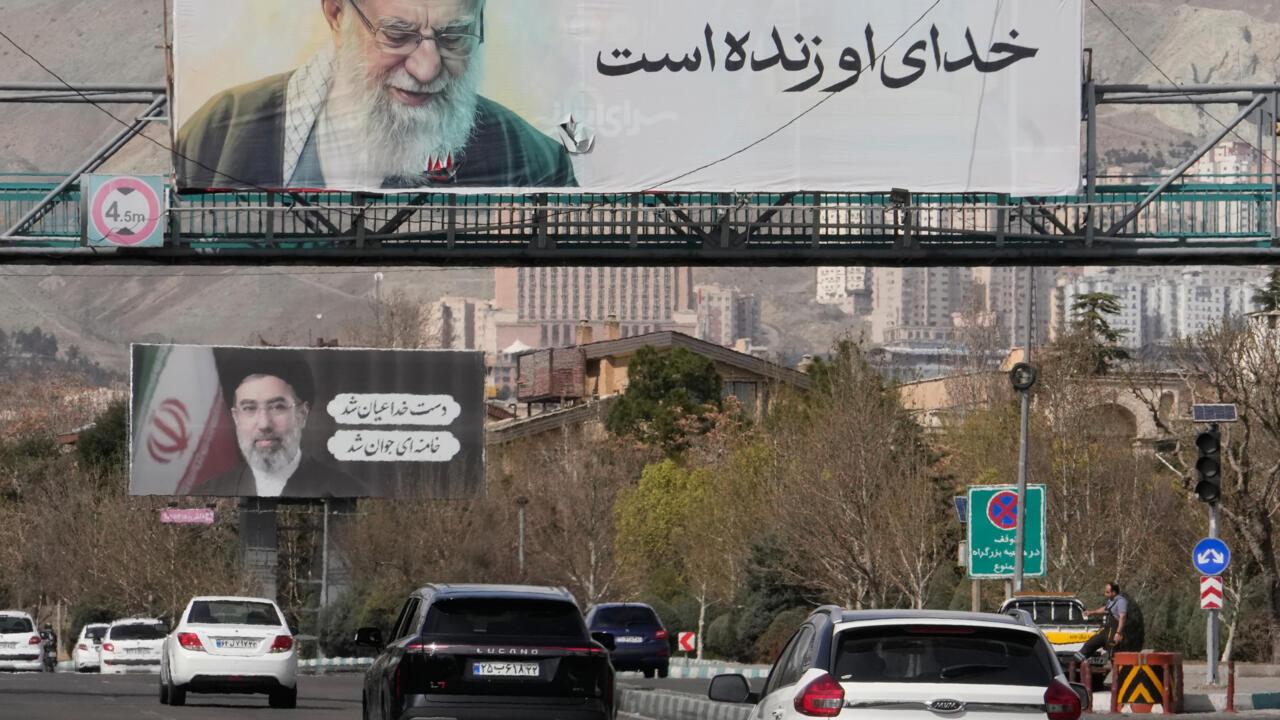
Al Jazeera reported that on Monday, as Khamenei’s funeral procession made its way through Tehran, Israel’s defence minister appeared to threaten his successor, with Israel Katz saying in a Hebrew-language statement that Khamenei “was assassinated by Israel because he set in motion and led the plan to destroy Israel”.
Al Jazeera added that Katz said, “Any Iranian leader who tries to push plans to destroy Israel again will also be thwarted.”
Radio Free Europe/Radio Liberty said the attendance of virtually all of the Islamic republic's senior officials suggested authorities were confident enough in the security arrangements despite the possibility of an Israeli or US attack.
Funeral schedule and risks
The funeral processions were set to continue beyond Tehran, with NDTV Profit saying the funeral procession will continue in Tehran today on Monday before moving to Qom on Tuesday, then to the Iraqi shrine cities of Najaf and Kerbala on Wednesday before returning to Mashhad for burial on Thursday.
“The funeral procession will continue in Tehran today on Monday before moving to Qom on Tuesday.”
Radio Free Europe/Radio Liberty said funeral and mourning ceremonies for Ali Khamenei are due to continue over six days in cities across Iran and Iraq, with his burial scheduled for July 9 in the late supreme leader’s hometown of Mashhad.
France 24 reported that Iran was preparing for a large three-day funeral for Ali Khamenei in Tehran as well as in the two holy cities of Qom and Mashhad, and quoted Tehran’s deputy mayor Mohammad Amin Tokhli Zadeh saying, 'The public funeral is to last three days.'
France 24 also said Tokhli Zadeh added, 'In Tehran, the ceremonies will last at least 24 hours,' and that estimates indicate about 20 million people are expected to participate.
Al Jazeera framed the stakes around public insecurity tied to Mojtaba’s absence, quoting 26-year-old Masoumeh saying, “Mojtaba’s absence is irrelevant. But his presence is a sign of the country’s security,” as Israel Katz’s threats and the ongoing ceasefire shaped the atmosphere around the ceremonies.