
US-Iran Talks Fail in Islamabad as Trump Threatens Strait of Hormuz Blockade
Key Takeaways
- US-Iran talks failed in Islamabad; a two-week ceasefire remains the sole barrier.
- Mediators led by Pakistan seek to revive talks as the door remains open.
- Trump threatens Strait of Hormuz blockade after the talks collapse.
Talks Breakdown
More than 12 hours of face-to-face negotiations between the United States and Iran ended without agreement.
“Islamabad, Pakistan – More than 12 hours of face-to-face negotiations between the United States and Iran ended without agreement in Islamabad on Sunday, leaving a fragile two-week ceasefire as the only barrier between diplomacy and a return to war”
Pakistan emerged with its role intact but acknowledged the harder phase now begins.

US Vice President JD Vance said we need to see an affirmative commitment that they will not seek a nuclear weapon.
Vance left a narrow opening for resumption of talks with a simple proposal that is our final and best offer.
The talks faltered over differences surrounding Iran's nuclear programme.
Trump announced a blockade of the Strait of Hormuz.
Strait of Hormuz
Iran has effectively controlled access to the Strait of Hormuz since February 28.
Tehran framed its control of the strait as both a security measure and a key negotiating lever.
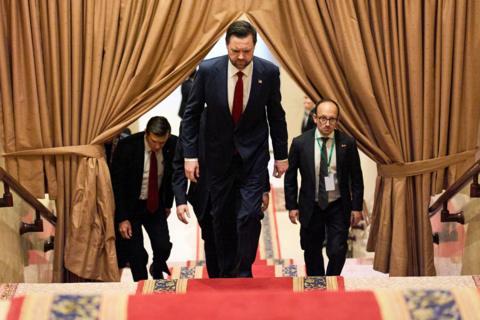
The main gaps during the negotiations focused on the nuclear issue and the Strait of Hormuz.
Iran insisted on retaining control of the strait and imposing transit fees.
The American delegation's excessive demands hampered progress.
CENTCOM said the blockade would be enforced impartially against vessels of all nations.
Pakistan's Mediation
Pakistan's Deputy Prime Minister Ishaq Dar said Pakistan will continue to play its role to facilitate dialogue.
Dar and Army Chief Asim Munir helped mediate several rounds of intense and constructive negotiations.
Pakistan thanked both sides for responding to its earlier request for an immediate ceasefire.
The Iranian delegation met senior Pakistani officials before departing for Tehran.
The ceasefire remained in place but the status is now uncertain.
Reactions and Next Steps
Iran's account of the breakdown differed sharply.
Iran's Parliament Speaker said the U.S. side ultimately failed to gain the trust of the Iranian delegation.
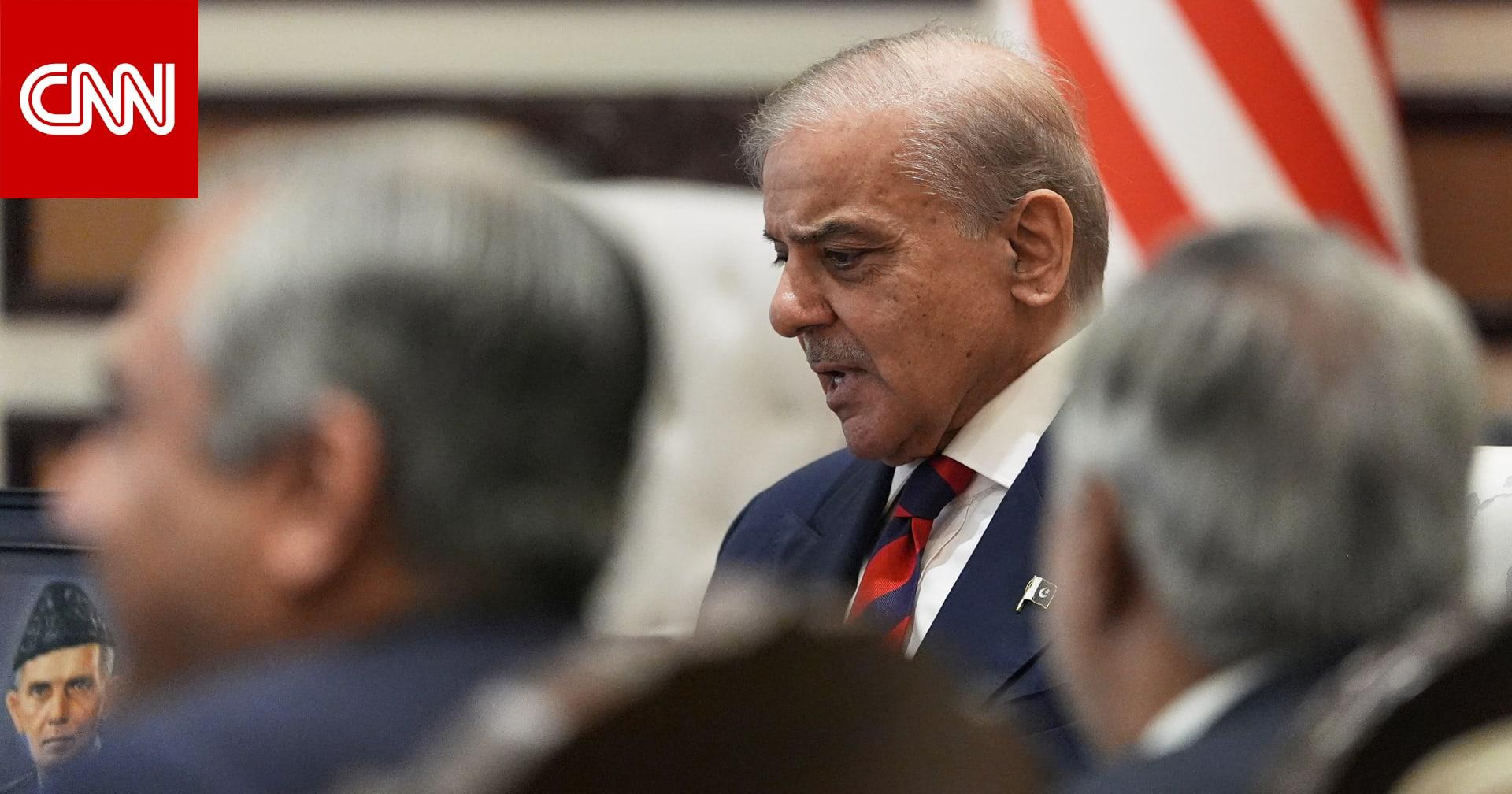
Iran's Foreign Minister said the two sides came within inches of an understanding but encountered maximalism.
Trump told Fox News it was a really good meeting except for one issue: they want to have nuclear weapons.
CENTCOM added that the U.S. will not impede freedom of navigation for vessels transiting the Strait to and from non-Iranian ports.
More on Iran
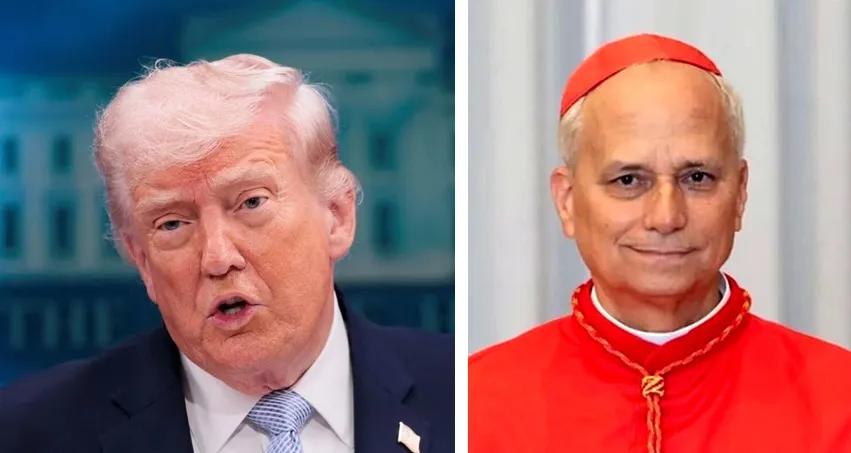
Trump Attacks Pope Leo XIV Over Iran War Criticism, Claims Pope Owes Position To Him
43 sources compared

Turkey Accuses Netanyahu of Seeking to Declare It Israel’s New Enemy
13 sources compared

Trump Orders U.S. Naval Blockade on Iranian Ports, Threatens to Eliminate Approaching Ships
64 sources compared

US Begins Naval Blockade of Iranian Ports, Trump Threatens to Eliminate Attack Ships
54 sources compared