
US-Iran Talks Fail Over Strait of Hormuz, Uranium, and Frozen Funds
Key Takeaways
- U.S. and Iran left Islamabad without a deal after marathon talks.
- Main sticking points are Hormuz sovereignty, Iran's enrichment, and ten billion dollars in frozen funds.
- Disruption of Hormuz shipping and energy markets persists amid continued tensions.
Talks Collapse
After 21 hours of negotiations, the United States and Iran ended talks without an agreement.
“Donald Trump says the Strait of Hormuz will reopen “fairly soon” with or without Iran’s assistance, as Tehran’s effective blockade of the waterway continues to disrupt energy supplies worldwide”
Three main sticking points remained: the Strait of Hormuz, enriched uranium, and frozen revenues.
The U.S. had demanded immediate reopening of the strait, but Iran said it would do so only after a final peace deal.
The talks marked the highest-level direct engagement between Washington and Tehran since 1979.
Hormuz and Uranium
The Strait of Hormuz emerged as the most intractable issue.
Iran insisted on retaining control and charging passage fees.

The U.S. demanded that Iran hand over its entire stockpile of near-weapons-grade enriched uranium.
Iran submitted a counter-proposal but no compromise was reached.
Iran demanded the release of $27 billion in frozen oil revenues, which the U.S. rejected.
Military Moves and Market Impact
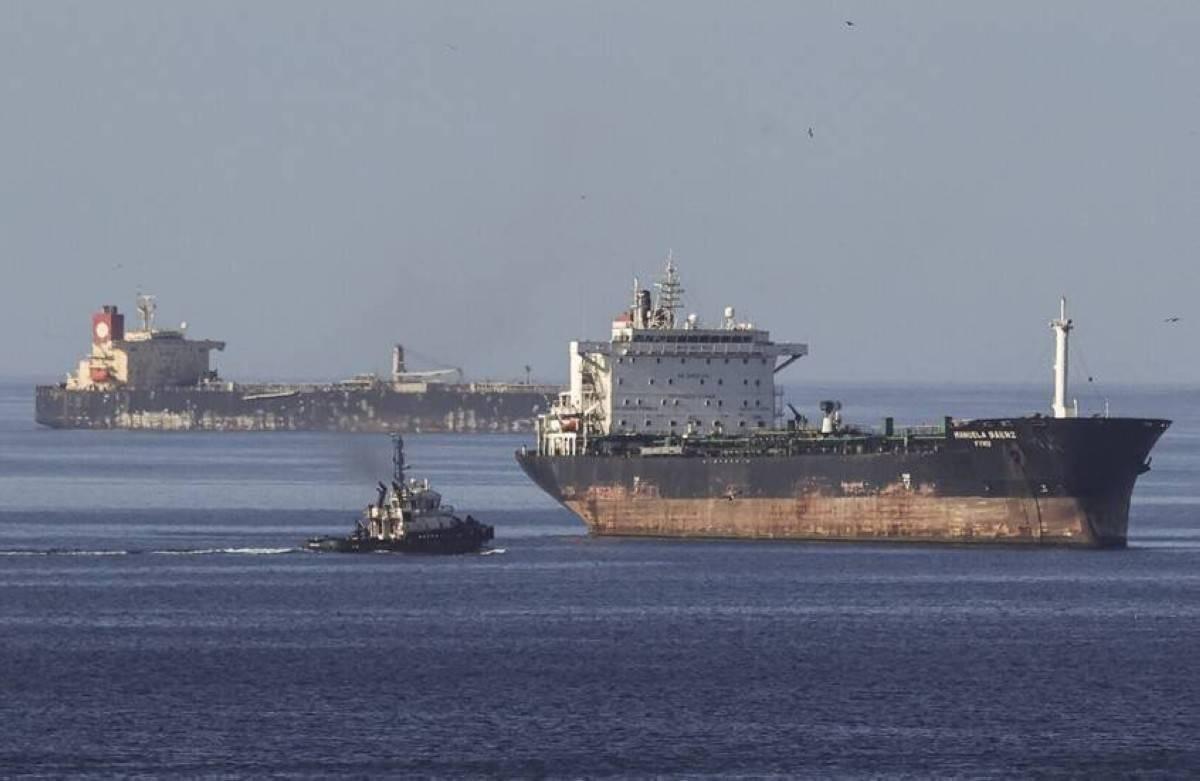
The talks collapsed hours after the U.S. military announced two warships had transited the Strait of Hormuz.
“What to know about the Iran war today: - Vice President JD Vance, senior envoy Steve Witkoff and President Trump's son-in-law Jared Kushner departed Pakistan without a peace deal following face-to-face talks with Iranian leaders and Pakistani negotiators in Islamabad”
Iran's joint military command denied the claim.
The closure of the strait had caused a spike in oil and gas prices.
The war also severely weakened Iran's leadership.
Trump asserted that Iran's new rulers are more moderate, though there is little evidence of that.
Reactions and Next Steps
Iran's parliament speaker said it was time for the U.S. to decide whether it can gain Iran's trust.
Pakistani Foreign Minister urged all parties to maintain the ceasefire.
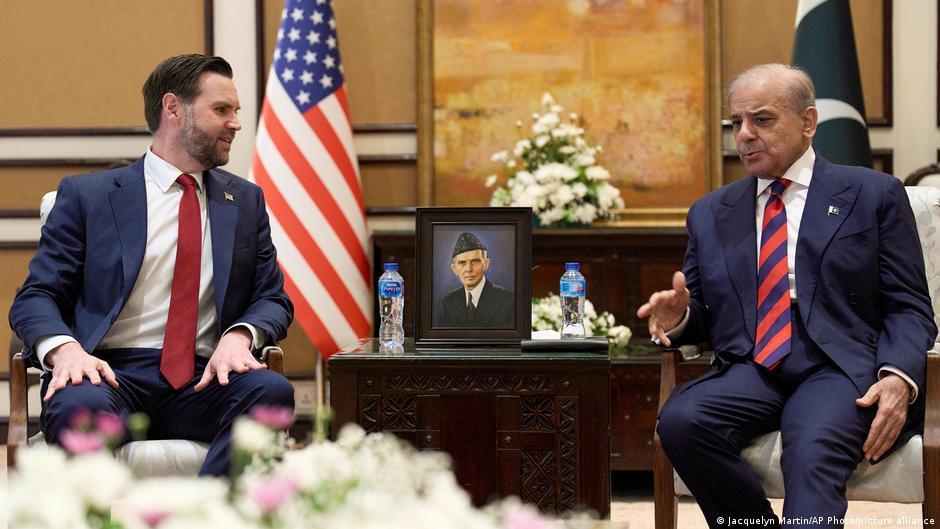
The failure of the talks leaves the region at risk of renewed hostilities.
More on Iran
US-Iran Ceasefire Talks Fail Over Nuclear Program and Strait of Hormuz Control
20 sources compared

US-Iran Talks Fail After 21 Hours as Tehran Rejects Washington's Demands
65 sources compared

US-Iran Talks in Islamabad End Without Agreement After 21 Hours
55 sources compared
Trump Threatens Naval Blockade to Reopen Strait of Hormuz Amid Iran Ceasefire Violation
19 sources compared