
US, Israel Attack Iran, Inflict Heavy Damage on Iran's Command Structure
Source limitations and methodology
Note on sources and limitations: only two article excerpts were provided (Los Angeles Times and Jacobin).
“The US/Israeli attack on Iran has inflicted heavy damage on its command structure, but the Iranian system is designed to withstand such pressure”
I cannot meet the request to include 3–5 different source types per paragraph, so the summary below draws strictly from those two pieces and cites verbatim passages from them.
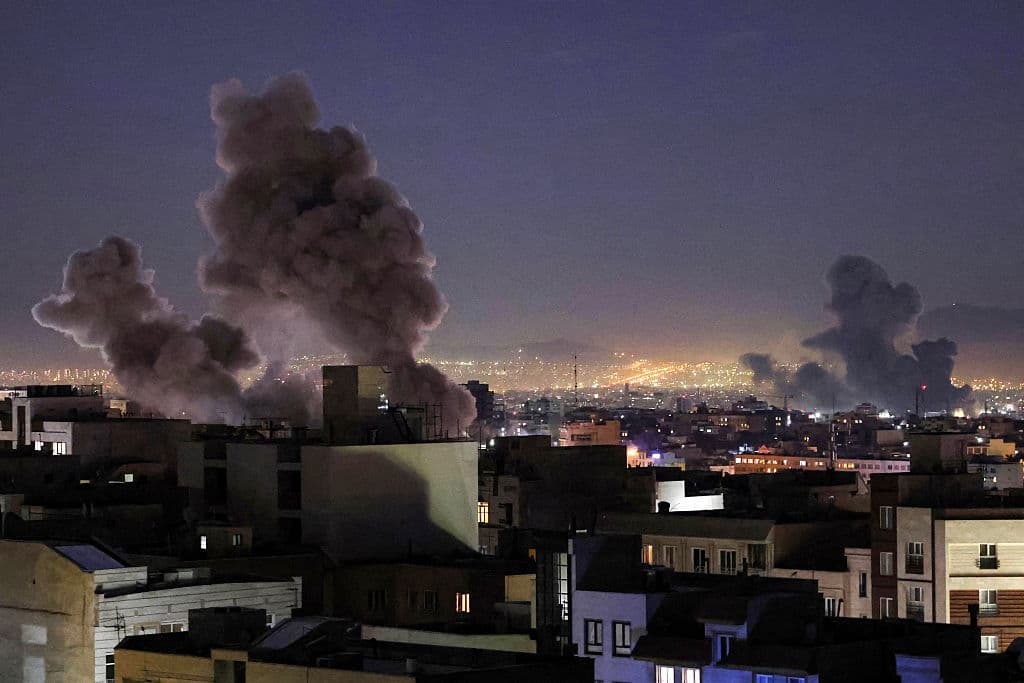
Iran strike objectives and effects
The pieces report that the U.S. and Israel executed a massive campaign against Iran, striking more than 2,000 targets and killing Supreme Leader Ayatollah Ali Khamenei.
The campaign's explicit aim was to force Iran to capitulate or collapse.
Analysts quoted in Jacobin say the strikes "achieved their immediate aims" by seizing air-domain initiative and disrupting Iranian command-and-control.
Those effects did not produce a decisive systemic collapse.
Campaign effects on Iran
Jacobin emphasizes that the campaign specifically targeted and disrupted Iranian command-and-control and degraded missile and sensitive nuclear-related infrastructure, measures intended to blunt Iran's ability to coordinate retaliatory strikes.
“The US/Israeli attack on Iran has inflicted heavy damage on its command structure, but the Iranian system is designed to withstand such pressure”
The Los Angeles Times frames the campaign as part of an effort to apply maximal conventional pressure on Tehran's leadership and institutions.
Regional retaliation and fallout
Both sources describe a widening of the conflict beyond Iran’s borders.
The Los Angeles Times reports that Iranian drones and missiles hit high-rise buildings in Bahrain and struck Israel.
The Los Angeles Times says an attack forced Saudi Aramco to suspend operations at an oil-storage facility.
The Los Angeles Times also reports a drone strike closed Qatar’s largest LNG export facility and that shipping is avoiding the Strait of Hormuz.
Jacobin says Iran’s retaliation has been notable for its breadth and repetition rather than pinpoint accuracy, causing damage, debris and psychological shock across Gulf states.
Campaign outlook and uncertainty
Both pieces emphasize uncertainty about whether the campaign will produce a strategic victory or a viable exit.
“The US/Israeli attack on Iran has inflicted heavy damage on its command structure, but the Iranian system is designed to withstand such pressure”
Jacobin argues Iran's system is built to absorb punishment and that a longer, protracted conflict is likely with political factors shaping the outcome.
The Los Angeles Times asks whether a diplomatic or other exit exists from the rapidly escalating conflict and highlights economic disruptions and regional instability as complicating factors.
Key Takeaways
- U.S. attack aimed to cripple Iran’s military capability
- The attack inflicted heavy damage on Iran’s command structure
- Political calculations and unclear U.S. objectives complicate the war’s course
More on Iran

President Trump Attends Dignified Transfer For Six U.S. Service Members Killed In Iranian Drone Strike
31 sources compared
Iran Apologizes to Neighbors, Halts Strikes Unless They Attack, President Pezeshkian Says
47 sources compared

US Forces Likely Struck Iranian Girls' School, Killing Dozens, US Military Investigators Say
31 sources compared

President Donald Trump Demands Iran's Unconditional Surrender, Rejects Any Deal to End U.S. War
60 sources compared