
US, Israel Demand Iran Cede Territory And Pay Reparations As Ceasefire Preconditions
Key Takeaways
- The 15-point plan on Iran anchors U.S.-Israel diplomacy.
- Washington signals escalation while pursuing diplomacy, including potential 'decisive blow' if talks fail.
- The conflict has endured roughly four weeks, with negative economic impact.
Iran rejects 15-point plan
Tehran's official reply framed the plan as 'extremely maximalist and unreasonable'.
“The war launched by the United States and Israel against Iran continues, even as efforts to reach a diplomatic solution increase and there are conflicting claims about possible negotiations”
There are public indications of disputes between Israel and the White House over three elements of the package, notably the missile program and enriched uranium.

Iran also demands recognition of sovereignty over the Strait of Hormuz and compensation for damages as prerequisites to any ceasefire.
Breakdown of plan demands
The plan is reported to call for dismantling Iran's stockpiles of highly enriched uranium, halting enrichment, and restricting the ballistic missile program.
It also envisions controls on the Strait of Hormuz and halting Tehran's funding for allied groups in the region.

Some accounts mention sanctions relief or easing, but it's framed as a negotiation lever rather than a guaranteed outcome.
Iran's terms, damages, Hormuz
Tehran's reply reportedly demanded an end to aggression and assassinations by the 'enemy' and payment of damages, clearly defining responsibilities.
“Tehran sent its official reply last night through intermediaries to the American 15-point ceasefire proposal and is awaiting the other side's response, according to an informed source cited by the Iranian news agency Tasnim”
Iranian officials also insisted that Hormuz sovereignty is a natural and legal right.
Analysts say Tehran wants to end the war on its own terms and to deter any restart of hostilities.
Diplomacy, mediation and brinkmanship
Pakistan’s prime minister said Islamabad is prepared to host negotiations to stop the US-Israeli war with Iran.
China’s Wang Yi said 'talking is always better than fighting' and French President Macron urged Tehran to engage in good-faith negotiations.
Some outlets report Washington is pressing for a one-month ceasefire to discuss the 15-point plan.
Energy and regional security stakes
Crisis in the Strait of Hormuz has been reported, with about 2,000 vessels and 20,000 seafarers stranded, threatening global shipping lanes.
“The war launched by the United States and Israel against Iran continues, even as efforts to reach a diplomatic solution increase and there are conflicting claims about possible negotiations”
Saudi Arabia reported multiple attacks against the Eastern Province, with Saudi forces shooting down at least 32 drones and a ballistic missile in the past 11 hours, underscoring the widening threat.
Casualties have been reported in Bahrain, and Gulf energy flows face continued disruption as markets price the risk higher.
More on Iran

Iran Allows 20 Pakistani-Flagged Ships Through Strait Of Hormuz
14 sources compared
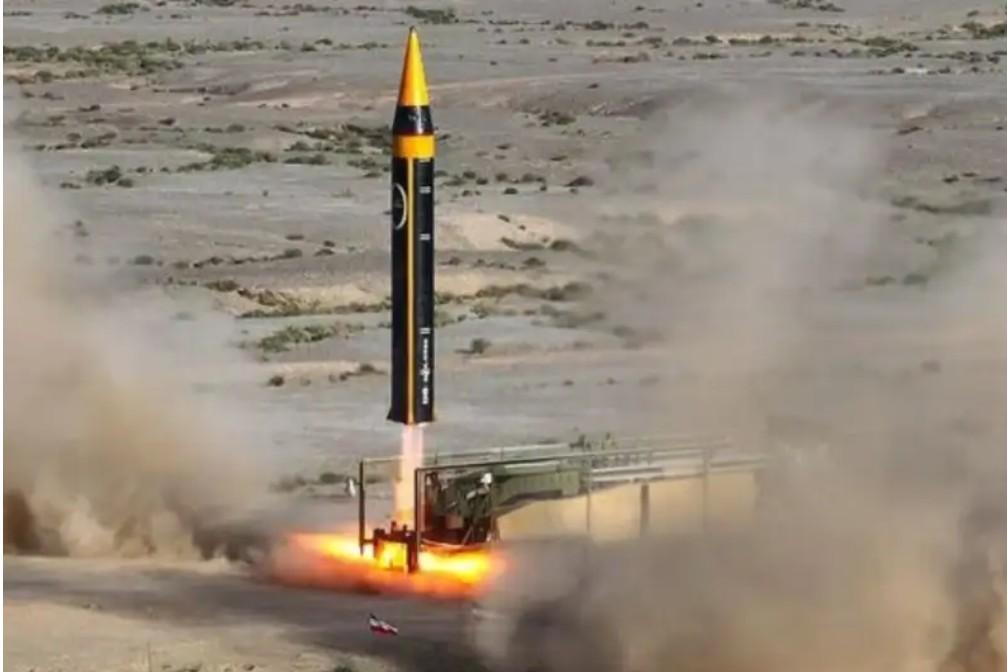
Houthis Formally Enter Iran-Israel War By Firing Missiles And Drones At Israel
16 sources compared
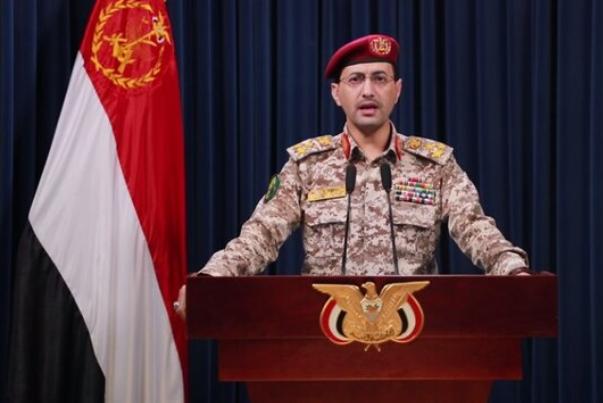
Houthis Launch First Missiles At Israel, Joining Iran War And Threatening Red Sea Routes
75 sources compared

Pentagon Plans Weeks-Long Ground Operations In Iran
21 sources compared