
US-Israel Strikes Ravage Iran Economy, Kill 250 Civilians at Mobarakeh Steel
Key Takeaways
- Joint US-Israeli strikes hit Iran's steel and oil infrastructure.
- Oil prices surged and global markets reeled due to the conflict.
- Iran pledged retaliation against US and Israel amid the strikes.
Economic Warfare
US-Israeli strikes extended beyond military targets to critical economic infrastructure.
“Breaking News Click to pause breaking news tickerpause-simpleClose Breaking News Tickerclose-prominent Trump says US to 'finish Iran job' soon as strategic objectives near completionIran denies seeking ceasefire, keeps up attacks on Israel, US assetsKuwait puts out fire at airport; Bahrain, UAE, Saudi Arabia down missiles Click to pause breaking news tickerpause-simpleClose Breaking News Tickerclose-prominent Toggle Play US-Israeli attacks and its impact on Iran’s economy Al Jazeera’s Tohid Asadi explains how US-Israeli attacks on Iran is hurting Iran’s economy and how civilians bear the brunt of the war”
Iran's largest steel producer, Mobarakeh Steel Company, suffered heavy losses and technical bankruptcy.

Mobarakeh was a cornerstone of the Iranian economy, employing tens of thousands directly.
The Guardian explained these attacks aimed to starve the regime of foreign currency.
The Council on Foreign Relations cautioned about rising domestic unrest.
Civilian Infrastructure Bombed
US-Israeli strikes targeted civilian infrastructure, exacerbating humanitarian costs.
A small oil refinery was set ablaze and three power plants were hit causing outages.

The Bushehr nuclear plant entered a cold shutdown after civilians regained control.
The Guardian noted the lines between military and civilian infrastructure are blurring.
Cash in Circulation Collapses
Iran's financial system buckled under war and sanctions.
“The American–Israeli strikes on Iran, which killed Supreme Leader Ali Khamenei and were followed by an Iranian response targeting Israel and American bases in the Gulf, pushed oil markets to the forefront of the global stage amid growing fears of supply disruption through the Strait of Hormuz”
The central bank increased money supply by 4, sparking collapse in public confidence.
Tehran's Grand Bazaar was semi-closed.
Global supply chain disruptions reached Iran as the Red Sea remained closed.
Food Prices Soar
Food prices surged 16 percent in one week.
Poultry prices jumped 25 percent, cucumbers 29 percent, tomatoes 33 percent in Tehran.

Banks imposed withdrawal limits and businesses faced logistical nightmares.
Europe's energy-intensive industries felt ripple effects as Brent surpassed $90.
More on Iran
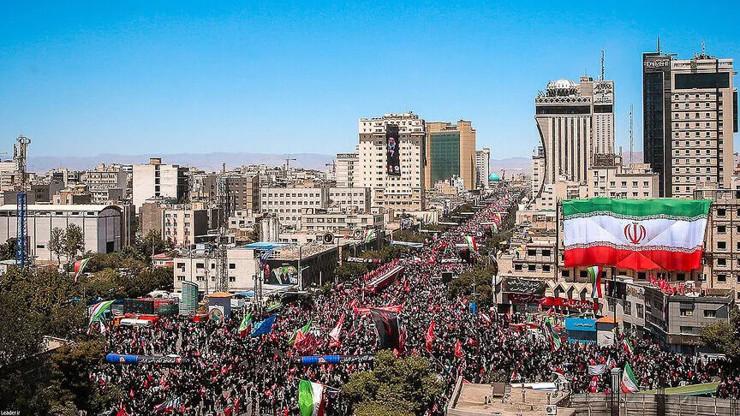
Israeli Strike Kills Ayatollah Ali Khamenei, Buried at Imam Reza Shrine in Mashhad
19 sources compared
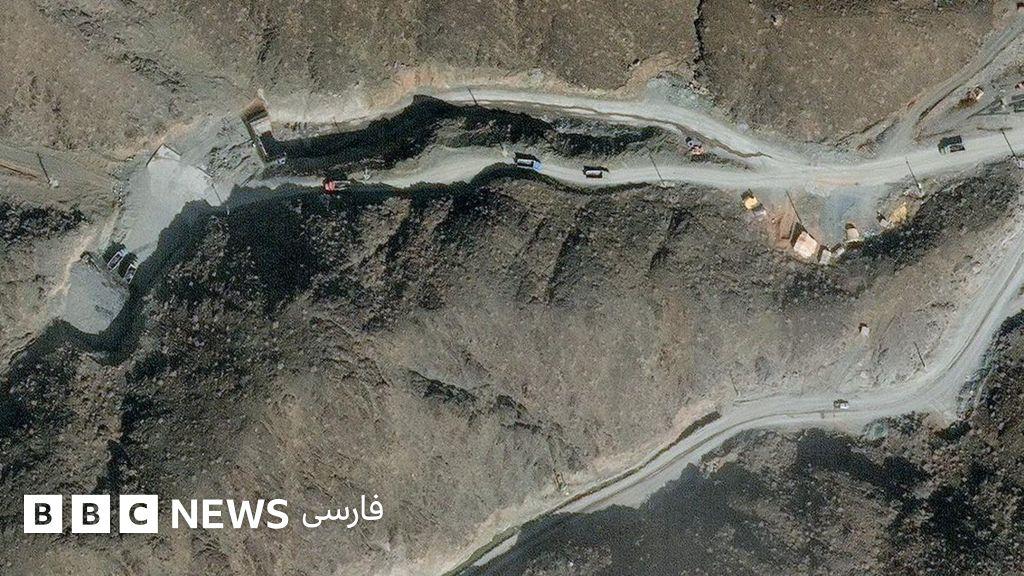
Iran Attempts To Restore Nuclear Sites Damaged In US And Israel Strikes, CNN Satellite Images Show
15 sources compared
Abbas Araghchi and Prince Faisal Bin Farhan Discuss Regional Developments After US Attacks
11 sources compared

Trump Says U.S. Agreed to Continue Iran Talks, Ceasefire Is Over
19 sources compared