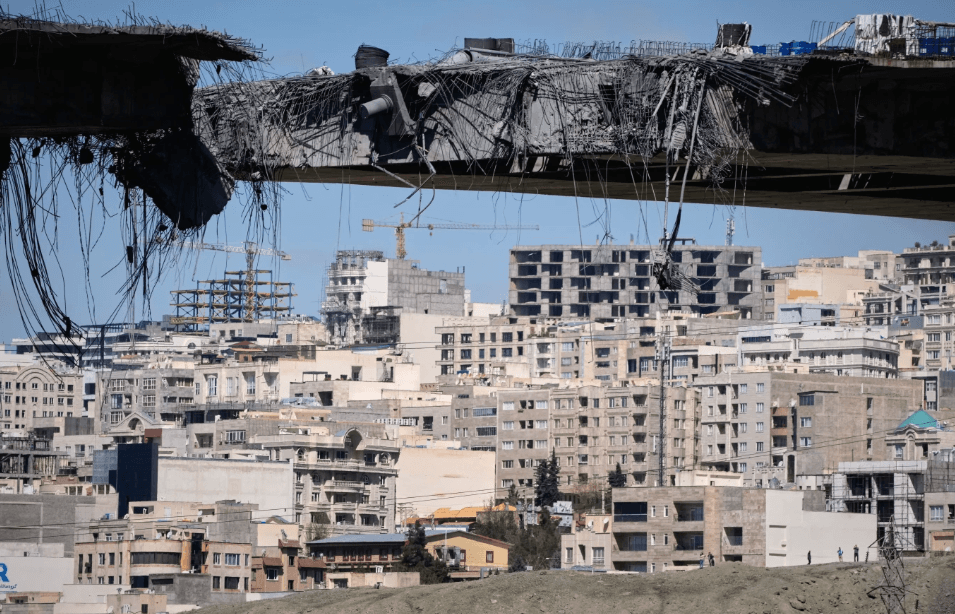
US-Israeli Forces Destroy Iran's B1 Bridge, Kill 8 Civilians
Key Takeaways
- US-Israeli strike on Karaj's B1 Bridge kills eight and injures about 95.
- B1 Bridge in Karaj, a landmark and major transport link, was destroyed.
- Trump publicly praised the bombing and warned of further Iranian infrastructure strikes.
Bridge Strike Kills Eight
US-Israeli forces struck and destroyed Iran's B1 bridge, killing eight and injuring 95.
“Iran's Foreign Minister condemned the strike, accusing adversaries of targeting civilian infrastructure and stating such actions would not lead to submission”
The bridge was still under construction and not yet operational.

Many casualties were people picnicking nearby for Nowruz.
President Trump celebrated the strike and warned of more to follow.
Iranian Foreign Minister condemned the targeting of civilian infrastructure.
Iran Lists Gulf Bridges as Potential Targets
Iran began identifying key infrastructure across the region as potential targets for retaliation.
Fars News Agency published a list of eight major bridges across the Middle East.

The identification signals a potential widening of the conflict.
Trump Threatens More Strikes
Trump warned Washington hasn't even started destroying what's left in Iran.
He threatened strikes on bridges and electric power plants.
The Atlantic Council described the campaign as a high-risk gamble.
Congressional Democrats demanded briefings on the war's legality.
Civilian Toll and Infrastructure Damage
The US-Israeli campaign destroyed more than 150 bridges and 43 power plants.
Power outages affected over 70% of Iran's population.

The war claimed nearly 1,350 lives in Iran.
Roughly 40 protests were recorded in March.
More on Iran
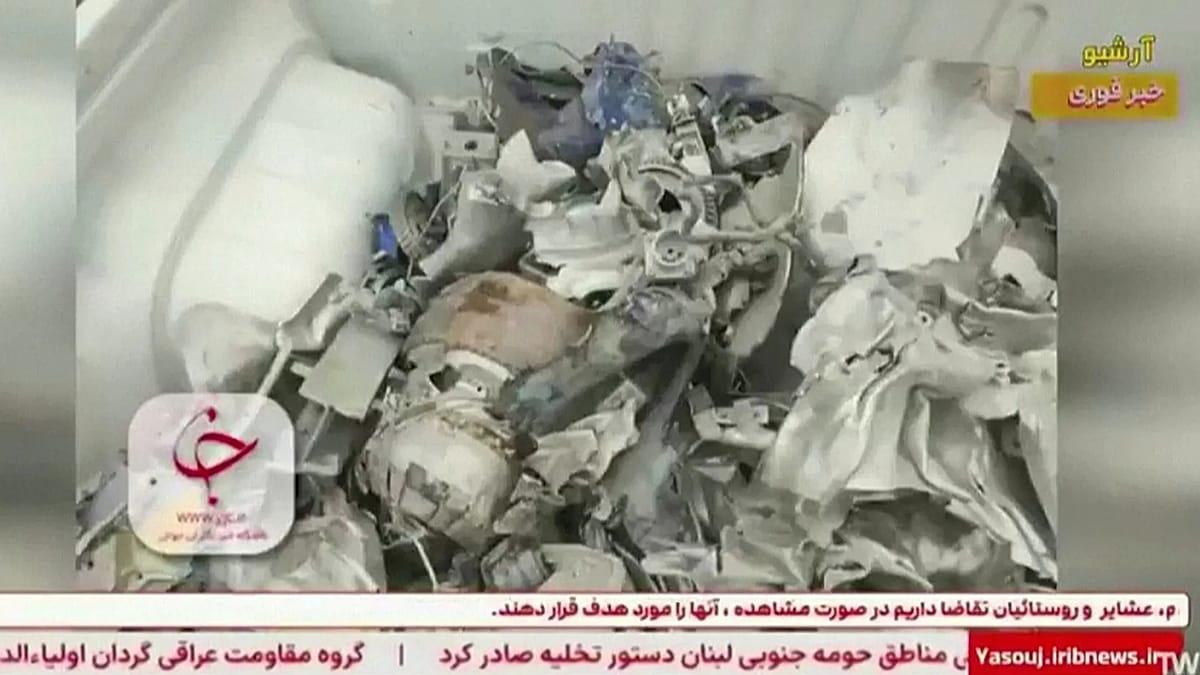
US F-15E Shot Down Inside Iran; One Crew Rescued, Second Missing
29 sources compared
Trump's Iran War Wounds GOP and Divides MAGA Base Ahead of Midterms
14 sources compared

Iran Retaliates on Energy and Trade as US-Israeli Bombing Devastates Cities
14 sources compared
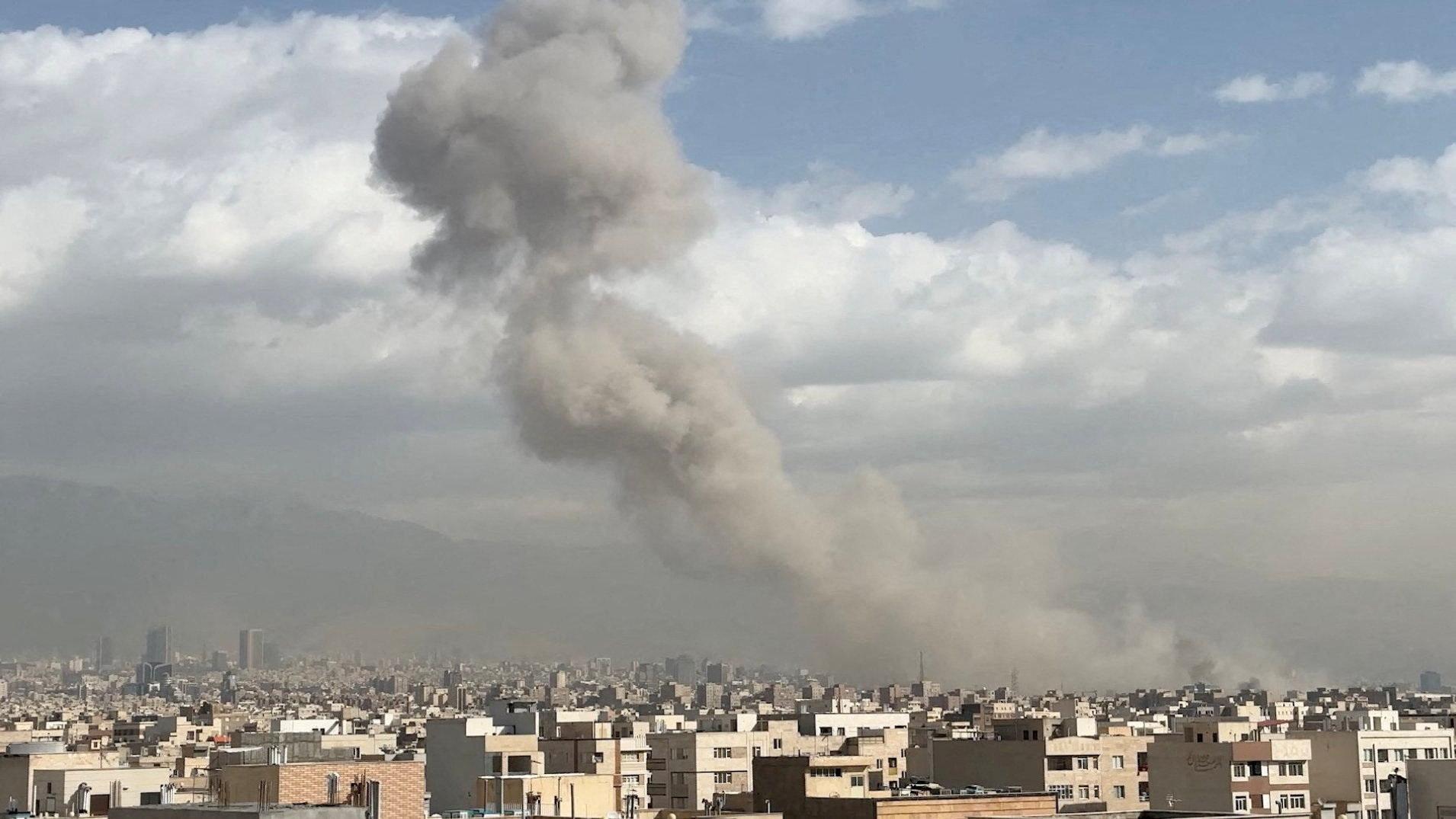
Iran War Divides Diaspora, Spurs Regional Uncertainty at Stanford
10 sources compared