
US-Israeli Strikes Assassinate Khamenei, Bomb Natanz, Kill 214
Key Takeaways
- Houthis enter the Iran–Israel war by launching missiles at Israel.
- Red Sea shipping disruptions feared, threatening global trade and energy routes.
- U.S. Marines and allied forces deploy as regional escalation intensifies.
US-Israeli Forces Bomb Iran
US-Israeli forces launched coordinated strikes across Iran on February 28, 2026.
The campaign targeted nuclear facilities and missile infrastructure.

US-Israeli attacks assassinated Supreme Leader Ayatollah Ali Khamenei and Defense Minister Amir Hatami.
The Iranian Red Crescent reported 214 dead including 153 at a girls' school in Minab.
The Atlantic Council described the campaign as a major shift toward regime change.
Iran Retaliates Across Region
Iran retaliated by declaring the Strait of Hormuz closed and launching missile strikes on Israel killing at least 11 people.
Iran's defense ministry threatened no mercy or forgiveness after strikes assassinated Supreme Leader Khamenei.

The closure of the Strait sent shockwaves through energy markets.
UN Secretary-General Guterres condemned all military strikes as violations of international law.
Hezbollah and Gulf States Draw In
Hezbollah fired missiles at Israeli targets, killing at least one Israeli.
Israeli retaliation killed at least 13 people in Lebanon.
Gulf Arab states launched limited retaliatory strikes on Iranian targets.
Global Economic Shock
Iran's closure of the Strait of Hormuz redirected tens of millions of barrels of daily crude exports.
Saudi Aramco halted shipments through the Strait for 72 hours.

Global energy benchmarks reacted with increases.
More on Iran
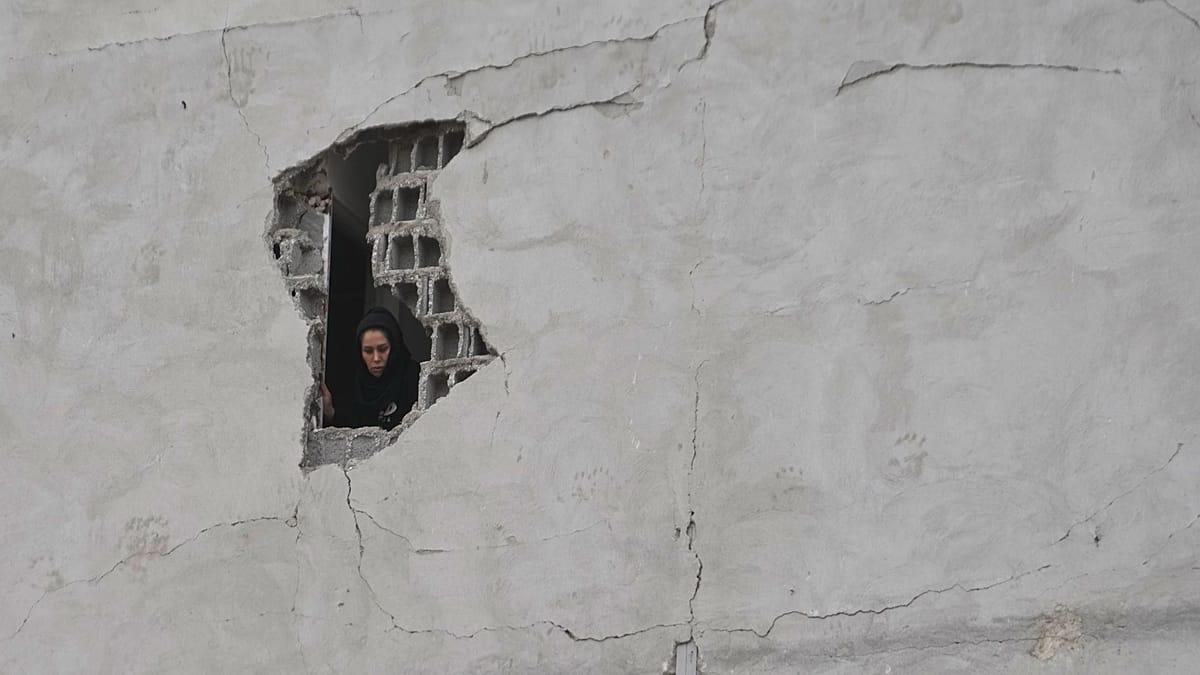
War in Iran Sparks Global Economic Shock as Oil Surges Past $100
28 sources compared

Iran's IRGC Seizes De Facto Control, Blocks President's Appointments
10 sources compared
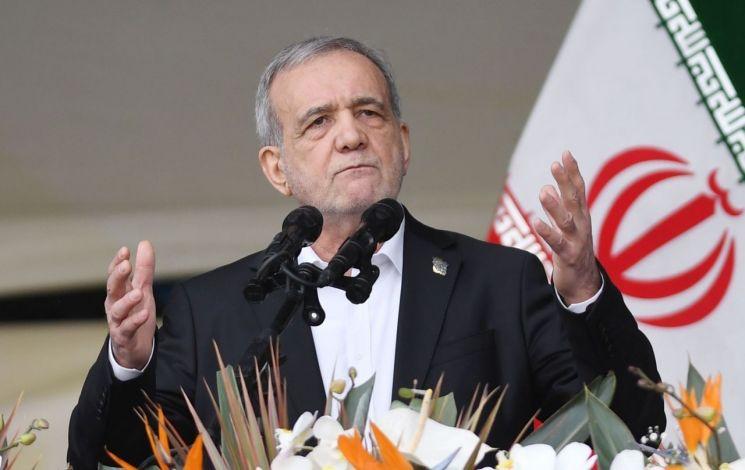
Iranian President Pezeshkian Writes Open Letter to Americans
20 sources compared
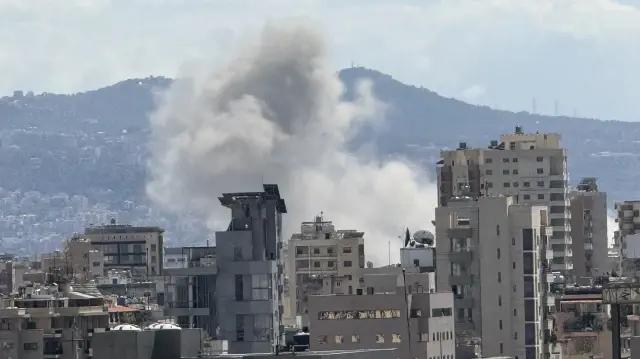
Israel Assassinate Senior Hezbollah Commander Youssef Hashem in Beirut
17 sources compared