Iran05 March, 20263 min read
U.S., Israeli Strikes Hit Iranian Girls' School, Killing At Least 165, Satellite Images Show
This article is an automated aggregation of coverage from news outlets. Our editorials offer in-depth analysis curated by the NewsCord team.
Satellite imagery shows multiple strikes damaged Shajareh Tayebeh school and adjacent military facility Attack killed at least 165–168 people, many of them children, Iranian authorities said
Minab school strike reports
Iranian officials say the Shajareh Tayyebeh girls’ school in Minab, Hormozgan province was struck on the morning of Feb. 28, killing scores of children and staff.
“Iranian officials say a school in Minab, Hormozgan province, was struck on the morning of Feb. 28 during the opening day of a US‑Israeli military campaign, killing scores of children and staff. The Shajareh Tayyebeh girls’ school — attended mainly by girls aged about seven to 12 — was reportedly hit by five airstrikes; authorities say 168 students, at least 14 teachers and staff, and four parents have been confirmed dead.”
Authorities reported large confirmed losses including students, teachers and parents.
Global Village Space reported the school was struck "on the morning of Feb. 28 during the opening day of a US-Israeli military campaign, killing scores of children and staff" and that "authorities say 168 students, at least 14 teachers and staff, and four parents have been confirmed dead."
United News of Bangladesh noted the timing and location detail: "A strike around 10:45am local time on Saturday hit a site that included a school and a nearby IRGC compound."
The Guardian said Iranian state media "put the toll at up to 168 killed and 95 injured," while noting those figures could not be independently verified because of reporting restrictions.
School site aftermath
Reports and footage from the scene describe harrowing images of the school site and the victims recovered there. The Guardian’s on‑the‑ground reporting and video captured bloodied children’s backpacks, a severed arm pulled from rubble, and distraught relatives searching through debris, and noted local accounts that the morning session typically included about 170 pupils.
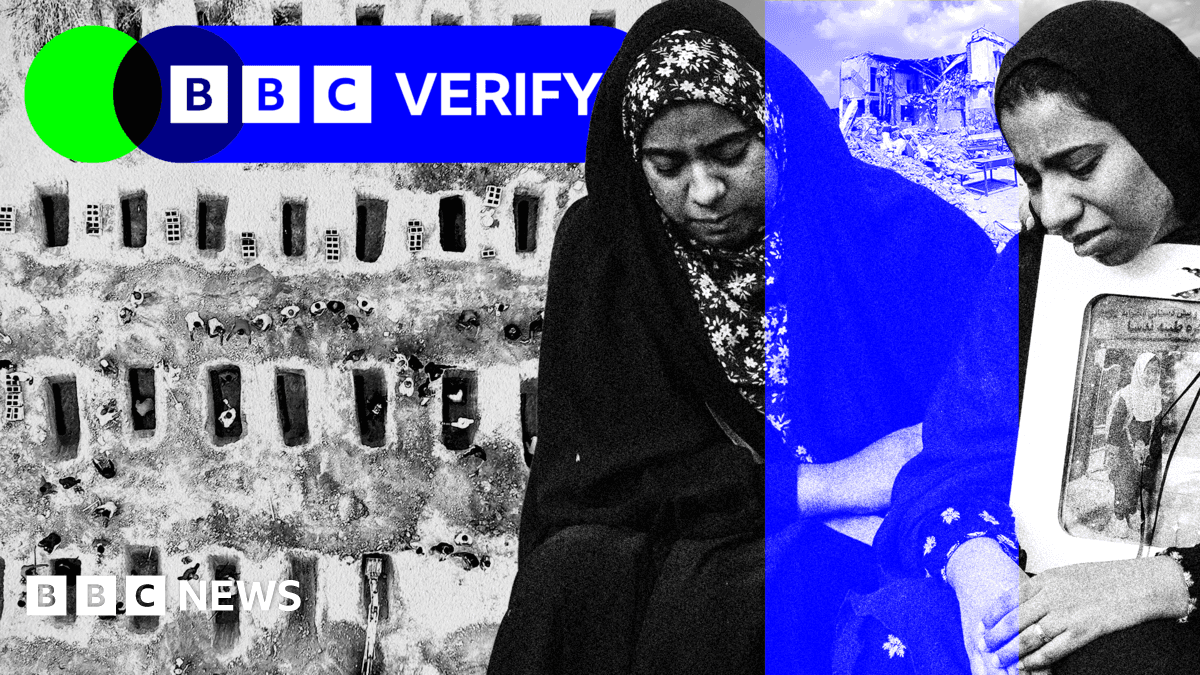
Global Village Space described overwhelmed mortuaries and mass recovery efforts, saying rescue crews recovered bodies from the rubble over several days, morgues were overwhelmed, and refrigerated trucks were used. United News of Bangladesh recorded visual evidence of schooling items among debris and later burials, reporting verified video showing smoke rising from the school and the IRGC facility, rescuers and families searching rubble, children's schoolbags and books among debris, and aerial footage days later showing rows of freshly dug graves.

Assessment of school attack
Multiple independent signals — the number and pattern of impacts, satellite imagery, and geolocation of video — have been used to characterise the attack and its setting next to a military facility. Global Village Space reported the school was reportedly hit by five airstrikes. United News of Bangladesh quoted a munitions expert saying the cluster of impact sites suggests multiple simultaneous strikes and that satellite images taken several days after revealed more extensive destruction than initially apparent.
“The Shajareh Tayyebeh girls’ school — attended mainly by girls aged about seven to 12 — was reportedly hit by five airstrikes; authorities say 168 students, at least 14 teachers and staff, and four parents have been confirmed dead.”
The Guardian said it used verified video, geolocation and satellite imagery to confirm the school's location next to an IRGC compound that includes a medical clinic and cultural complex. The Guardian also noted the school itself appeared non-military and walled off.
Responses to strike
Responses to the strike were immediate and contested: Iranian officials and grieving relatives blamed the United States and Israel, while US and Israeli authorities denied responsibility or said they would investigate. Global Village Space reported that Iranian leaders and grieving relatives blamed the US and Israel for the strike and that Foreign Minister Abbas Araghchi posted images on X condemning the attack. United News of Bangladesh said Iranian authorities blamed the United States and Israel, but that neither country had accepted responsibility, with Israel saying it was unaware of operations there and US Defense Secretary Pete Hegseth saying Washington is investigating and does not target civilians.
The Guardian reported that US Central Command said it was 'looking into' reports of civilian harm and that US officials said they would investigate if the strike was theirs, while citing UNESCO calling the attack a 'grave violation' of international law. The outlets' statements contradict each other on who was responsible for the strike.
