
IRGC Seizes Two Ships in Strait of Hormuz After Trump Extends Ceasefire
Key Takeaways
- IRGC seized two ships in the Strait of Hormuz and took them to Iran's coast.
- The seizures followed attacks on vessels, including gunboat fire against at least one ship.
- Trump extended the Iran ceasefire, prolonging talks while the US naval blockade remains.
Hormuz Seizures After Truce
Iran’s Islamic Revolutionary Guard Corps (IRGC) seized two ships in the Strait of Hormuz after President Donald Trump extended the ceasefire with Iran, according to CNN and NBC News.
CNN reported that the IRGC said it would “shut off the strait until the US blockade was lifted,” and later stated that the “two vessels were seized in the Strait of Hormuz and transferred to Iranian waters.”

NBC News described the same sequence as “Iran seizes ships in Strait of Hormuz after Trump extends ceasefire,” saying Trump gave Iran’s leaders time to “come up with a unified proposal” while the U.S. naval blockade would continue.
The BBC added that Iran’s navy said it had seized two cargo ships and taken them to the country’s coast after reports that “three vessels came under fire from Iranian forces.”
In CNN’s account, there was “no independent confirmation of the seizures,” while the UK Maritime Traffic Organization (UKMTO) earlier said two container ships had been fired on.
CBS News likewise tied the attacks to the truce extension, reporting that the UK Maritime Trade Operations Centre said an IRGC “gun boat” fired on a container ship and later reported a second incident involving a cargo ship.
Across the reporting, the IRGC’s framing centered on authorization and navigation tampering, with CBS quoting the IRGC statement that “Disrupting the order and safety of the Strait of Hormuz is our red line.”
Timeline, Talks, and Blockade
The seizures and attacks unfolded as the U.S. and Iran navigated a fragile ceasefire and shifting diplomacy, with multiple outlets describing how the truce extension changed the immediate deadline for peace talks.
CNN said Trump extended the ceasefire “until peace talks have ended,” even though he had previously vowed not to prolong it, and Trump told reporters the U.S. was waiting for a “unified proposal” from Iran’s “fractured” government.

NBC News reported that Trump extended the ceasefire “indefinitely” so its leaders “can come up with a unified proposal,” while also stating that the “naval blockade Tehran considers an act of war will continue.”
BBC News provided a longer sequence, saying the initial truce was due to expire on Wednesday and that Trump extended a “two-week ceasefire with Iran until talks between the two nations come to a conclusion.”
BBC also described the blockade timeline, saying that on 13 April “the US then started a naval blockade of maritime traffic entering and leaving Iranian ports,” and that Trump announced the blockade less than a day after lengthy talks in Pakistan failed to reach a deal.
CNN said the Iranian Ambassador Reza Amiri Moghadam convened with Pakistan’s Prime Minister Shehbaz Sharif in Islamabad on Wednesday, and it quoted the Pakistani prime minister’s office readout that Moghadam called on Sharif “to discuss the ongoing regional situation and peace efforts.”
CNN further said Islamabad emerged as a mediator after the US-Israeli attack triggered regional violence, and it reported that Trump agreed to delay an attack “upon the request of Field Marshal Asim Munir, and Prime Minister Shehbaz Sharif, of Pakistan.”
The same CNN account said Iran’s foreign ministry spokesperson Esmail Baghaei responded to questions about negotiations by saying “Diplomacy is a tool to ensure national interests and security.”
NBC News added that Vice President JD Vance had been expected to lead a delegation to Pakistan but that “a second round of negotiations is now uncertain,” placing the seizures in a context of stalled or unclear talks.
IRGC Claims and Human Accounts
Iran’s IRGC and affiliated outlets described the incidents as enforcement actions against ships they said lacked authorization and tampered with navigation systems, while other reporting focused on ship-tracking and the immediate effects on crews.
“- Published Iran's navy said it has seized two cargo ships in the Strait of Hormuz and taken them to the country's coast after reports that three vessels came under fire from Iranian forces”
CBS News reported that the UKMTO said an IRGC gunboat fired on a container ship “15 nautical miles northeast of Oman,” causing “heavy damage to the bridge” but with all crew “reported safe.”
CBS then said that three hours later UKMTO reported a second incident “8 nautical miles west of Iran,” where a cargo ship said it had been fired on and was “now stopped in the water,” with crew “safe and accounted for.”
CBS also said MarineTraffic data showed the Panama-flagged MSC Francesca and the Greek-operated Epaminondas stopped off the coast of Iran, and it quoted the IRGC confirmation that the ships “were intercepted by the IRGC Navy and escorted to the Iranian coast.”
In CNN’s account, the IRGC said the ships were “allegedly operating without proper authorization, repeatedly violating regulations, and manipulating navigation systems,” and it added that the vessels were intercepted and “stopped in line with what was described as protecting Iran’s national rights.”
BBC News added that Nour News said the IRGC opened fire on the first ship, Epaminodes, after it had “ignored the warnings of the Iranian armed forces,” and it said Fars News Agency reported the Revolutionary Guard was behind the attacks.
BBC also quoted the IRGC Naval Command statement that the seized ships had “endangered maritime security by operating without the necessary permits and tampering with navigation systems,” and it included the IRGC line that “Disruption of order and safety in the Strait of Hormuz is our red line.”
NBC News described ship-tracking details, saying the Euphoria passed through the strait south of the Iranian island of Larak before slowing to “less than one nautical mile per hour” around “5:30 a.m. ET.”
NBC News also said the third ship that Iran attacked was “stranded on Iranian shores,” while Fars reported in a Telegram post that the Greek-owned ship Euphoria was now stranded off Iran’s coast.
Disputes Over Motives and Numbers
While Iran’s statements emphasized maritime violations and navigation tampering, other reporting highlighted uncertainty about what happened to each vessel and how many ships were hit, and it also captured Iranian political pushback against the truce extension.
CNN said there was “no independent confirmation of the seizures,” even as it noted that UKMTO earlier said two container ships had been fired on, and it reported that Iranian media said a third vessel, a Greek-owned ship, was “now disabled off Iran’s coast.”
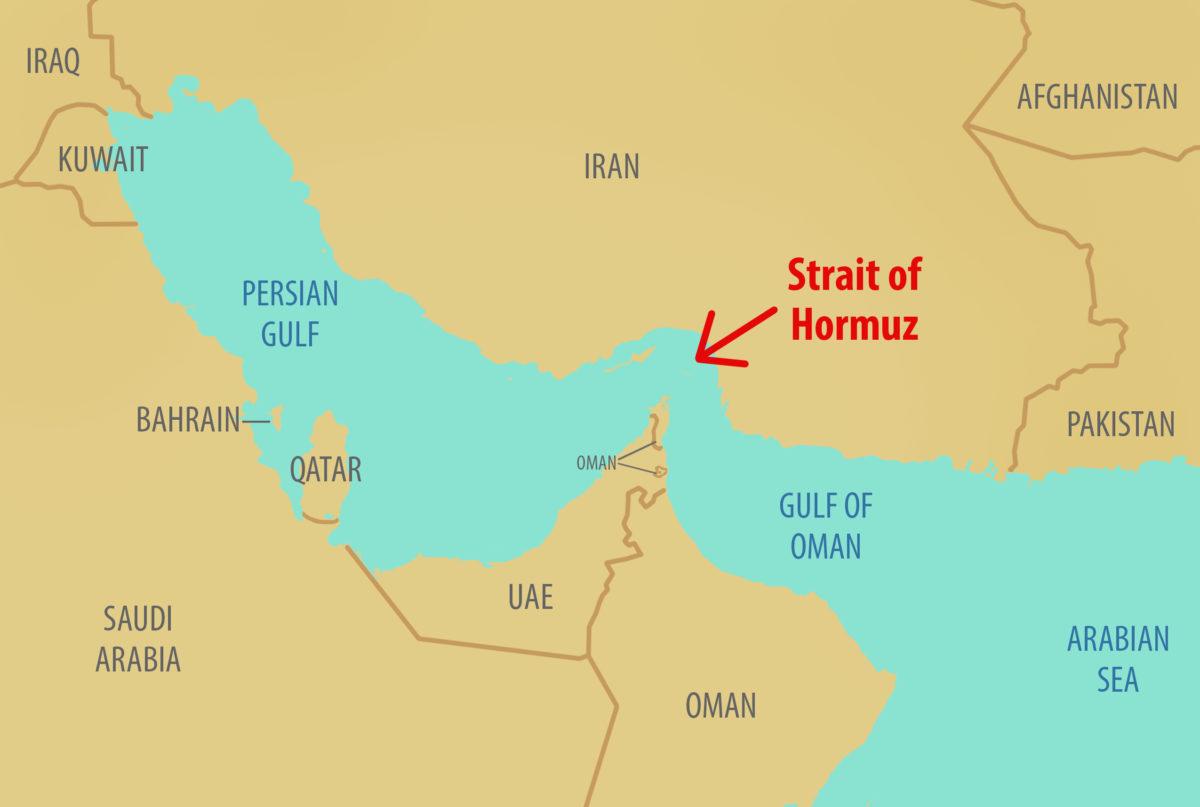
NBC News similarly described “Tracking the 3 ships Iran says it attacked in the Strait of Hormuz,” and it said MarineTraffic data showed two ships appear to be “just off the Iranian coast,” while the third ship was “stranded on Iranian shores.”
BBC News reported that the IRGC opened fire on Epaminodes after it “ignored the warnings of the Iranian armed forces,” then said a second ship, Euphoria, was stopped after being “fired upon,” and it described a third vessel, MSC-Francesca, being targeted as well.
CBS News, however, said BBC News and Reuters reported that a third ship was hit by gunfire in the strait Wednesday, but that UKMTO did not confirm those reports to CBS News, leaving the third-ship account contested in that outlet’s framing.
On the political side, CNBC and BBC both quoted Iranian parliamentary adviser Mahdi Mohammadi saying the extension “means nothing,” and CNBC reported he added that the continuation of the “siege” is “no different form bombardment and must be met with a military response.”
BBC News also quoted Mohammadi’s post that the continuation of the “siege” is “no different from bombardment” and must be “met with a military response,” and it added that he wrote “The time for Iran to take the initiative has come.”
CNN reported that when asked about another round of negotiations, Esmail Baghaei said “Diplomacy is a tool to ensure national interests and security,” and it also said Tehran “will take action” when “the necessary and logical grounds are available to use this tool to realize national interests and consolidate the achievements of the Iranian nation.”
In parallel, CNN said Trump blamed Iran’s “fractured” government for delays and said the U.S. would continue its blockade on Iranian ports, which Iran’s foreign minister previously said amounted to an “act of war.”
Market and Next Steps
The attacks and the continued blockade were tied to immediate economic and diplomatic stakes, with CNBC reporting oil price moves and multiple outlets describing how the blockade and ceasefire extension shaped the next phase of negotiations.
“IRGC confirms it seized two ships in Hormuz strait - Breaking The News Home Markets Economy Business Politics World War/Terrorism Technology Crypto Sports Insights [](https://breakingthenews”
CNBC said oil prices were higher on the news, reporting that Brent crude futures with June delivery traded 1.5% higher at $99.97 per barrel and that U.S. West Texas Intermediate futures with June delivery traded up 1.4% at $90.93.

CNBC also described the UKMTO timeline, saying a vessel reported being fired upon about eight nautical miles off the coast of Iran at 8:38 London time (3:38 a.m. ET), and it said the crew were “safe and accounted for” and the vessel “did not sustain any damage.”
CNBC then said the incident followed an earlier report of an attack roughly 15 miles northeast of Oman at 5:47 a.m. London time, and it described the IRGC gunboat firing and causing “heavy damage” to the bridge.
In CNN, Trump said the U.S. would continue its blockade on Iranian ports and that lifting it would undermine the prospects of a peace deal, while Iran’s foreign minister had previously called the blockade an “act of war.”
NBC News framed the ceasefire extension as giving time for a “unified proposal” while the U.S. naval blockade continued, and it said the status of a second round of talks was unclear.
BBC News added that the initial two-week ceasefire brought “some respite” but that uncertainty remained because the blockade had no concrete peace deal yet in place, and it described how under the terms of the U.S. blockade, American forces would intercept or turn back vessels traveling to or from Iran’s coast “regardless of nationality.”
BBC also reported that Iran’s foreign ministry had told it Tehran had still not decided whether it will attend a new round of peace talks with the U.S.
Finally, the IRGC’s own statements in BBC and the Persian-language accounts in other outlets emphasized that the seized ships would have cargo and documents examined and that actions disrupting transit rules would be met with “firm and legal action,” reinforcing that the next steps after the seizures were likely to involve inspections and continued enforcement.
More on Iran
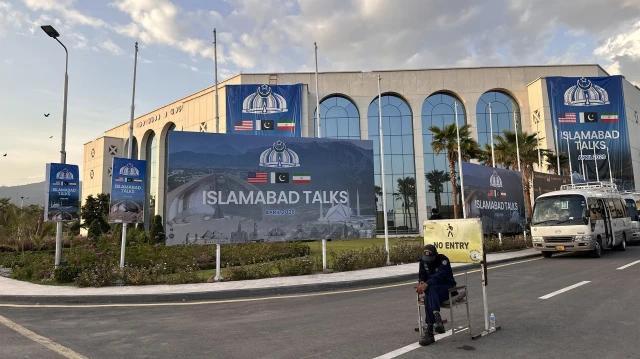
Donald Trump Extends Iran Ceasefire Indefinitely, Keeps U.S. Blockade in Strait of Hormuz
18 sources compared
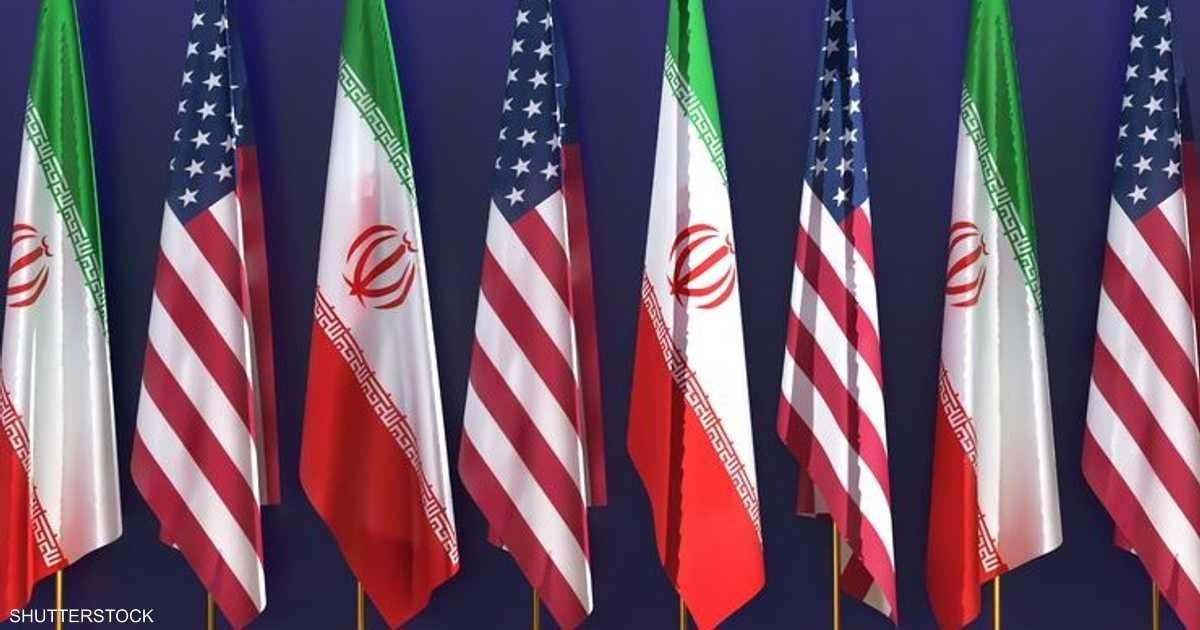
Donald Trump Extends U.S. Ceasefire With Iran, Orders Naval Blockade to Continue
15 sources compared
Donald Trump Extends U.S. Ceasefire With Iran, Keeps Blockade of Iranian Ports
12 sources compared
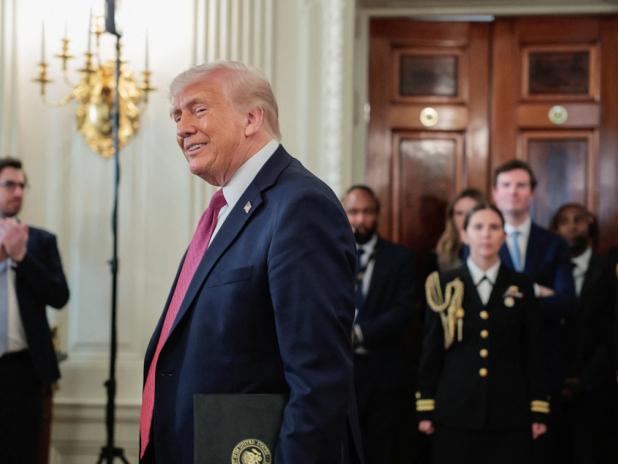
Donald Trump Extends Ceasefire With Iran Indefinitely, Maintains Blockade of Iranian Ports
13 sources compared