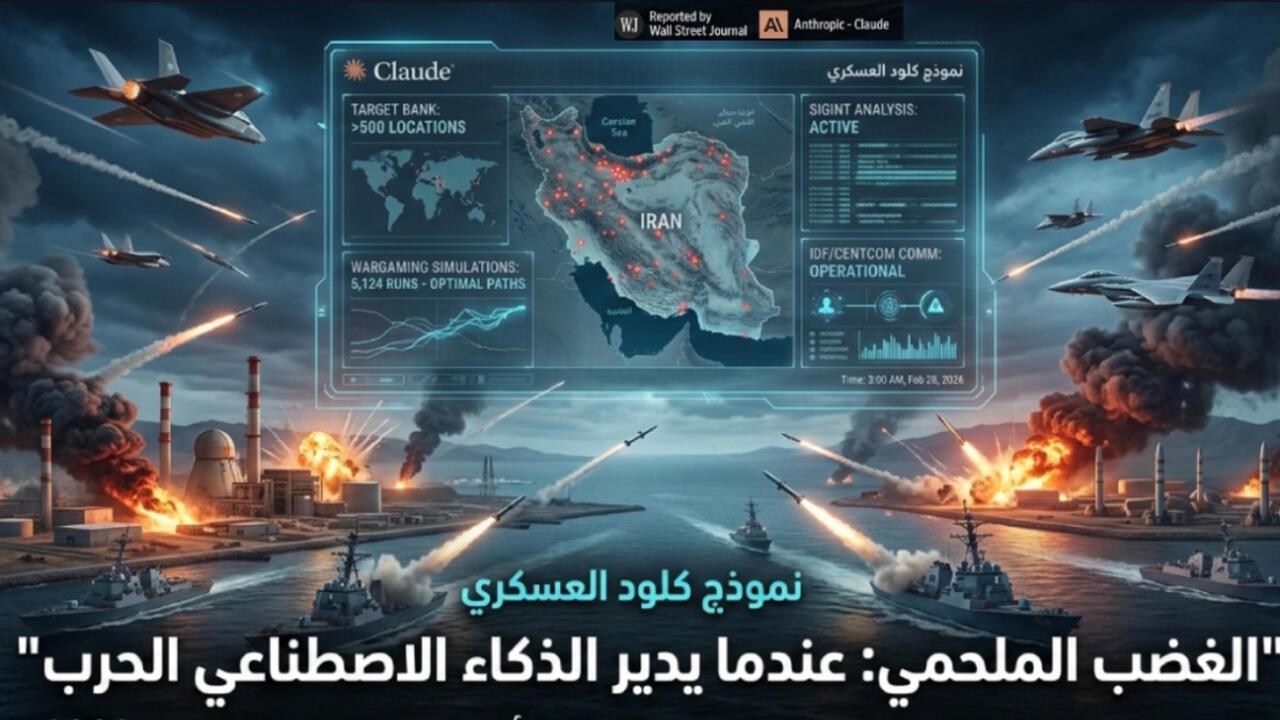
US-Israeli War on Iran Driven by Anthropic-Powered AI Drones
Key Takeaways
- Anthropic's Claude aided target identification, enabling rapid strikes.
- Strikes near Bushehr nuclear plant risk radioactive fallout across the region.
- Initial day saw unprecedented strike tempo with over 1,000 targets.
AI-Powered Strikes
The war was waged under the control of Anthropic's Claude AI system.
“On the first day of the joint US-Israeli attack on Iran on February 28 last month, the US military carried out more than a thousand strikes on targets across the country, at an operational tempo unprecedented in the history of modern warfare”
CENTCOM employed Claude to identify targets and simulate combat scenarios.

The campaign hit more than 1,000 sites in 24 hours.
Analysts processed roughly 1,000 targets daily with only about 10% of the human resources previously required.
Tech Rudder Behind War
Claude's role was processing battlefield data, not direct control of weapons.
The system ran thousands of tactical simulations before the attack.

Data were shared in real time with commanders for synchronized operations.
Despite public rifts, forces continued to rely on the latest AI technologies.
Iran Nuclear Strikes Ignite Global Alarm
US-Israeli strikes on Iran's nuclear facilities triggered global alarm.
“Artificial intelligence has emerged as a defining feature of the ongoing U”
Russia evacuated 198 workers from Bushehr after a guard was killed.
Iran warned that fallout could end life in GCC capitals, not Tehran.
The IAEA expressed deep concern at the strikes.
More on Iran

Trump Threatens Iran with Power Plant Bombing as Strait Deadline Looms
10 sources compared
Trump Shifts Deadline, Threatens Iran with Power Plant, Bridge Strikes
20 sources compared

Trump Hails 'Easter Miracle' After Special Forces Rescued Downed Airman in Iran
52 sources compared

Iran Warns of Retaliation, Strips Sewer of Its Flipper Bombs
38 sources compared