Iran15 June, 20263 min read
U.S. Lifts Iran Oil Sanctions Immediately After Ceasefire Deal Signing
This article is an automated aggregation of coverage from news outlets. Our editorials offer in-depth analysis curated by the NewsCord team.
U.S. lifts Iranian oil sanctions immediately upon signing the ceasefire deal. Exemptions include banking, transportation, and insurance services enabling oil sales.
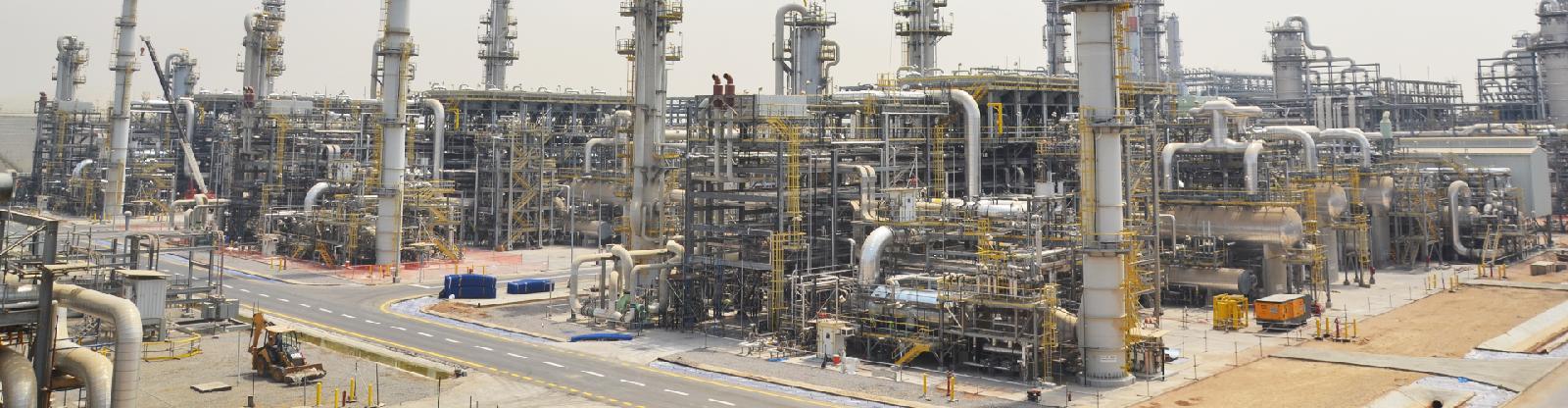
Sanctions lifted under ceasefire
The United States agreed to lift sanctions on Iranian oil sales as part of a deal signed this week to enter into a ceasefire agreement, with waivers described as taking effect upon signing and covering global networks used to conduct transactions. A senior U.S. official, speaking anonymously, said the arrangement is performance-based and that Tehran can only unlock benefits by honoring every term, including forgoing nuclear weapons, neutralizing its enriched uranium stockpile, and keeping the Strait of Hormuz open to commercial traffic. Thedeepdive.ca said the deal ends a period of acute disruption after U.S. and Israeli strikes on February 28, when Iran effectively closed the strait and U.S. forces blockaded Iranian oil exports through a waterway that normally carries roughly 20% of global oil and liquefied natural gas supply.
Thedeepdive.ca reported that the nonprofit United Against Nuclear Iran said an Iranian supertanker had departed Chabahar port on Tuesday under active tracking, clearing the former U.S. blockade line as it entered the Gulf of Oman. Thedeepdive.ca also said Iran would not receive immediate access to frozen funds under the current agreement, while the memorandum lays out a longer path tied to dismantling its nuclear program and destroying enriched uranium stockpiles.
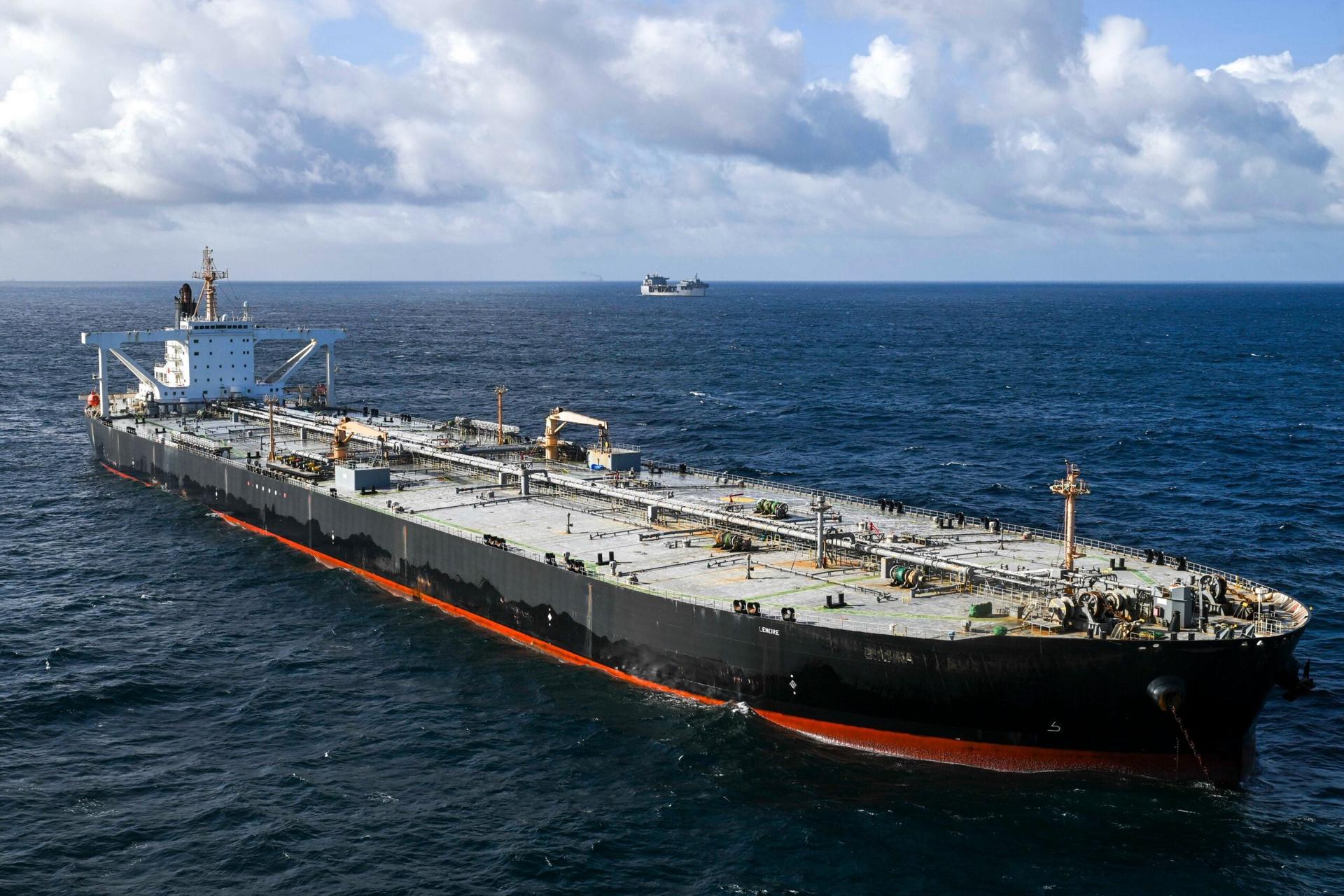
Conditions, timing, and payments
Reuters reporting carried by gCaptain said the U.S. will allow Iran to immediately begin selling oil and fuel under the memorandum of understanding, and that the provision for waiving sanctions on Iranian oil sales takes effect once the agreement is signed this week. gCaptain quoted a senior U.S. official describing the framework as “This is a performance-based agreement,” adding that Iran can only access benefits if it abides by points including “no nuclear weapon, neutralizing its enriched material, and not interfering with the free flow of navigation in the Strait of Hormuz.” gCaptain said the U.S. military blockaded Iranian oil from coming out of the Strait of Hormuz, through which 20% of the world’s oil and liquefied natural gas normally flows, and that Iran effectively shut the strait after U.S. and Israel launched attacks on Iran on February 28.
Brett Erickson, a sanctions expert and managing principal at Obsidian Risk Advisors, called the move a “multibillion-dollar concession to Iran,” saying “After months of blockade pressures, Washington has chosen to provide Tehran with an irreversible financial benefit.” Thedeepdive.ca added that the memorandum lays out a longer path to frozen funds and opens the door to roughly $100 billion in frozen assets alongside a $300 billion reconstruction fund, contingent on Iran dismantling its nuclear program and destroying enriched uranium stockpiles.

Market effects and regional stakes
After the U.S.-Iran accord and an oil-price plunge, the South China Morning Post reported analysts warning of a “grey area” for China firms, with ING analyst Lynn Song saying, “There’s still uncertainty on the longevity of this deal.” The South China Morning Post quoted Lynn Song saying, “New purchases of Iranian oil ostensibly wouldn’t be subject to fresh sanctions,” while Nick Marro of the Economist Intelligence Unit said, “So, there are reasons for optimism, but I still think we should be cautious about this now.” In Al-Siyasa’s discussion of the next phase, oil expert and analyst Kamal Al-Harmi predicted that the price could reach about $90 per barrel during the period of filling global oil storage tanks, and then fall to between $75 and $80 after that period.
Al-Siyasa reported that Al-Harmi said Iran produces four million barrels of oil per day, consumes two million for the domestic market, and exports two million, and that OPEC Plus may ask member countries to cut production to balance prices. Al-Siyasa also quoted economist Ahmad Al-Sadhan saying that if sanctions are lifted or eased, Tehran could pump “hundreds of thousands of barrels,” perhaps more than a million additional barrels per day in a relatively short period, reshaping the balance of power in the international energy market.